
When a trailer arrives with a seal number that does not match the shipping record, the receiving process stops. Security seal use in distribution centers turns those handoff moments into a controlled, documented step. I have spent over fifteen years in security seal manufacturing, and most distribution center failures I see are not about an expensive seal. They are about choosing the wrong seal type, recording the number too late, or ignoring small damage signs during inspection. This guide explains how to match seals to workflows, inspect them correctly, and build a control process that reduces theft and disputes.
Seal Use Standards for Distribution Centers
A seal program at a distribution center should not be copied from a port or a trucking terminal. The difference is the number of handoffs. A distribution center receives, stages, repacks, and ships across multiple doors in one shift, so the seal has to carry a clear ownership trail from trailer to dock to outbound door.
The standard answers three questions in writing: when is a seal applied, who records the seal number, and where does the record live. It also names the responsible person for each question, not just the department.
Tamper response belongs in the same standard. If the seal is missing, broken, or does not match the record, the load should be quarantined and photographed before the carrier leaves. That rule is simple, but it only works when the standard names the person who orders the quarantine.
Seal Types Matched to Distribution Center Workflows
Distribution center sealing is not a one size fits all decision. The seal type has to match the container or trailer format and the level of evidence needed if a dispute opens.
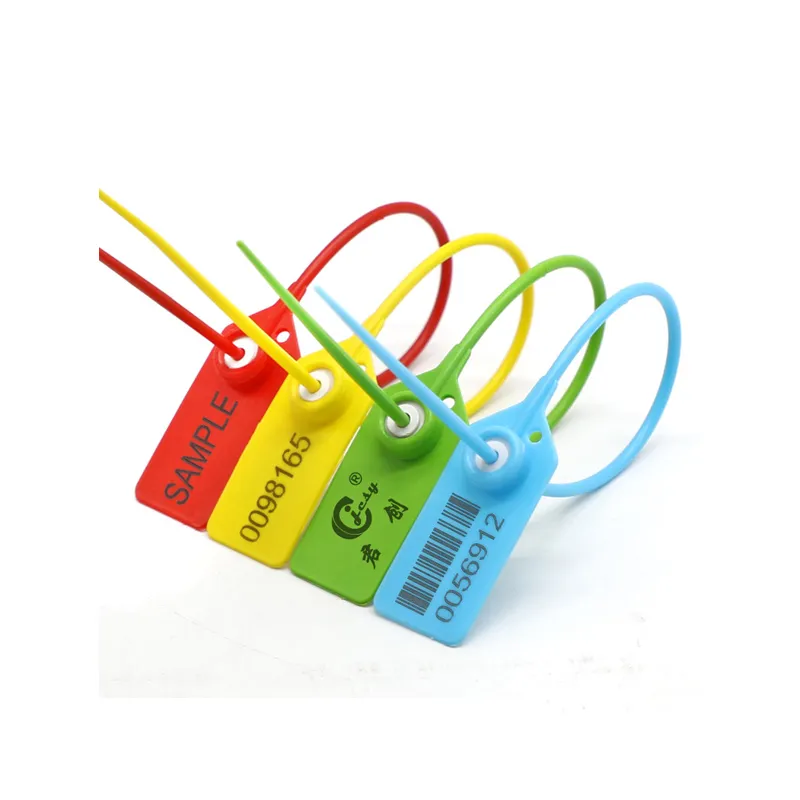
Plastic pull tight seals work for internal totes, return bins, and low value cartons where the goal is to show whether a container was opened. They are low cost and easy to apply, but the locking force is limited, so they do not belong on high value outbound trailers.
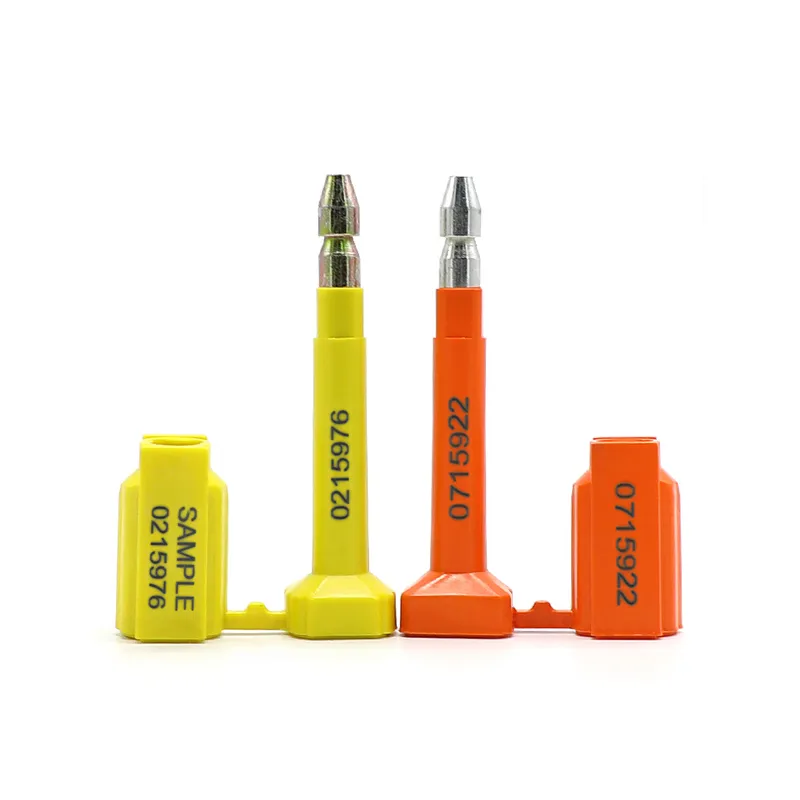
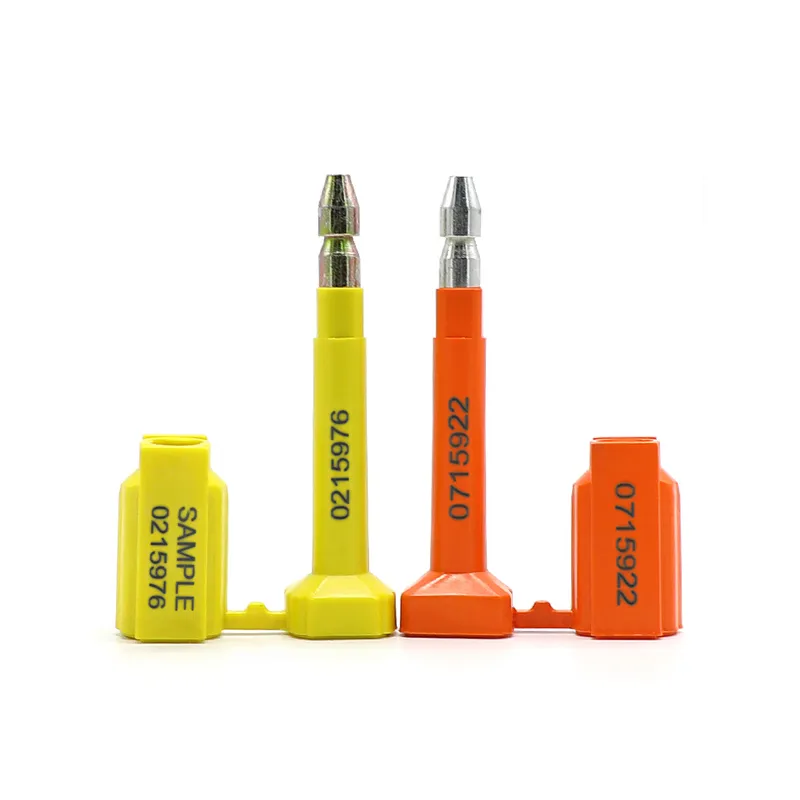
Bolt seals fit container and trailer door latch bars and carry the strongest tamper evidence for cross dock and long haul loads. An ISO 17712 high security bolt seal should resist hand tools and require a bolt cutter for removal.
Cable seals fill the gap between plastic and bolt seals. They handle trailer, drum, and cage applications where the latch geometry is irregular or the operator needs flexibility during installation.
The table below matches common distribution center workflows to a starting seal type. It is a starting point, because door hardware and carrier requirements will shift the final choice.
| Distribution Center Workflow | Recommended Seal Type | Primary Reason |
|---|---|---|
| Dock to dock transfer | Bolt seal | Strong evidence on trailer door |
| Carton or tote sealing | Plastic pull tight seal | Low cost, visible opening |
| Irregular latch or drum | Cable seal | Adjustable fit |
| High value cage | Cable or bolt seal | Tamper evidence with higher strength |
| Meter or utility access | Meter seal | Compact, serialized evidence |
Inspection and Handling Requirements for Distribution Center Seals
Receiving is where most seal failures should be caught, but time pressure pushes clerks to glance at the number and sign. A distribution center seal inspection has to be a physical check, not a paperwork check.
Compare the seal number on the trailer or container against the shipping record before the driver leaves the dock. A mismatch means the carrier may have opened the load, or the wrong seal was applied at origin. Pull on the locking body to confirm it is seated. Look for signs that are easy to miss: stretched plastic, fresh scratches on a bolt pin, discoloration from heat, or a number that has been partially removed.
I have rejected seals that looked intact on the door but showed fine scoring around the locking collar. The scoring only appeared after the seal was rotated, which meant someone had backed the pin out and put it back in. In distribution center terms, that is the difference between accepting a theft and documenting an attempt.
If your distribution center handles high value loads or cross dock transfers where the seal record is used for carrier acceptance, send your door hardware list and current seal markings to [email protected] and we will confirm the required ISO 17712 marking and sequential numbering format before you finalize the order.
Seal Control Data for Loss and Dispute Prevention
A seal is only as useful as the record behind it. Distribution centers that skip serial number recording often find out after a claim has already been denied.
Sequential numbering should be required on every seal order. If the distribution center uses a barcode scanner at the dock, the seal tag should carry a barcode that the WMS can read without a second transcription step. For centers that still log seals manually, a short number with high contrast is easier to record than a long random string.
Color coding adds another layer of control, but it should not replace serialization. A blue seal may mean outbound, red may mean high value quarantine, and yellow may mean returns. The color tells the team which flow the load belongs to. The serial number tells them which specific seal was used.
One practice that prevents confusion is to keep a seal application log with the trailer number, door number, seal number, and the initials of the associate who applied it. That log does not need to be complex, but it needs to be completed at the door and not later from memory.
A Seal Supplier for Distribution Center Sealing Programs
Most distribution center seal problems are not solved by buying a more expensive seal. They are solved by selecting the right seal type, printing the right data, and writing a process that people can follow at the dock. A dependable supplier should be able to review those requirements with you before you commit to large quantities.
Shandong Qingyun Junchuang Lock Industrial Co., Ltd. manufactures plastic seals, cable seals, bolt seals, meter seals, and metal strap seals for distribution and logistics programs. Send your part number, estimated monthly quantities, and any barcode or numbering needs to [email protected]. You can also call or message us on WhatsApp at +86 13853189290 and we will confirm stock and sample availability for your review.
Common Questions About Seal Use in Distribution Centers
How many seals should a distribution center keep in stock?
Keep at least two weeks of consumption on hand, plus a safety buffer for one full outbound day. The exact number depends on daily door activity and order frequency. If your operation runs 40 outbound trailers per day, that is 200 trailers per week, and a two week supply is 400 bolt seals before buffer. Plastic seals used for totes and returns will turn faster, so order those in higher multiples. Reorder when stock drops below the two week line, not when the last box opens, because a stockout at the door can stop a release even when the product is ready.
Which seal type is best for distribution center trailers and dock doors?
Many buyers assume a thicker seal always means better security. That is not how distribution center trailers work. A high security bolt seal is the standard for trailer doors and cross dock moves because it locks the latch and requires visual inspection of the pin and body. A cable seal is better when the latch geometry is irregular or the operator needs an adjustable loop. Plastic seals do not belong on high value trailer doors; they tear too easily and do not hold up to carrier handling. Match the seal to the door hardware, not just the cargo value.
Can distribution centers reuse security seals?
It depends on the seal type and the audit trail. Disposable plastic seals and bolt seals must not be reused. Once the locking mechanism has been engaged and cut, the body and pin lose their evidence value. Reusable seals exist in some meter and internal cage programs, but they only work when both ends of the handoff are controlled by the same team. In a distribution center with outside carriers, reuse creates a serious record problem because the seal number will not match the original shipment. For most outbound and receiving flows, treat every seal as single use.
What information should be printed on seals for distribution centers?
The printing question is really a data capture question. At minimum, put a sequential number on each seal. If the dock team uses scanners, add a barcode or QR code next to the number. Company name, logo, and color coding are useful but secondary. The point that matters most is legibility after the seal has been handled in rain, dirt, and temperature changes. We normally recommend high contrast printing, large numbering on bolt seals, and laser marking when the seal will be exposed to solvents or outdoor weather. Send your distribution center’s scanning method to us at [email protected] and we can confirm which marking format fits your WMS before you commit to a full order.
If you’re interested, check out these related articles:
What is an Animal Ear Tag: Essential Livestock Identification Systems – Junchuang Lock
Comprehensive Quality Inspection Checklist for Security Seals – Junchuang Lock
Disposable or Reusable Bolt Seals: Strategic Cargo Security – Junchuang Lock
Wholesale Cable Seals for Logistics: Enhancing Supply Chain Security – Junchuang Lock