
Importing security seals from China can transform your supply chain cost structure, but only when you partner directly with a factory that controls its own production. Over fifteen years of manufacturing, I’ve seen too many importers pay a premium to a trading company for seals that were produced in a facility they could never verify. A direct factory relationship gives you control over quality, customization, and per-unit cost. This guide is built on our production floor experience, not just market data — so you can buy with confidence.
Understanding Security Seal Types and Import Regulations
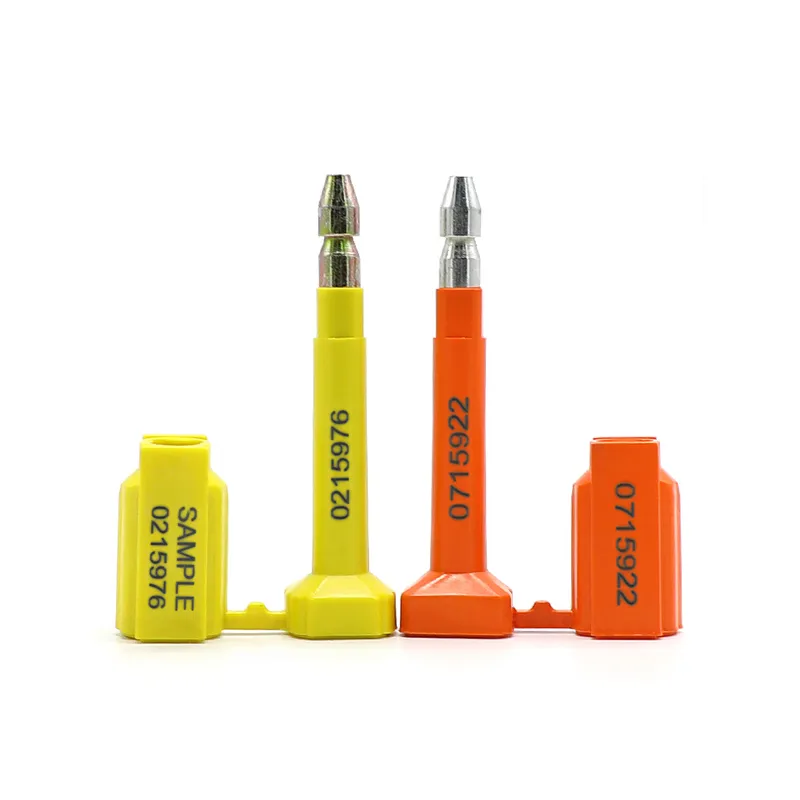
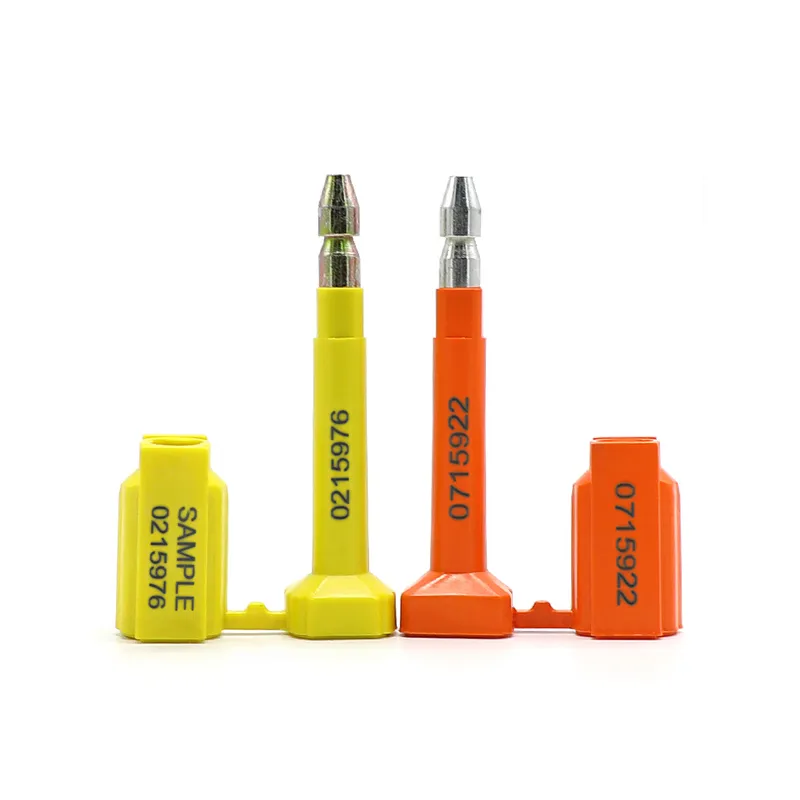
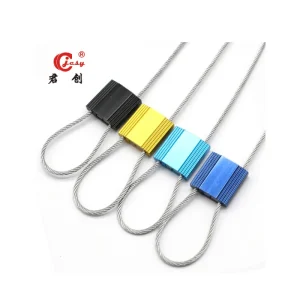
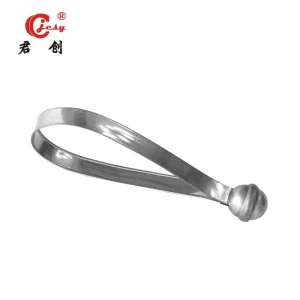
Before placing an order, you need to know what types of seals fit your application and what international standards apply. High-security bolt seals, for example, meet ISO 17712 requirements for container shipping and cross-border freight. Cable seals offer the flexibility needed for tankers and irregular doors. Plastic seals, like pull-tight and padlock styles, suit domestic trucking, meter enclosures, and warehouse carts. The right seal choice depends on tensile strength, tamper-evidence mechanism, and whether the seal must survive sea spray, high heat, or repeated handling. Importing security seals from China allows you to source all these types from a single production partner, but only if that partner actually manufactures them — not just resells.
| Seal Type | Typical Tensile Strength | Primary Use Cases |
|---|---|---|
| Bolt seal | 10–18 kN | Container doors, cross-border freight |
| Cable seal | 3–7 kN | Tankers, rail cars, irregular closures |
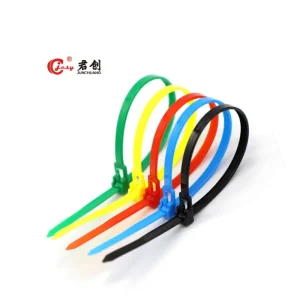
| Pull-tight plastic seal | 0.5–2 kN | Truck doors, bags, utility meters |
| Metal strap seal | 2–5 kN | Cargo nets, drums, valves |
Identifying Genuine Manufacturers vs Trading Companies
In procurement meetings, I’ve heard the same frustration: “We paid above market price, and the seals still failed audit.” The root cause is often a trading company selling seals from an unknown third-party workshop. A genuine manufacturer operates its own injection molding lines, metal stamping equipment, and laser marking stations. We at Shandong Junchuang Lock Industry manage the entire production workflow under one roof — from raw material mixing to assembly and serial numbering. This direct control means every batch can be traced back to its production shift, material lot, and operator. Before you commit, ask for a live video walkthrough of the production floor, not just a catalog photo. If a supplier hesitates, they are likely a middleman.
What documents prove a factory is legitimate?
A manufacturer’s business license, export registration certificate, and ISO 17712 compliance test reports are the minimum. But the strongest proof is a live video call that shows their production lines running, with raw material inventory and QC stations visible. A trading company will either refuse or show a warehouse — never an active molding floor.
Conducting a Thorough Factory Audit
When we host potential partners, I walk them through our QC station where every bolt seal undergoes pull testing and dimensional inspection. A meaningful audit examines three areas: material storage conditions, quality control checkpoints, and packaging standards. Check whether the factory uses fresh, traceable plastic resins for injection molding, or if barrels are unlabeled. Inspect the calibration records of tensile test machines — out-of-date calibration means unreliable strength data. And confirm that the packing area has dedicated export preparation, with reinforced cartons and desiccant packs for sea freight. These details separate a factory that builds long-term supply chains from one that simply fills orders.
If your application involves high-value cargo and you need to confirm ISO 17712 test reports, it’s worth emailing us at [email protected] before finalizing your sourcing list.
Managing Orders, Specifications, and Quality Control
Your first order should include a pre-production sample approval step. We typically ask buyers to provide their tamper-evidence requirements and preferred marking type — hot-stamp, laser engraving, or barcode — so we can align production tooling before the first run. Clarify the minimum order quantity upfront. For custom laser-marked bolt seals, MOQs typically start around 2,000 units, while standard plastic pull-tight seals can ship in smaller batches. Per-unit cost is driven by material grade, marking complexity, and order volume. Request a detailed spec sheet that lists the plastic resin type, steel wire diameter for cable seals, and the locking mechanism’s material grade. During production, ask for in-line inspection photos at random intervals — not just a final report. This keeps the factory accountable to your approved sample.
Navigating Shipping Logistics and Customs Clearance
Most Chinese factories quote FOB prices, which means you handle the ocean freight and insurance from the port of departure. We pack our bolt seals in reinforced export cartons with desiccant to prevent moisture damage during sea freight — a detail many trading companies overlook. For customs clearance, prepare the commercial invoice, packing list, bill of lading, and a certificate of origin. If the seals are intended for U.S. C-TPAT or EU AEO programs, confirm with the factory that they can provide the required manufacturer security documentation. Air freight is viable for sample batches, but bulk orders almost always go by sea to keep landed cost under control. Expect lead times of 15 to 25 days for standard orders and up to 35 days for heavily customized production runs.
Partnering with a Direct Factory for Your Import Needs
We understand the risk. That’s why we invite every buyer to request a pre-production sample, review our ISO 17712 test certifications, and conduct a video tour of our facility before any payment. When you’re ready, send your part number and quantity to [email protected] or contact us on WhatsApp at +86 13853189290. We’ll provide a detailed quotation and timeline within 24 hours.
Common Questions About Importing Security Seals from China
Are security seals from China reliable?
Reliability depends entirely on the factory behind the product, not the country. A manufacturer with in-house tooling, material traceability, and an ISO 17712 testing lab can produce seals that match or exceed those from any other region. The key is to verify that the factory performs tensile testing on every batch and retains production records. In programs we’ve supported, implementing an incoming inspection protocol based on the approved pre-production sample has reduced defect rates to under 0.2%.
How can I avoid low-quality products without an on-site visit?
Ask for a live video call that follows one production batch from raw material to finished seal, with the batch number visible. Request third-party lab test reports for tensile strength and tamper-evidence verification against the ISO 17712 standard. I’ve found that suppliers willing to share real-time quality control data are far more consistent than those who only provide glossy catalogs.
What are the typical payment terms when importing from China?
Most direct factories request a 30% deposit by T/T before production starts, with the 70% balance paid against the copy of the bill of lading or after a final inspection report. Some manufacturers also accept irrevocable letters of credit for larger orders. Avoid suppliers demanding 100% prepayment without a documented production timeline; that pattern often signals a trading company.
Do I need to visit the factory in person?
It depends on your order scale and risk tolerance. For a first-time order over $10,000, an in-person visit gives you the clearest picture of production capability and quality culture. For smaller trial orders, a detailed video tour and random sample testing at a third-party lab can provide sufficient verification until the relationship matures. Send your requirements to [email protected] and we’ll help you determine the right verification approach for your program.
If you’re interested, check out these related articles:
Fixed Length vs Adjustable Seals: Choosing Optimal Security – Junchuang Lock
Security Seal Materials: Selection for Tamper Evidence – Junchuang Lock
Bulk Bolt Seal Orders MOQ and Pricing Strategies – Junchuang Lock
Metal vs Plastic Cable Ties: Selecting the Right Industrial Fastener – Junchuang Lock
UV Resistant Cable Tie Selection: Ensuring Outdoor Durability – Junchuang Lock