
Picking the right cable tie sounds simple until you’re standing in front of a failed bundle in a chemical plant or watching UV-degraded nylon crumble after six months outdoors. The choice between metal and plastic cable ties shapes everything from maintenance schedules to safety margins, and getting it wrong costs more than just replacement parts. What follows breaks down the material science, real-world performance, and cost math behind each option so you can match the fastener to the job instead of guessing.
Material Properties That Drive Performance
The gap between metal and plastic cable ties starts at the molecular level. Stainless Steel Cable Tie products use alloys engineered for tensile strength and environmental resistance. The chromium content forms a passive oxide layer that self-heals when scratched, which explains why stainless steel holds up in corrosive settings where other metals pit and fail. Depending on the grade, these ties handle temperatures from cryogenic ranges up to around 500°C before mechanical properties start to degrade.
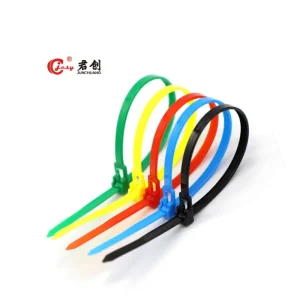
Nylon Cable Tie products work from a completely different playbook. Nylon 6/6, the most common formulation, offers flexibility that metal simply cannot match. You can route these ties through tight spaces, cinch them by hand, and cut them with basic tools. The tradeoff shows up in load capacity and environmental limits. Nylon absorbs moisture, which affects dimensional stability, and standard formulations break down under sustained UV exposure.
| Feature | Stainless Steel Cable Ties | Nylon Cable Ties |
|---|---|---|
| Tensile Strength | High | Moderate |
| Melting Point | Very High (approx. 1400°C) | Low (approx. 250°C) |
| Density | High | Low |
| Conductivity | Conductive | Non-conductive |
| Flexibility | Low | High |
The conductivity difference matters more than most spec sheets suggest. In electrical panels, a conductive tie touching the wrong terminal creates a fault path. In grounding applications, that same conductivity becomes an asset. Material selection always circles back to context.
How Harsh Conditions Separate Winners from Failures
Industrial environments test fasteners in ways that controlled lab settings never capture. Vibration, thermal cycling, chemical splash, and UV bombardment all attack cable ties simultaneously. Metal cable ties built from marine-grade stainless steel resist chloride-induced stress corrosion cracking, which is why offshore platforms and coastal facilities specify them despite the higher unit cost. The alloy composition matters here. 316 stainless outperforms 304 in saltwater environments because molybdenum content improves pitting resistance.
UV resistant cable ties made from stabilized nylon extend outdoor service life, but the stabilizers eventually deplete. After two to three years of direct sun exposure in southern latitudes, even UV-rated plastic ties show surface crazing and reduced break strength. Metal ties face no equivalent degradation mechanism from sunlight.
Temperature swings create their own problems. Nylon becomes brittle below -40°C and softens above 85°C. Stainless steel maintains consistent mechanical properties across a range that covers most industrial scenarios. Fire behavior adds another layer. Plastic ties melt, drip, and can propagate flame. Stainless steel stays in place and does not contribute fuel to a fire event. For heavy duty cable ties in process plants or engine compartments, this distinction often drives the specification.
What are the primary advantages of metal cable ties over plastic in harsh environments?
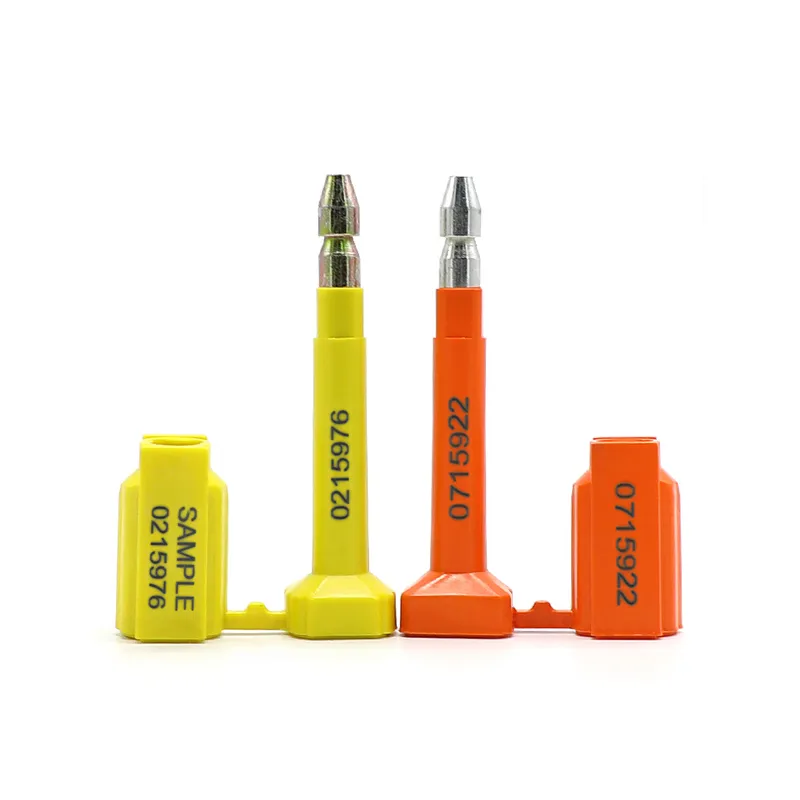
Metal cable ties deliver three core advantages when conditions turn hostile. First, corrosion resistance keeps them functional in marine, chemical, and food processing environments where moisture and aggressive substances attack polymer chains. Second, temperature stability means the tie performs the same at -80°C as it does at 400°C, which matters in exhaust systems, furnaces, and cryogenic piping. Third, vibration and impact resistance prevent loosening under dynamic loads. Plastic ties can creep and relax over time; metal ties maintain clamping force. For applications requiring high security bolt seals or sustained performance in extreme temperatures, metal remains the reliable choice.
Matching the Tie to the Task
Application context determines which material makes sense. Nylon Cable Tie products dominate in electrical work because they insulate rather than conduct. Bundling data cables, organizing wiring harnesses in control panels, and securing low-voltage runs all favor plastic. The flexibility allows tight bends without kinking, and the smooth surface avoids jacket abrasion.
Stainless Steel Cable Tie products earn their place where strength and longevity outweigh convenience. Securing exhaust wrap on heavy equipment, fastening signage to outdoor structures, and bundling hydraulic lines in mining machinery all demand metal. The construction industry uses them to strap rebar before concrete pours. The automotive industry relies on them in underhood applications where heat and vibration would destroy plastic alternatives.
Tamper evidence introduces another selection factor. A metal strap seal or high-security bolt seal provides visible evidence of interference that plastic ties cannot match. For cargo containers, utility meters, and pharmaceutical logistics, this security function justifies the material choice independent of environmental factors.
For more information on securing various utility and measurement devices, consider exploring our detailed guide on meter and lead seals. 《Meter & Lead Seals: Essential Security for Utility and Measurement Devices》
Running the Numbers on Total Cost
Unit price tells only part of the story. Plastic cable ties cost pennies each, which makes them attractive for high-volume, short-term applications. Installation goes fast because no tools are required beyond a flush cutter. Labor savings compound when technicians install hundreds of ties per shift.
Metal cable ties carry a higher purchase price and require tensioning tools for proper installation. The upfront investment looks steep until you factor in replacement cycles. A plastic tie that fails after eighteen months in an outdoor application costs more than just the replacement part. It costs the labor to access the installation, the downtime while the repair happens, and the risk exposure during the failure window.
| Factor | Plastic Cable Ties | Metal Cable Ties |
|---|---|---|
| Initial Cost | Low | High |
| Installation Time | Fast | Moderate |
| Lifespan | Shorter | Longer |
| Replacement Frequency | Higher | Lower |
| Lifecycle Cost | Variable | Generally Lower |
For critical infrastructure, the lifecycle cost calculation almost always favors metal. For temporary bundling during assembly or packaging operations, plastic delivers better economics. The decision hinges on how long the tie needs to last and what happens if it fails.
When is it more cost-effective to use plastic cable ties instead of metal?
Plastic cable ties win the cost argument in three scenarios. First, temporary applications where the tie gets cut off within days or weeks make the durability advantage of metal irrelevant. Second, high-volume indoor installations with controlled environments face minimal degradation, so the longer lifespan of metal provides no practical benefit. Third, budget-constrained projects with low consequence of failure can accept the replacement frequency that comes with plastic. When the tie bundles cables in a climate-controlled server room, spending extra for stainless steel adds cost without adding value.
Quality Standards That Separate Reliable Products from Risky Ones
Not all cable ties carrying the same material designation perform equally. Manufacturing quality determines whether a stainless steel tie actually delivers the corrosion resistance its alloy composition promises. Surface finish, edge treatment, and locking mechanism precision all affect real-world performance. A rough edge on a metal tie can abrade cable jackets. A poorly formed ball-lock can slip under load.
Reputable manufacturers maintain quality control systems that catch defects before shipment. ISO certifications provide independent verification that processes meet documented standards. For custom cable ties designed to specific dimensions or load requirements, the manufacturer’s engineering capability matters as much as their production equipment.
Working with an experienced cable seal manufacturer like Shandong Junchuang Lock Industry Co., Ltd. means access to products tested against the conditions they will actually face. Our integrated design and production capabilities ensure that every tie, from standard nylon bundles to specialized high security bolt seals, meets the performance claims on the specification sheet.
How do UV radiation and extreme temperatures affect the lifespan of different cable tie materials?
UV radiation breaks polymer chains in nylon, causing surface embrittlement that propagates into structural failure. The degradation accelerates with intensity and duration of exposure. Stabilizer additives slow the process but do not stop it. After extended outdoor service, UV-damaged ties snap under loads they handled easily when new.
Temperature extremes attack plastic through different mechanisms. Cold makes nylon rigid and crack-prone. Heat softens the material and allows creep under sustained tension. Thermal cycling between hot and cold accelerates fatigue by repeatedly stressing the polymer structure.
Metal ties sidestep both problems. Stainless steel does not absorb UV energy in ways that affect mechanical properties. Its thermal expansion coefficient is low enough that cycling between temperature extremes causes negligible dimensional change. The practical result is predictable performance across conditions that would destroy plastic alternatives within months.
Partner with Shandong Junchuang for Superior Fastening Solutions
For expert guidance on selecting the optimal cable tie solutions for your specific industrial needs, trust Shandong Province Qingyun County Junchuang Lock Industrial Co., Ltd. With our integrated design, development, and production capabilities, we ensure high-quality, reliable fastening and sealing products. Contact us today for a consultation or to explore our extensive range of lead seals, plastic seals, cable seals, and high security bolt seals. Mobile: +86 13853189290 | Email: [email protected] | Whatsapp: +86 13853189290
What are the key differences in tensile strength between metal and plastic cable ties?
Stainless steel cable ties typically deliver tensile strength ratings two to five times higher than equivalent-width nylon ties. A standard 4.6mm wide stainless tie might rate at 450 N or more, while a comparable nylon tie rates around 180 N. This gap widens further under elevated temperatures, where nylon loses strength while steel maintains it. For heavy bundling or applications with dynamic loads, the strength margin of metal provides a safety factor that plastic cannot match.
Can plastic cable ties be used for outdoor applications, or are metal ties always better?
UV-stabilized plastic ties work for outdoor applications with limited service life expectations. If the installation will be replaced within two to three years, or if it faces only intermittent sun exposure, stabilized nylon offers acceptable performance at lower cost. Metal ties become the better choice when the installation must last a decade or more, when replacement access is difficult, or when the environment combines UV with other stressors like salt spray or chemical exposure. The question is not which material is universally better, but which material fits the specific conditions and service life requirements.
How do I choose the correct cable tie material for electrical insulation purposes?
Nylon cable ties provide inherent electrical insulation because the polymer does not conduct current. For bundling within electrical panels, routing cables near terminals, or any application where accidental contact with live conductors is possible, nylon is the safer choice. Metal ties require additional precautions. If metal ties must be used near electrical components, insulated versions with coated bands reduce the risk of short circuits. Always verify that the installation complies with applicable electrical codes, which often specify non-conductive fasteners within certain distances of energized parts.