
Color coding security seals started as a simple organizational tool, but it has evolved into something far more strategic. When you see a red seal on a container versus a green one, that split-second recognition saves time, reduces errors, and creates a visual audit trail that paper systems simply cannot match. The approach works because it taps into how humans naturally process information — color registers faster than text, and that speed matters when thousands of shipments move through a facility each day.
Why Color-Coded Security Seals Matter for Logistics Operations
Color-coded security seals deliver real operational value beyond basic organization. The immediate visual differentiation allows warehouse staff and inspectors to identify authorized shipments, specific routes, or transit stages without scanning barcodes or checking manifests. In large-scale operations, standardized color coding has been shown to reduce misidentification errors by up to 40%. That reduction translates directly into fewer misdirected shipments, faster processing times, and stronger overall logistics security.
The tamper evidence aspect deserves attention too. When every shipment category has an assigned color, any unauthorized seal replacement becomes obvious. Someone cannot simply swap a broken seal with whatever happens to be available — the wrong color immediately flags the discrepancy. This visual consistency supports seal integrity across the entire supply chain and gives receiving personnel a quick verification method before they even touch the shipment.
What Different Security Seal Colors Actually Mean
No universal standard dictates what each color must represent, but certain conventions have emerged across industries. Red typically signals high security requirements or situations needing immediate attention. Blue often appears on customs seals and international shipments. Green frequently indicates internal use, inspected status, or cleared goods — useful for warehouse security protocols where items need quick visual sorting.
These associations developed organically through industry practice rather than formal regulation. The practical result is that experienced logistics personnel can often interpret seal colors even when encountering unfamiliar systems, because the underlying logic tends to follow similar patterns.
| Color | Common Meaning / Application | Industries |
|---|---|---|
| Red | High Security, Urgent, Tampered | Shipping, Customs, High-Value Goods |
| Blue | International Transit, Customs, Approved | Global Logistics, Customs Agencies |
| Green | Internal Use, Inspected, Cleared | Warehousing, Manufacturing, Retail |
| Yellow | Quarantine, Hold, Specific Route | Agriculture, Pharmaceuticals, Specific Routes |
| White | General Purpose, Neutral, New Stock | Various, General Inventory |
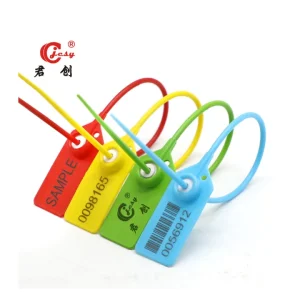
Container seals and truck seals benefit particularly from this system because they often pass through multiple handling points where quick identification prevents delays. Lead seals, plastic seals, and cable seals can all be manufactured in specific colors to match whatever coding system an organization adopts.
Building a Color Coding System That Meets Compliance Requirements
A color coding system only works if it is applied consistently across every operational touchpoint. This means documenting which colors correspond to which categories, training all relevant personnel, and auditing compliance regularly. The documentation piece matters for regulatory compliance — auditors want to see clear guidelines, not informal practices that vary by shift or location.
For organizations involved in global trade, aligning internal color coding with international standards makes sense. ISO 17712 governs high security bolt seals and specifies physical requirements for tamper resistance. While ISO 17712 does not mandate specific colors, using a color system that complements these standards creates a coherent security framework. The seals meet the physical security requirements, and the colors add an organizational layer that supports audit trails and risk mitigation.
Shandong Junchuang Lock Industry Co., Ltd produces seals that comply with these industry standards, ensuring both the physical security properties and the customization options needed for effective color coding systems.
What do different security seal colors signify in logistics?
Different security seal colors signify various statuses or categories in logistics. A red seal might indicate a high-value shipment or a “tampered” status requiring immediate inspection. A green seal could signify an “inspected” or “cleared” status, allowing smooth progression through the supply chain. These visual cues enhance logistics security and improve supply chain visibility by providing clear seal application guidelines for personnel.
Are there international standards for security seal color usage?
No explicit international standards dictate specific color meanings for all security seals. ISO standards like ISO 17712 for high security seals focus on physical properties and tamper-evident features rather than color assignments. Many organizations adopt internal color coding systems that align with general industry practices to ensure regulatory compliance and facilitate global trade, but the specific color meanings remain organization-dependent.
For more detailed information on securing your utility and measurement devices, consider reading 《Meter Lead Seals: Essential Security for Utility and Measurement Devices》.
Matching Seal Technology to Color Coding Strategies
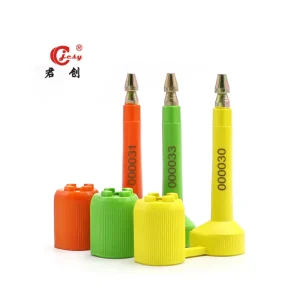
Color coding becomes more powerful when paired with the right seal type for each application. High security bolt seals work well for intermodal containers where the seal must withstand significant force and environmental exposure — the color coding then differentiates between shipping routes or security levels without requiring personnel to read serial numbers at a distance.
Plastic seals suit general cargo, drums, and totes where flexibility and cost matter. Cable seals handle irregular closures and truck doors where rigid seals would not fit properly. Each seal type accepts color customization, allowing organizations to maintain consistent coding across different physical applications.
| Seal Type | Color Coding Suitability | Primary Benefit |
|---|---|---|
| High Security Bolt Seal | Excellent | High-value cargo, Intermodal containers |
| Plastic Seal | Excellent | General cargo, drums, totes |
| Cable Seal | Excellent | Irregular closures, truck doors |
| Meter Seal | Good | Utility meters, calibration points |
| Metal Strap Seal | Good | Drums, railcars, general purpose |
The product authentication angle is worth noting. A company using a unique color for a specific product line creates an additional barrier against counterfeiting. Unauthorized substitutions become detectable not just through serial number verification but through the immediate visual mismatch.
Managing the Practical Challenges of Color-Coded Systems
Color coding systems can fail in several predictable ways, and understanding these failure modes helps prevent them. Quality control during manufacturing must ensure consistent color accuracy across batches — a seal that is supposed to be red but comes out orange creates confusion rather than clarity.
Environmental degradation poses another challenge. UV exposure fades colors over time, which can compromise visual identification for seals that remain in place for extended periods. This problem requires either using UV-resistant pigments or establishing replacement schedules for long-term applications.
Human factors matter too. Staff training on color coding protocols reduces errors during application and inspection. Without training, personnel may not understand what the colors mean or may apply seals inconsistently. Inventory management also requires attention — storing different colored seals separately and controlling access prevents both accidental misuse and intentional circumvention.
The seals we manufacture use materials selected for durability and color retention, addressing these practical concerns from the production side.
Where Color Coding Technology Is Heading
The trajectory points toward integration between physical color codes and digital tracking systems. A color-coded seal embedded with an RFID chip could update its status in a blockchain ledger the moment it is scanned. The color provides the immediate visual verification, while the digital layer creates an immutable record accessible to all supply chain participants.
This combination addresses a limitation of color coding alone — colors tell you what category something belongs to, but they do not tell you where it has been or who handled it. Digital integration fills that gap while preserving the speed advantage of visual identification. Real-time supply chain visibility becomes possible without sacrificing the practical benefits that made color coding useful in the first place.
Working with Shandong Junchuang Lock Industry Co., Ltd
Shandong Junchuang Lock Industry Co., Ltd manufactures a full range of security seals suitable for color coding implementation. Our product line includes lead seals, Plastic Seals, Cable Seals, Meter Seals, Metal Strap Seals, and high security bolt seals. Each product can be customized with specific colors and markings to match your operational requirements.
Contact us to discuss how color coding can strengthen your sealing strategy. Email: [email protected], Mobile: +86 13853189290.
Frequently Asked Questions About Security Seal Color Coding
How can color coding improve my company’s inventory control?
Color coding provides quick visual identification of stock categories, dates, or destinations. Instead of checking labels or scanning barcodes for every item, personnel can sort and route inventory based on color at a glance. This speeds up asset tracking, reduces manual verification time, and makes discrepancies more obvious during physical counts or audits.
What are the benefits of color-coded security seals for tamper detection?
The primary benefit is immediate visual verification. When every shipment category has an assigned color, any seal replacement with the wrong color signals a potential breach before anyone examines the seal closely. This quick detection supports seal integrity verification and enables faster response to tampering incidents, strengthening overall risk mitigation.
Can Shandong Junchuang customize security seals with specific color codes?
Yes. We manufacture plastic seals, cable seals, high security bolt seals, and other seal types with custom color specifications. The customization extends to markings and serial number formats as well, allowing organizations to implement comprehensive color coding systems that integrate with their existing operational protocols.