
Port operations move cargo across several custody points in one shift, and each handoff needs a seal that shows whether the load has stayed closed. Seal use in port operations is not a gate formality. It controls how quickly customs accepts a container, which party owns a tamper event, and how cleanly responsibility moves between vessel, terminal, and trucker. A well specified seal creates a serialized break that cannot be restored once cut. A poorly specified one produces disputes at the gate, delays cargo release, and leaves the port with liability questions. The sections below explain what port teams should specify, inspect, and correct when using security seals across container, gate, and vessel workflows.
Why Port Operations Need a Defined Seal Protocol
Container doors are latched, but a latched door can be opened and closed again without visible damage. A security seal changes that condition because the applied number is recorded on the bill of lading, gate pass, or terminal operating system before the unit leaves the first control point. When the unit arrives at the next point, the receiver checks that the number still matches and that the body is uncut. That check happens in seconds, but it is part of a longer legal chain. If the number differs, everyone stops and the event is documented before the load moves further.
I have seen port disputes begin with a seal that was already broken at the gate but had no recorded inspection time. A defined protocol solves this. The terminal or shipper should record the seal number at application, photograph the fitted position, and write the same number into the manifest. The gate team then verifies the number before tapping the container off the vessel, not after it sits in the yard.
Port operations also have to state who may remove a seal. Customs, inspectors, and terminal staff all have legitimate reasons to cut one, but every removal must produce a new seal and a new manifest entry. Without that rule, a cut seal means nothing because too many people had access.
ISO 17712 High Security Seals Keep Port Cargo Accountable
ISO 17712 divides barrier seals into classes by tested resistance: indicative, security, and high security. For port cargo on international routes, the requirement in my production work has been consistent. Any seal applied to a container or tanker that crosses a border should be high security, marked with the manufacturer identifier and seal number, and delivered with independent test evidence.
A high security seal earns its classification from pull, shear, bending, and impact testing, not from the shape of the locking chamber. The important point for port teams is that the certification refers to the tested construction. A copied body without the same material and heat treatment will not behave like the certified unit.
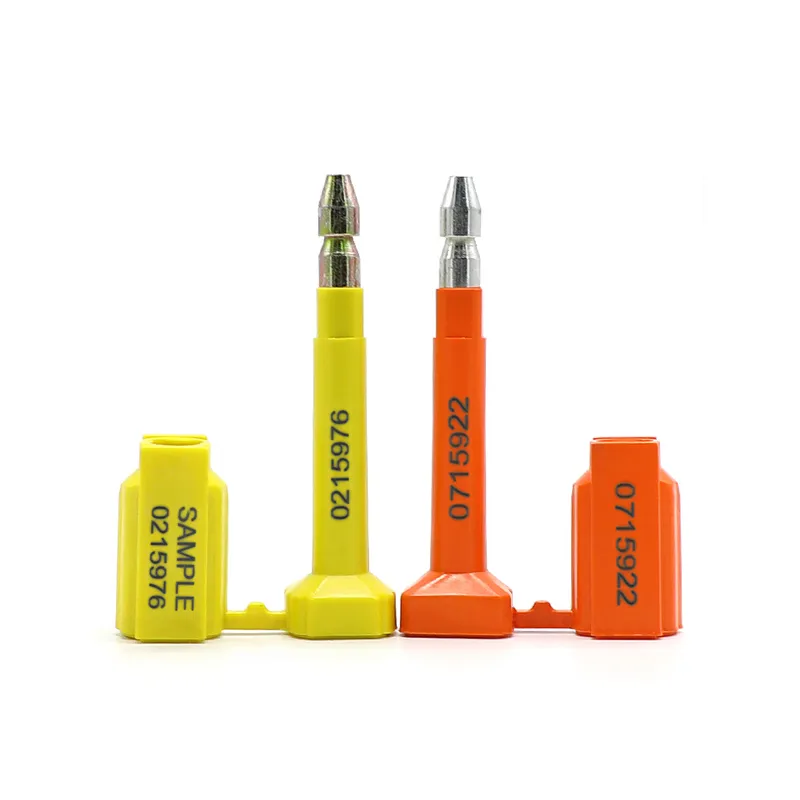
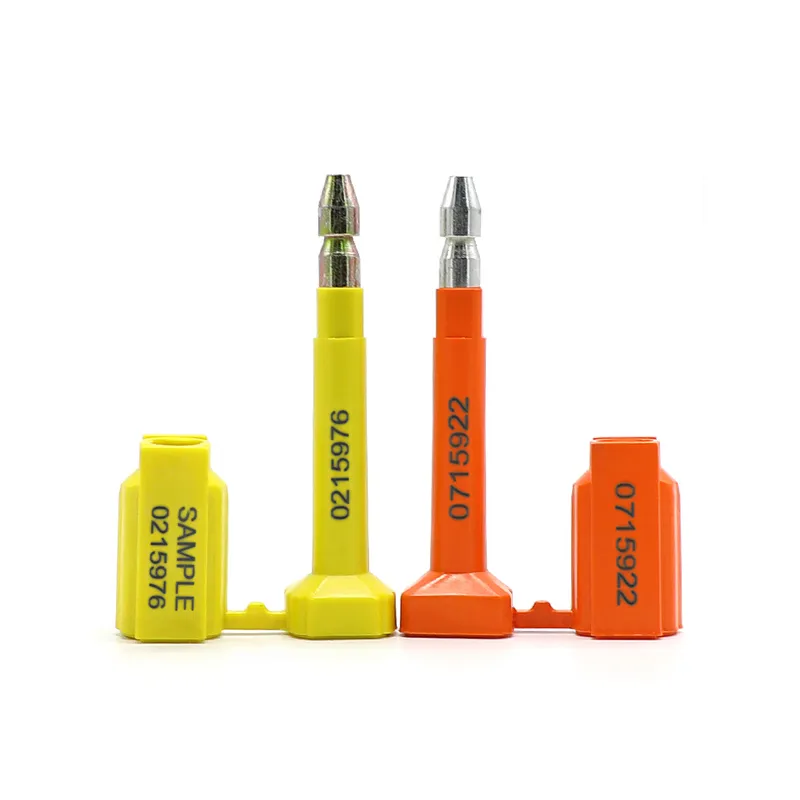
High security bolt seals are the standard choice for container doors because they are single use and require a bolt cutter for removal. High security cable seals work where the application point needs adjustable length, such as tanker hatches or valve loops. Both types can meet ISO 17712 when the manufacturer controls diameter, material, and the false locking condition. In port inspection work, I look for printed marking depth before the gate process. Lightly printed markings disappear after handling and make reconciliation impossible.
Matching Seal Types to Port Gate and Vessel Workflows
Matching seal types to port gate and vessel workflows comes down to how the seal is fitted, how it is cut, and how easy a tamper would be to hide. Container doors need a bolt seal. Tanker and valve applications need a cable seal. Lower risk access points, such as a truck door moving within the port, may take a plastic padlock seal or a metal strap seal where the load is backed by a gate count and a short dwell time.
| Seal type | Typical port application | Security level to confirm |
| Bolt seal | Container doors and cross border loads | ISO 17712 high security |
| Cable seal | Tanker hatches, valve handles, variable apertures | ISO 17712 high security or security class |
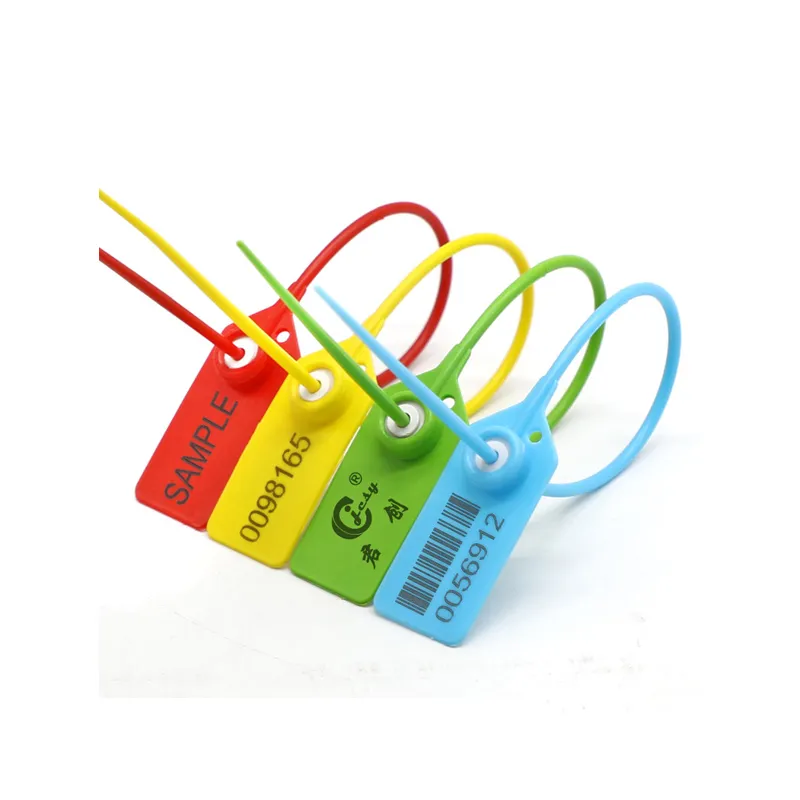
| Plastic padlock seal | Truck trailer doors and gate checks inside the port | Visual security, serialized |
| Metal strap seal | Rail and valve access with narrow apertures | Security class with serialized marking |
Plastic seals are common at port gates, but I do not recommend them for container doors moving to sea. The barrel and strap can be cut cleanly, and with several units in a lane it is too easy to hide a replacement. They work well when the seal is backed by a driver check and a short trip, not when the unit sits in a yard for days.
If your port handles mixed container and tanker traffic, it is worth confirming the exact aperture diameter and fitted length before the bill of materials goes out. Send the seal type, aperture, and quantity to [email protected] and we will confirm the variant before you order.
How to Inspect Port Seals Before and After Transit
Inspection at the gate should happen the same way every time, with the manifest number in view and the seal in hand. Start with the number. Read it against the document before touching the body. Then flex the cable or test the bolt head. After that, look at the locking chamber and the strap entry point. A high security bolt seal should not slide back onto the barrel after removal, and a cable seal should not show stretched or flattened strands where it was pulled against the hasp.
I have found cable seals with clean side cuts that did not show in a flat photograph. Only when the cable was bent did the cut open and reveal the inner strands. That is why still photos are not enough for port inspection. The inspector has to rotate the cable, pull the locking cap, and record a short video where the number is visible.
If the seal fails the number check or body check, stop the movement. Replace the seal only after the event is logged and a new number is written into the manifest. A smooth port does not rush this step. It treats the seal as a one time witness, not a reusable latch.
Seal Specification Decisions Worth Confirming
Most port seal delays I see come from a gap between the procurement description and the actual application. A purchasing team orders a high security seal but does not confirm the cable diameter against the tanker hasp. A terminal orders a bolt seal but the printed number sequence duplicates a previous batch. These are not failures of the seal material. They are failures of specification.
Before you commit to a bulk order, confirm three details with the manufacturer: the seal type and aperture size, the serialized marking format, and the independent test documentation for ISO 17712 high security where the route requires it. At our factory, we confirm these against the loading process before production, which prevents the gate mismatch that appears two months later.
If your port operation is standardizing seal use across container, tanker, or gate workflows, send your fitted seal type, aperture or length, marking requirements, and order quantity to [email protected]. You can also call or WhatsApp +86 13853189290 to have a sample checked against your specific port gate and manifest process.
Common Questions About Seal Use in Port Operations
What is the difference between indicative and high security port seals?
The difference is verified resistance. An indicative seal shows that tampering may have happened, but it can often be cut with simple tools. A high security seal must pass ISO 17712 tests for pull, shear, bending, and impact, and it normally requires a heavy cutter for removal. For cross border port cargo, I recommend high security only. Indicative seals still work for internal yard moves and empty trailer checks, but they should never be the only device on a container crossing a border.
Can plastic seals be used on port containers?
A plastic seal on a container door looks convenient, but it is the wrong placement for international port cargo. The body can be cut and replaced without leaving marks that survive yard handling. Plastic seals are acceptable for short internal movements, gate checks inside the port, and low risk trailer doors, provided the seal number is recorded and the driver checks at handoff. For any unit leaving the terminal, use a high security bolt or cable seal so the seal’s physical resistance matches the length of the custody chain.
Does the seal number need to match the bill of lading every time?
That depends on who applies the seal and when the document is issued. If the shipper seals the container before the bill of lading is cut, the loaded container should carry that exact number on the document. If a terminal, carrier, or customs authority replaces the seal later, the new number must be recorded as a replacement before the unit moves. The rule is simple: no document should carry a number the container does not wear, and no container should leave the gate with a replacement that was not written down.
How many spare seals should a port shift keep on hand?
In port and dispatch operations I have supported, keeping a sealed box at each gate lane prevents manifest mismatches and reduces the chance that staff reuse a removed seal. Based on that experience, I suggest one spare box of each active type per shift, plus a reserve stock for inspection cuts and customs replacements. The exact number follows gate volume, but having too few is more dangerous than holding a reasonable buffer. Send your gate volume and current seal types to [email protected] and we will confirm a practical mix and serialization plan before ordering.
If you’re interested, check out these related articles:
Cable Seal OEM & Custom Manufacturing: Your Security Solution – Junchuang Lock
Plastic Seal Supplier Evaluation: A Strategic Checklist – Junchuang Lock
ISO 17712 Bolt Seals: Essential Buying Guide for Security – Junchuang Lock