
Bulk meter seal procurement should begin with the meter application, not the quotation. Utility buyers who verify material, marking, and sample retention before order confirmation avoid most of the field returns that cheap lots create. We apply the same approach in our factory: first-article approval, cavity-level traceability, and batch labels accompany every export order. After fifteen years in meter seal production, we have learned that a seal which cannot be read after six months outdoors costs more than the quote difference it was meant to save.
What Should Bulk Meter Seal Procurement Start With?
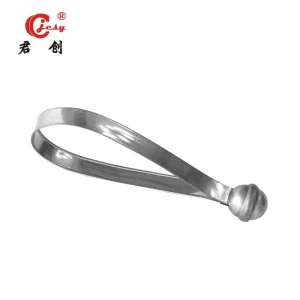
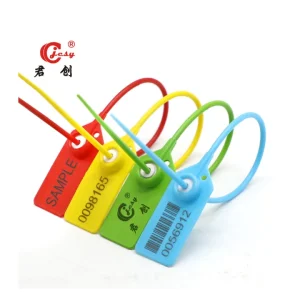
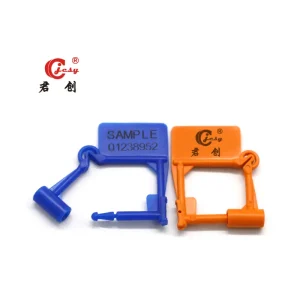
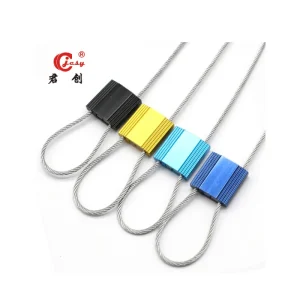
The first question is not how many pieces or how low the unit price will go. It is what the utility worker must do at the meter. A pull-tight plastic seal works where visual inspection matters. A wire seal fits meters with small hasps. A metal strap seal suits high-abuse outdoor enclosures. A padlock style plastic seal gives stronger locking and clearer audit numbering for industrial meters.
| Meter Environment | Common Seal Formats | Main Requirement |
|---|---|---|
| Electric meter | Plastic padlock seal, wire seal | Audit numbering, visual tamper evidence |
| Water meter | Lead seal, plastic seal, wire seal | Moisture resistance, permanent marking |
| Gas meter | Plastic security lock, metal strap seal | Heat and chemical resistance |
| Outdoor utility box | Metal strap seal, cable seal | UV resistance, adjustable fit |
Once the format is fixed, the next data point is the marking file. The serial number, barcode, or logo must remain legible through installation and inspection. We have seen orders where the marking was readable on the sample but not after hot-stamping on a curved surface. For bulk meter seal procurement, that is the kind of mismatch that turns a simple order into a warehouse rejection.
Which Materials Hold Up on Utility Meters?
Polycarbonate and ABS are common for locking bodies because they hold detail well and take laser marking cleanly. Polypropylene costs less and resists many chemicals, but it can become brittle under sustained UV unless the compound is stabilized. Lead meter seals still appear on water meters where the utility wants a soft metal that shows deformation after tampering. Stainless steel and coated steel straps add strength where bypass resistance matters.
When I evaluate a material for an outdoor meter seal program, I ask for the same three data points we check in production: UV stabilization package, low-temperature impact behavior, and print adhesion after abrasion. A material can pass a tensile test and still fail in the field because the marking rubs off after two quarters of handling. That failure is usually not a molding problem. It is a material selection and surface treatment problem, and it is easier to correct on a pre-production sample than on a shipped container.
If your meter seal program involves outdoor exposure, high humidity, or extreme cold, confirm the material grade and print adhesion test before finalizing your BOM. Send your drawing and meter type to [email protected] and we will check the right compound.
What Factory Verification Matters Before Bulk Orders?
Three checks separate a stable bulk meter seal order from a mixed batch: dimensional control, locking force, and printing permanence. Ask the factory for a first-article report that ties those values to the lot number. A generic certificate without the lot number does not tell you what you will receive.
For each production lot, we record:
- mold cavity number on each injection-molded body
- pull force and breakaway values on the tested samples
- print adhesion and legibility after abrasion
- retained samples held for future comparison
If a factory cannot show cavity-level traceability on a numbered seal, you may still get a good first shipment and a different second shipment. That gap is what causes quiet failures in field audits. We have turned down high-volume orders when the customer asked for lower-cost material that we knew would not keep the locking teeth stable. The order looks attractive, but the utility’s trust is the real asset.
How Do You Move From Samples to a Firm Meter Seal Order?
After the first-article sample is approved, lock the order with a written confirmation that includes quantity, material grade, marking artwork, color, packaging, and delivery date. If color consistency matters across a rollout, ask whether the factory uses a masterbatch reference and keeps the mold cavity identification. Utility meter seals often sit side by side in the field, so batch-to-batch shade shift is more visible than buyers expect.
If you have been let down by mixed batches, illegible markings, or late sample approval, start with a first-article order instead of a blind bulk release. Share your meter type, quantity, and marking file with [email protected] or call or WhatsApp +86 13853189290, and we will confirm material, sample lead time, and packaging before you commit.
What Do Buyers Ask About Bulk Meter Seal Procurement?
What is the minimum order quantity for custom bulk meter seals?
Most custom meter seal programs start around 10,000 pieces when printing and color matching are involved. The real constraint is not the plastic part itself but the setup cost for laser marking, hot stamping, or pad printing. If you need a pilot run first, many factories will produce a smaller trial batch at a higher unit rate while the full order is prepared. That approach protects you from committing to several hundred thousand pieces before field staff have handled the seal. Once the artwork is stable, the unit price drops because the setup work is already paid.
How do we know a meter seal will resist tampering?
Tamper evidence is not automatic just because a body is plastic or has a sharp locking tooth. It comes from the design of the locking geometry and the visibility of the damage after someone tries to open it. A weak but well-colored seal can give clearer evidence than a strong seal that fails silently. For utility meters, look for a locking insert that deforms or detaches in a way the inspector can spot without tools. Ask the factory for a tamper test that shows what the seal looks like after forced removal, not just a tensile number on the wire or strap.
Can we get pre-production samples before bulk meter seal procurement?
It depends on the marking type and mold availability. For standard laser marking or hot stamping on an existing mold, pre-production samples usually leave the factory within seven to ten working days. For a new mold, custom color, or special barcode format, add time for mold commissioning and first shots. The sample stage is where you confirm fit on the meter hasp, marking legibility, and removal behavior. We recommend one sample round even when the schedule is tight, because changing a mold or a printing plate after bulk production starts is far more expensive than the sample delay.
How long does bulk production take after sample approval?
In programs we have produced, bulk meter seal orders typically complete within fifteen to twenty working days after sample sign-off, depending on quantity, printing, and packaging. Orders with simple one-color marking move faster. Orders with sequential numbering, barcodes, or multiple colors need more time for data handling and inspection. The firm date should come only after the sample is approved and the artwork is locked. If you are planning a seasonal meter rollout, share your quantities and marking file at [email protected] and we will confirm current production slots.
If you’re interested, check out these related articles:
Reliable Plastic Seal Exporters: Essential Vetting Guide – Junchuang Lock
Security Seals: Disposable vs. Reusable for Supply Chain Integrity – Junchuang Lock