
Finding the right plastic seal exporter takes more than browsing catalogs and comparing prices. After years of working with manufacturers across different regions, I’ve learned that the real challenge lies in separating suppliers who understand security requirements from those who simply move product. The stakes are high—a compromised seal can mean tampered goods, regulatory violations, or damaged client relationships. This guide walks through what actually matters when vetting exporters, from certification verification to the practical details that reveal whether a supplier can deliver consistently.
What Makes the Global Plastic Seal Market Difficult to Navigate
The global plastic seal market serves industries with vastly different security needs, and that diversity creates sourcing complexity. A seal adequate for retail inventory won’t meet the standards required for pharmaceutical shipments or customs-bonded cargo. Companies securing assets across international supply chains face the added challenge of matching products to regulatory frameworks that vary by country and industry.
High-quality seals prevent tampering and provide evidence when interference occurs. But quality alone isn’t enough—exporters must also understand documentation requirements, lead times for custom orders, and the logistics of moving security products across borders. Many buyers discover these gaps only after problems emerge, which is why upfront vetting matters so much.
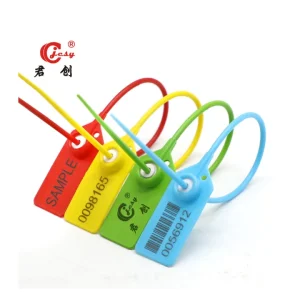
Criteria That Actually Matter When Evaluating Plastic Seal Exporters
Selecting a reliable plastic seal exporter requires looking beyond marketing claims. The vetting process should examine manufacturing capability, quality systems, and the exporter’s track record with international compliance. Shandong Junchuang Lock Industrial Co., Ltd. applies these same standards internally, which shapes how we approach the evaluation criteria below.
Quality Standards That Separate Serious Manufacturers from the Rest
Material integrity forms the foundation of any effective seal. The plastic must resist environmental stress—UV exposure, temperature swings, chemical contact—without becoming brittle or losing its tamper-evident properties. Durability testing should simulate real-world conditions, not just laboratory ideals.
For high-security applications, ISO 17712 certification indicates that seals have passed standardized tests for resistance against manipulation. This isn’t a marketing badge; it’s a technical threshold that customs authorities and security professionals recognize globally. ASTM standards provide additional performance benchmarks for seal material properties.
Exporters should provide certification documentation without hesitation. Reluctance to share test results or third-party audit reports often signals quality control weaknesses.
| Criteria | Description | Importance |
|---|---|---|
| Certifications | ISO 17712, C-TPAT, local regulatory approvals | Ensures global acceptance and security levels |
| Manufacturing | In-house production, quality control, capacity | Guarantees consistent quality and supply |
| Material Quality | Virgin plastics, UV resistance, temperature tolerance | Affects durability and tamper-evident features |
| Customization | Printing, numbering, barcoding, RFID integration | Supports specific operational requirements |
| Experience | Years in industry, client references, market presence | Indicates reliability and problem-solving |
Matching Plastic Seal Types to Specific Security Requirements
Different operations demand different seal designs. A meter seal protecting utility equipment has little in common with a bolt seal securing an ocean freight container, even though both fall under the plastic seal category. Understanding these distinctions helps buyers specify requirements accurately and evaluate whether an exporter’s product range matches their needs.
| Seal Type | Primary Application | Key Features |
|---|---|---|
| Plastic Seals | General purpose, logistics | Versatile, easy application, various strengths |
| Cable Seals | Cable Security Seal for containers, trucks | Adjustable length, high breaking strength |
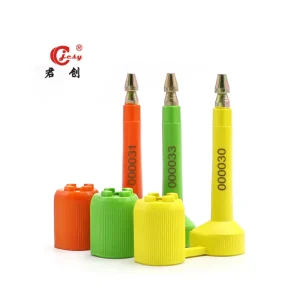
| Bolt Seals | Shipping Container Bolt Seal | High security, ISO 17712 compliant, robust |
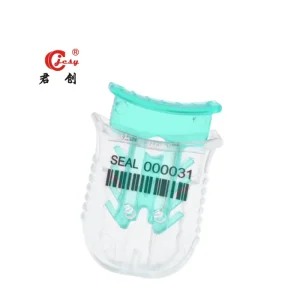
| Meter Seals | Utilities (gas, water, electric) | Tamper-evident, small, precise, often transparent |
| Bag Seals | Cash bags, evidence bags | Pull-tight, numbered, secure closure |
| Drum Seals | Chemical drums, liquid containers | Fixed-length, strong, prevents unauthorized access |
Our manufacturing covers Plastic Security Seal, Cable Tie Lock, Meter Seal, Metal Strap Seal, and High Security Truck Seal products. Each addresses specific security levels and operating environments. Plastic Padlock Seal work well for utility meters and smaller closures, while ISO 17712 Cable Seal products provide the robust protection international shipping requires.
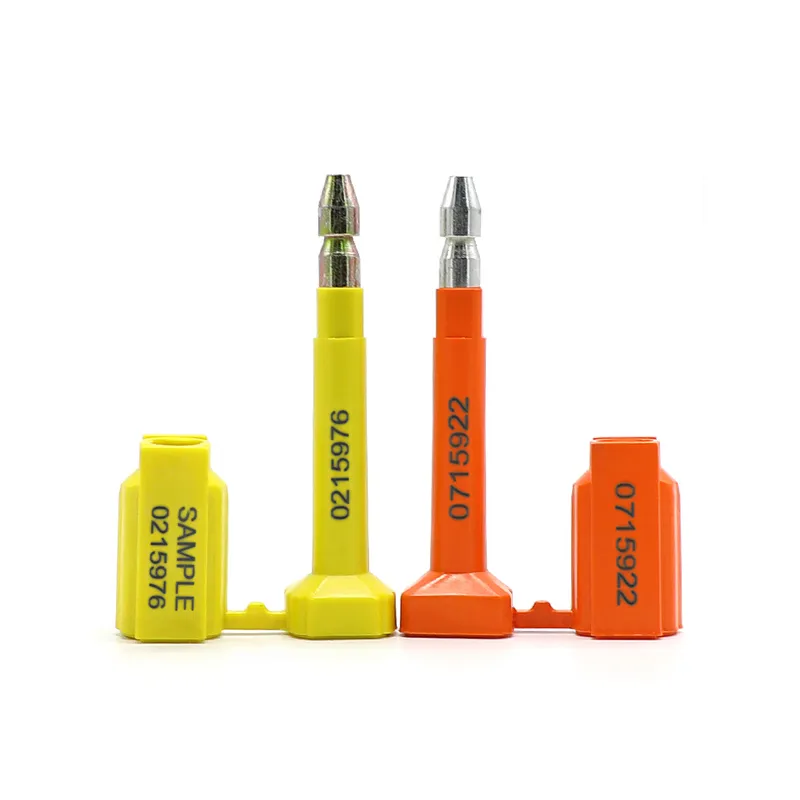
How Compliance and Traceability Protect Global Shipments
International shipments face scrutiny at multiple points—origin, transit, and destination. Export regulations for seals and customs compliance requirements vary by jurisdiction, and failure to meet them can delay cargo or trigger inspections. Effective supply chain traceability systems allow companies to demonstrate chain of custody and respond quickly when questions arise.
Traceability features built into seals themselves make verification practical. Plastic Seal with Serial Number products enable manual tracking, while Plastic Security Seals with Barcode and RFID security seals support automated scanning at checkpoints. These features matter most when shipments cross multiple borders or pass through high-risk transit zones.
Practical Steps for Verifying an International Plastic Seal Exporter
Verification requires more than reviewing a website. These steps provide concrete ways to assess whether an exporter can deliver reliably:
- Conduct factory audits to observe manufacturing processes and quality control in action. Remote video audits work when travel isn’t feasible.
- Request certifications like ISO 17712 directly and verify them with issuing bodies when possible.
- Check client references, particularly from companies in similar industries or with comparable security requirements.
- Establish communication protocols early and evaluate how quickly and clearly the exporter responds to technical questions.
- Review their experience with export regulations and customs procedures for your destination markets.
For additional context on securing utility infrastructure, 《Meter Lead Seals: Essential Security for Utility and Measurement Devices》 covers related considerations.
Balancing Cost and Security in Plastic Seal Procurement
Cost-effective sealing solutions require thinking beyond unit price. A cheaper seal that fails prematurely or doesn’t meet regulatory requirements costs far more than the initial savings suggest. The calculation should include replacement frequency, compliance risk, and the operational impact of seal failures.
Bulk plastic seal orders typically reduce per-unit costs, but only if storage conditions maintain seal integrity until use. Material selection also affects long-term value—choosing the right plastic compound for the application environment extends seal life and reduces failure rates. We design sustainable plastic seals with durability in mind, recognizing that the lowest-cost option rarely delivers the best value over time.
Where Plastic Seal Technology Is Heading
Industrial security solutions continue to evolve as threats become more sophisticated and supply chains grow more complex. Smart seals technology now integrates IoT security seals for real-time monitoring, allowing companies to track seal status throughout transit rather than discovering tampering only at delivery.
Eco-friendly plastic seals address growing sustainability requirements without sacrificing security performance. Advanced anti-tampering features make seals harder to defeat and easier to inspect. Digital seal management systems streamline the administrative side—tracking inventory, managing serial numbers, and generating compliance documentation.
These developments will reshape how companies approach supply chain protection. Exporters investing in these capabilities now will be better positioned to meet future requirements.
Partner with Shandong Junchuang Lock Industry Co., Ltd.
For expertise in industrial security solutions backed by manufacturing capability, connect with Shandong Junchuang Lock Industry Co., Ltd. Our range of plastic, cable, and bolt seals supports supply chain integrity across diverse applications. Contact us to discuss your specific sealing requirements.
Mobile: +86 13853189290 | Email: [email protected]
Frequently Asked Questions About Plastic Seal Exporters
Which types of plastic seals are best suited for high-security logistics applications?
High-security logistics typically require seals with substantial breaking strength and clear tamper evidence. Cable Seals and Bolt Seals meet these requirements for containers, trucks, and rail cars. Fixed-length and pull-tight designs offer different advantages depending on the application—fixed-length seals provide consistent security levels, while pull-tight designs accommodate variable closure points. Shandong Junchuang Lock Industry Co., Ltd manufactures options across these categories for stringent security requirements.
What are the common challenges when sourcing plastic seals from international exporters?
Quality consistency ranks among the most frequent issues—samples may look excellent while production batches vary. Customs and import regulations create delays when documentation doesn’t match requirements. Verifying supplier reliability from a distance takes effort, and communication gaps can compound problems when time zones and language differences come into play. A reliable plastic seal exporter maintains robust quality control, communicates clearly, and has demonstrable experience with international logistics.
How do I ensure the plastic seals I purchase meet specific industry regulations?
Start by requesting relevant certifications directly. For high-security applications, ISO 17712 certification should be verifiable with the issuing body. Ask for detailed product specifications and test reports that document material properties and performance under stress. Confirm that manufacturing processes follow documented quality standards and that the exporter can provide material safety documentation. Regulatory requirements vary by industry and destination, so specify your compliance needs early in discussions.