
A meter seal factory audit produces useful evidence only when the visit checks what actually fails in the field. Most procurement teams confirm the business license, handle a few samples, and leave. Utility meter seals fail because raw material changes, weak sequential numbering control, or tamper-evident features that hold up only in ideal handling. Three checks should therefore rank above unit price: material traceability, locked sequential number allocation, and destructive breakaway testing. This article covers what to verify on the production floor, which documents to request, and how to convert findings into a dependable supply decision before a bulk order.
What to Verify Before Scheduling a Meter Seal Factory Audit
Start the audit before you travel. Ask the factory to send three things with the visit confirmation: a list of tooling or molds used for meter seals in the past twelve months, material data sheets for the compounds they run, and ten sequentially numbered samples from a recent production lot. A manufacturer that produces meter seals regularly can produce these within a few days. If the samples arrive with no matching batch record, or the numbers skip, that is already an audit finding before you walk through the door.
Confirm also how much of the meter seal production is done in-house. Some suppliers outsource injection molding, wire forming, or printing and call themselves manufacturers. Outsourced processes are harder to keep consistent across batches, and when a quality problem appears later, you want a single accountable party rather than a chain of workshops. Ask directly which processes happen on site and which are subcontracted.
In audits I have led for utility buyers, the most common gap is a supplier that can show finished samples but cannot produce the corresponding injection records or raw material purchase orders. That gap usually predicts batch-to-batch variation. The factory that keeps clean batch records will also be the one that answers material questions without hesitation.
How to Check Meter Seal Materials and Production Lines
Walk the line that actually makes meter seals, not just the showroom. On the production floor, the injection molding area should run the correct base resin for your application. Polycarbonate gives better temperature and impact performance for electric and gas meter environments. Polypropylene can work for water meter seals where cost pressure is higher, but it needs a UV stabilizer for outdoor service. The hot-stamping or pad printing area should have a documented setup for sequential numbering, not a manual process that relies on an operator resetting a counter. The wire or strap forming process should show controlled cutting lengths, and finished goods should be packed in closed bags or boxes that protect the numbers from abrasion before installation.
| Material | Best use | What to check | Common failure signal |
|---|---|---|---|
| Polycarbonate | Electric and gas meter seals | Impact resistance test records, heat deflection data | Cracks around the locking area after temperature cycling |
| Polypropylene | Water meter seals and lower cost programs | UV stabilizer content, consistent melt flow | Embrittlement and fading after outdoor exposure |
| Lead | Legacy meter seal programs with high pulling resistance | Certified composition, clean swaging | Soft or inconsistent deformation when applied |
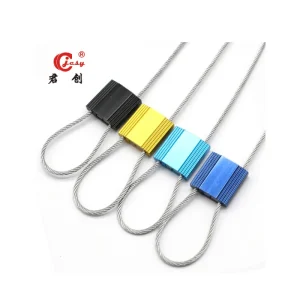
| Galvanized steel wire | Adjustable meter seals that wrap through meter loops | Diameter tolerance, cut length consistency | Burred ends that break during installation |
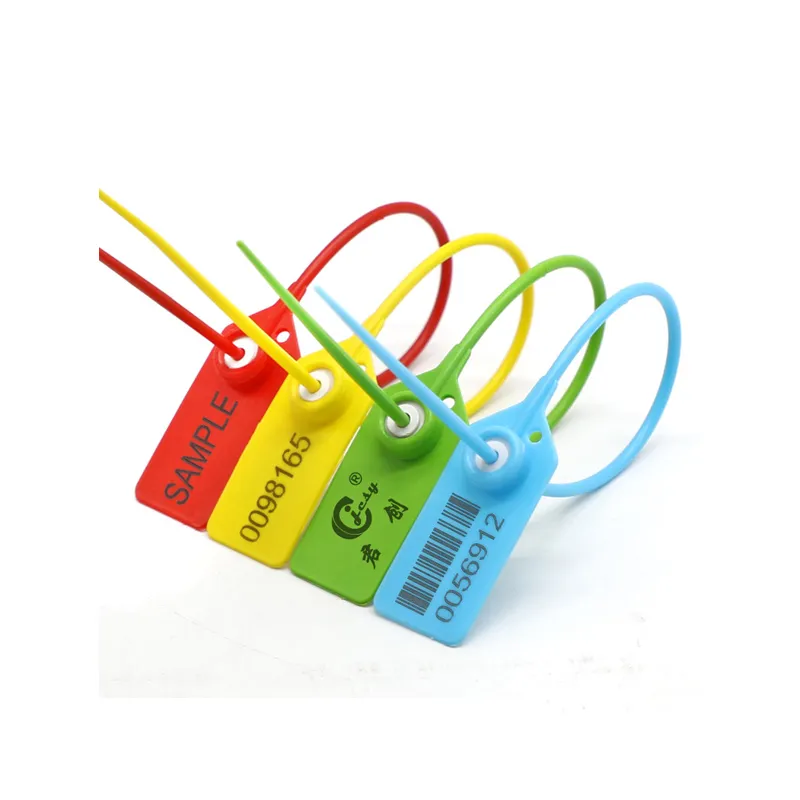
What materials should utility meter seals use?
The answer depends on where the seal will live. Indoor meter rooms usually tolerate polypropylene. Outdoor installations exposed to sunlight and wide temperature swings should lean toward polycarbonate or a UV-stabilized compound. Lead and wire seals still have a role in older utility programs, but the material certificate matters more than the metal itself. Ask for the resin manufacturer’s datasheet, not just the factory’s verbal description. The datasheet shows the exact grade. A supplier that cannot name the resin grade has not controlled the input, and that is where most quality drift enters.
How can you spot poor injection molding quality?
Look at the breakaway points and the locking insert. Cheap molds produce flash, sink marks, and inconsistent wall thickness around the locking stem. Those defects weaken the seal and make it easier to defeat. Ask to see parts from the beginning, middle, and end of a production run. If the factory cannot separate parts by run time, they cannot demonstrate process stability. Dimensional checks with a caliper on ten random pieces per cavity should stay within the drawing tolerance. If the numbers match the drawing but the visual finish varies, treat that as a warning, not a pass.
What Tamper Evidence and Numbering Checks Reveal About Meter Seal Quality
Tamper evidence is the point of the product, so it deserves the strictest observation on site. Request a destructive test on the actual sample you brought or one pulled from current stock. The seal should break cleanly at the designed breakaway point, not soften, bend, or release the wire without damage. If the operator can open and reseat a meter seal without leaving a visible mark, the design is not tamper evident for field conditions. Test the sample with the same hand tools a utility installer would use, not a controlled bench fixture.
Sequential numbering is the second non-negotiable check. The factory should be able to show how numbers are issued across jobs, how duplicate numbers are prevented, and how the system treats reprints. Ask for the numbering log for one completed order. If job numbers overlap, or the factory allows customers to reuse the same number range on repeat orders, traceability breaks down. A meter seal with a duplicate or unassigned number creates exactly the opening utility fraud depends on.
How do sequential numbering systems prevent seal replacement?
Field staff read the number and record it at installation and at each inspection. If someone cuts a seal and installs a replacement, the number will not match the utility’s record. That only works when the factory guarantees a unique number range for each customer program. In our production, each order is assigned a number block before tooling begins, and the block is closed after shipment. Reprints are issued only with a documented reference to the original order. When a factory cannot describe its number allocation process, the audit should not move to pricing discussions.
What tamper-evident features matter most for utility audits?
Breakaway performance ranks first. Locking stem retention ranks second. Surface marking ranks third. A seal can have beautiful printing and still fail if the locking insert pulls out without visible damage. On the audit, pull the seal to destruction and watch where it fractures. If the fracture path is not consistent across five samples, the mold or material is not stable. Document the result with the lot number. That record is more useful in a later dispute than any supplier brochure.
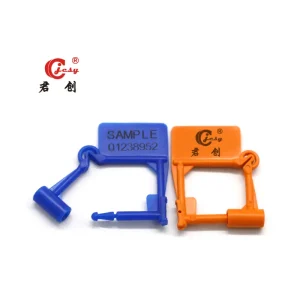
If your meter program specifies a minimum pull strength or a custom number format, it is worth confirming the exact test method before adding it to a purchase order. Send the specification to [email protected] and we can verify it against current tooling.
Which Documents Should a Reliable Meter Seal Factory Prepare for an Audit
Documentation separates a controlled factory from a workshop. Before leaving the visit, request copies or clear photographs of these records. A raw material certificate for the resin or metal used in the last meter seal production lot. A batch inspection record showing dimensions, pull strength, and print adhesion checks. A sequential numbering allocation log for at least one completed utility order. If the factory holds ISO 9001, that certificate indicates a documented quality management system, but it does not replace the batch records. Some suppliers frame the certificate and stop there.
On delivery documents, confirm how the factory marks every carton with the job number and number range inside. That carton marking is what lets a utility warehouse issue seals without opening every bag. Ask also how the factory handles material substitutions. A reliable factory will say that any resin grade change requires customer approval and a requalification sample. A factory that says substitution is impossible may be telling the truth, but a factory that says it is not needed because the spec is similar is the one to avoid.
How Should Meter Seal Audit Findings Shape Your Supply Decision?
Every finding from the audit should map to a decision, not sit as a general impression. A clean material trace, a locked numbering process, and stable breakaway results justify moving forward. A weak area does not always mean rejection. A factory that admits a documentation gap but corrects it with a requalification sample is often a stronger partner than one that argues the gap never mattered. The condition to watch is whether the supplier treats the finding as an engineering problem or a negotiation problem.
At Junchuang Lock, we work from the same audit standard: raw material certificates, sequence-controlled numbering, destructive tamper-evident testing, and carton-level traceability. If your meter seal program involves utility-specific numbering, custom colors, or a particular pull-strength requirement, send your part number, quantity, and audit checklist to [email protected] or WhatsApp +86 13853189290. We will confirm material choice, tooling status, and sample availability before you commit.
What Questions Do Buyers Ask About Meter Seal Factory Audits?
How long should a meter seal factory audit take?
A focused meter seal factory audit takes half a day on site, not two days. Spend the morning on production and materials, then the afternoon on documents, numbering records, and sample destruction. Anything longer usually includes meals, showrooms, and relationship time that do not improve quality. I have completed useful audits in four hours when the factory had the batch records ready and the production line running. The time is better used before the visit, collecting the tooling list, material datasheets, and numbering log so the on-site time stays focused.
Can a remote audit replace an on-site meter seal factory visit?
It depends on the order risk and the stage of the relationship. For a first order with a new factory, a remote visit cannot replace walking the line and pulling samples yourself. For a repeat order with a factory that already passed an on-site audit, a remote audit can work if the supplier shows live video of the running production line, sends current batch records, and ships samples before the main order. The limiting question is whether you can verify destructively. If the supplier will not send samples for independent breakaway testing, stay with an on-site visit.
What sample quantity should you order after the audit?
In programs I have supported, 100 to 300 sequentially numbered pieces from one production setup are usually enough to evaluate consistency across cavities and operators. The samples should come from the same mold and material as the bulk run, not from a separate sample string. I have seen factories prepare hand-polished audit samples that never represented production output. Ask the factory to pull the samples from the current lot while you watch, including the first and last piece of the run, so you can check number sequence integrity through the full cycle.
Are lead meter seals more secure than plastic meter seals?
A common assumption is that lead is automatically more secure than plastic, but that is not accurate. Lead seals resist tampering differently, and their security comes from proper swaging and composition control, not from the metal alone. A poor lead alloy with weak swaging can be opened and reseated as easily as a cheap plastic seal. Polycarbonate meter seals with a clean breakaway point often yield stronger audit evidence because the damage is easier to read in the field. The material choice should follow the meter type, inspection process, and utility traceability rules. If your program compares lead, wire, and plastic options for a specific requirement, share your current samples and number format with us and we will confirm the closest match.
If you’re interested, check out these related articles:
Bolt Seal Installation: Critical Steps for Uncompromised Cargo Security – Junchuang Lock
Security Seals: Disposable vs. Reusable for Supply Chain Integrity – Junchuang Lock
Plastic Seal Factory Quality Control: Ensuring Supply Chain Integrity – Junchuang Lock