
Cargo integrity during transit isn’t just a logistics checkbox—it’s the difference between a successful shipment and a costly breach. Getting bolt seal installation right matters more than most people realize, and the details of proper application directly affect whether your security measures actually work. This covers the essential procedures for applying high-security bolt seals, the kind of practical knowledge that keeps shipments protected from origin to destination.
What High-Security Bolt Seals Actually Do in Modern Logistics
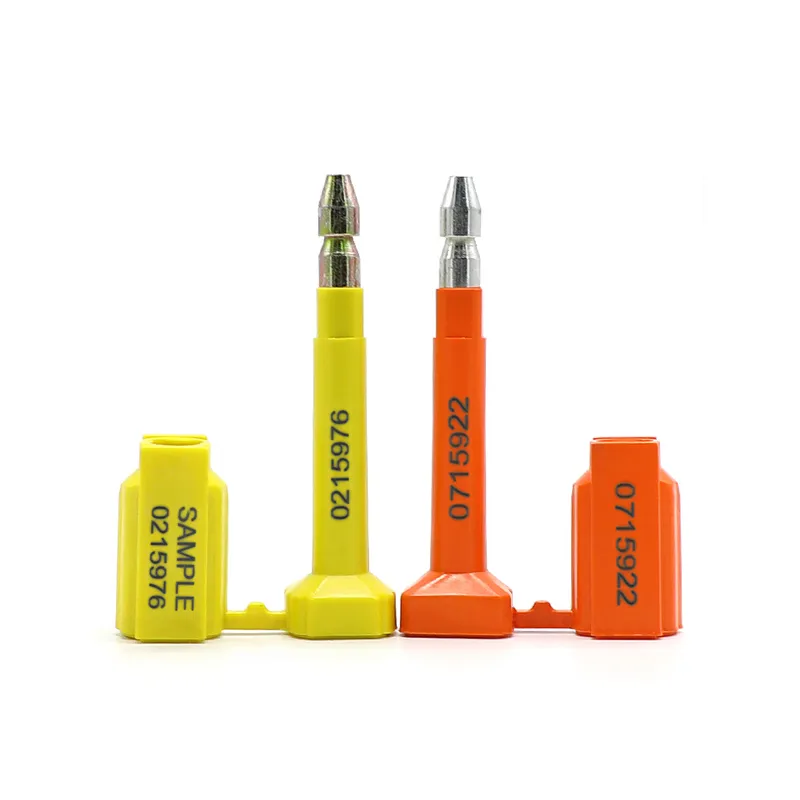
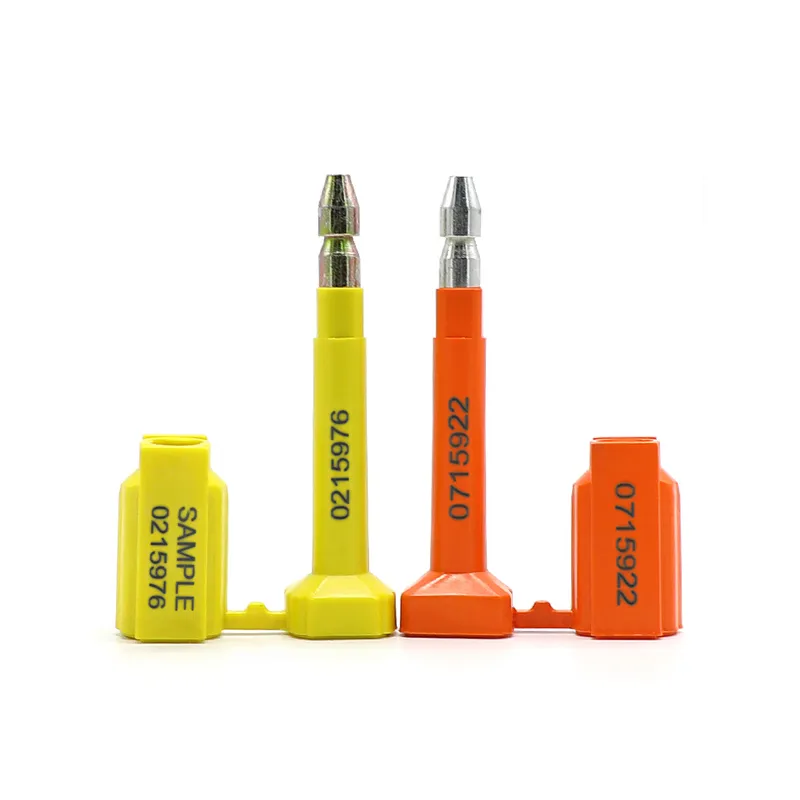
High-security bolt seals serve as the front line of container protection. These tamper-evident devices secure freight containers, trailers, and rail cars with a combination of physical strength and visible breach indicators. When someone attempts unauthorized access, the evidence shows.
The effectiveness of any bolt seal depends on meeting international standards. ISO 17712 compliance defines what qualifies as “high-security”—specific mechanical strength tests and tamper-evident features that separate serious protection from security theater. C-TPAT requirements build on this foundation, mandating ISO 17712 compliant seals as part of broader border security programs that facilitate legitimate trade while blocking threats.
Junchuang Lock Industry products, including our high-security bolt seals, meet these requirements through robust construction and clear tamper-evident design. Any breach attempt leaves undeniable proof. This matters for maintaining accountability across logistics networks where cargo changes hands multiple times. Proper application of freight container seals reduces risk significantly—understanding these security levels is where effective cargo protection starts.
Pre-Installation Checklist That Prevents Problems
Preparation determines whether a bolt seal actually protects anything. Skipping steps here creates vulnerabilities that no seal design can overcome.
-
Inspect the Seal: Check each high-security bolt seal for manufacturing defects, damage, or tampering signs. Confirm the pin and barrel components match and move freely.
-
Verify Seal Numbering: Match the unique identification number on both pin and barrel against shipping documentation. Record this number accurately—discrepancies later create serious problems.
-
Check Container Locking Mechanisms: Examine door security hardware including locking bars, hinges, and keeper. Damaged or misaligned components compromise seal integrity regardless of seal quality.
-
Clean the Application Area: Remove dirt, rust, and debris from the locking mechanism. Clean surfaces ensure proper seating.
-
Review Regulatory Requirements: Confirm the seal type and application method comply with ISO 17712 certification and C-TPAT standards for your specific route and cargo.
-
Train Personnel: Everyone applying seals needs proper training on procedures and their importance. Common installation mistakes stem from inadequate training.
-
Prepare Documentation: Have shipping documentation ready—manifest, bill of lading, and seal log for recording applied seal numbers.
-
Assess Risk: Consider cargo value and destination. High-value goods or sensitive routes may warrant additional measures.
-
Confirm Seal Certification: Verify seals come from a reputable manufacturer like Junchuang Lock Industry with valid certification. This ensures quality and reliability.
These seal inspection procedures and preparation steps establish the security baseline before cargo moves.
Step-by-Step Bolt Seal Installation That Actually Works
Correct bolt seal application techniques determine whether maximum security is achieved or compromised. Following these steps ensures anti-tamper mechanisms function as designed.
-
Select the Correct Bolt Seal: Choose a high-security bolt seal meeting ISO 17712 standards, appropriate for your container and cargo type.
-
Open the Container Doors: Ensure doors are fully closed and latched with handles aligned and ready for sealing.
-
Align the Locking Bars: Bring the container’s locking bars together. The holes on primary and secondary locking rods must align perfectly.
-
Insert the Bolt Pin: Push the bolt pin through the aligned holes of the container door locking mechanism until it emerges completely on the other side.
-
Attach the Bolt Barrel: Push the bolt barrel firmly onto the exposed pin end with steady pressure.
-
Engage the Locking Mechanism: Continue pushing the barrel onto the pin until you hear a distinct “click”—this confirms secure engagement.
-
Verify Secure Locking: Perform a tug test by firmly pulling the pin and barrel in opposite directions. The seal should not separate or loosen.
-
Record Unique Seal Identification: Immediately record the serial number in your shipping manifest and security log.
-
Document Application: Photograph the installed seal on the container for visual evidence of correct application.
-
Inspect for Gaps: Check for visible gaps between pin, barrel, and container locking hardware. Gaps indicate improper seating.
These steps, followed precisely, ensure Junchuang bolt seals provide robust container door security and maintain seal integrity verification.
How do I verify if a bolt seal is properly installed?
Verification requires both visual and physical checks. Visually confirm the pin is fully inserted into the barrel with tight connection between components. No gap should exist between the pin head and barrel, or between the barrel and the container’s locking mechanism. Then conduct a tug test—firmly pull both ends of the seal. It should not come apart or show loosening. This physical check confirms proper application and secure engagement of the locking mechanism.
What are the common mistakes to avoid during bolt seal application?
Several errors compromise security. Not fully engaging the bolt pin into the barrel creates an insecure lock that can be defeated easily. Failing to inspect container locking hardware for damage or misalignment before applying the seal creates vulnerabilities the seal cannot overcome. Neglecting to record the unique seal number accurately—or at all—hinders tracking and accountability. These improper application consequences increase seal tampering risks and undermine security breach prevention efforts.
Post-Installation Verification and Secure Removal Practices
Maintaining logistics integrity extends beyond initial application. Post-installation checks enable continuous security monitoring. Inspect seals at various transit checkpoints, looking for tampering signs such as cuts, breaks, or alterations to seal numbering. Tamper detection methods include comparing seal appearance and number against initial records. Any discrepancy requires immediate incident reporting.
When cargo reaches its destination, systematic seal removal is necessary. Only authorized personnel should remove seals using appropriate secure removal tools, typically bolt cutters.
-
Verify Seal Number: Before removal, compare the seal number on the container with shipping documentation. Any mismatch indicates a potential breach.
-
Inspect for Tampering: Conduct a final visual inspection of the seal and container locking mechanism for tampering signs. Document suspicious findings.
-
Position Bolt Cutters: Place bolt cutter jaws around the seal pin, as close to the barrel as possible.
-
Cut the Seal: Firmly close the bolt cutters to sever the pin. The seal should break cleanly.
-
Remove Seal Components: Collect both pin and barrel components of the broken seal.
-
Record Removal: Document the date, time, and identity of the person removing the seal. Note observations about seal condition.
-
Dispose Securely: Dispose of broken seal components securely to prevent reuse or fraudulent activities.
Proper record keeping for seals is vital for accountability and customs clearance requirements. This comprehensive approach ensures the entire seal lifecycle contributes to robust cargo inspection protocols.
Why is ISO 17712 compliance important for bolt seals?
ISO 17712 certification establishes a globally recognized benchmark for seal strength and tamper resistance. This international shipping standard ensures seals withstand sophisticated tampering attempts. For businesses, using ISO 17712 compliant seals helps meet C-TPAT requirements mandated by customs authorities, facilitating smoother international trade while reducing cargo theft and fraud risk. The supply chain security benefits include enhanced trust and reliability in global logistics operations.
Integrating Bolt Seals into Broader Security Strategy
Bolt seals are formidable, but their true strength emerges within a broader logistics integrity management framework. A multi-layered security approach combines physical seals with other protective measures, creating robust defense against theft and tampering.
Consider these strategic integrations:
-
Physical Security Layers: Combine high-security bolt seals with other physical barriers like container lock boxes or kingpin locks. This adds complexity for potential intruders.
-
Tracking Systems Integration: Integrate seal data with real-time tracking systems for continuous cargo location monitoring and immediate alerts if containers deviate from planned routes or stop unexpectedly.
-
Procedural Controls: Implement strict procedural controls for seal issuance, application, inspection, and removal. This minimizes human error and internal vulnerabilities.
-
Personnel Training: Regularly train all personnel handling sealed cargo on security protocols, tamper detection, and incident response.
-
Security Audits: Conduct regular security audits to identify supply chain weaknesses and ensure protocol adherence.
-
Technology Integration: Utilize electronic seals or smart seals providing real-time tamper alerts, complementing traditional bolt seal physical security.
-
Warehouse Security Protocols: Extend security measures to warehouses and distribution centers including controlled access, surveillance, and inventory management.
-
Cold Chain Security Solutions: For temperature-sensitive cargo, integrate bolt seals with temperature monitoring devices ensuring both physical security and environmental integrity.
Shandong Junchuang Lock Industry Co., Ltd. provides solutions fitting these comprehensive strategies. Our high-security bolt seals are designed for reliability, forming a critical part of asset protection. Combining our products with robust operational security significantly enhances supply chain protection and reduces overall risk.
Frequently Asked Questions About Bolt Seal Security
What is the primary purpose of a high-security bolt seal?
High-security bolt seals provide a tamper-evident physical barrier for cargo, securing containers, trailers, and rail cars while deterring unauthorized access and theft. These seals meet ISO 17712 standards, indicating their strength and ability to show clear evidence if tampered with. This ensures cargo security and accountability throughout the supply chain.
How often should bolt seals be inspected during transit?
Bolt seals should be inspected at every significant transfer point or checkpoint during transit—origin, port of loading, customs clearance points, and destination. Regular bolt seal inspection enables early tamper detection and allows immediate action if discrepancies are found. Consistent in-transit security monitoring is crucial for maintaining supply chain integrity.
Can bolt seals be reused after removal?
No. Bolt seals are designed as single-use devices. Once removed by cutting the pin, the seal’s integrity is permanently compromised. This design feature is fundamental to tamper evidence—any attempt to reassemble or reuse a broken seal would be immediately apparent, upholding security integrity and preventing fraudulent practices.
What are the key differences between various types of security seals?
Different security seal types offer varying security levels. Bolt seals are robust, high-security seals primarily for containers, offering strong physical resistance. Cable seals, like those from Junchuang Lock Industry, are versatile and adjustable, suitable for truck doors and valves, providing good tamper evidence. Plastic seals serve lighter security needs such as utility meters or tote boxes, focusing on tamper indication with easy application and removal. Each type serves specific security requirements.
How does Junchuang Lock Industry ensure the quality of its bolt seals?
Junchuang Lock Industry ensures bolt seal quality through rigorous manufacturing and strict quality control. We integrate design, development, and production while adhering to international standards like ISO 17712 certification. Our commitment to quality means using durable materials and precise engineering, ensuring every high-security bolt seal performs reliably and provides consistent protection for valuable assets.
Secure Your Supply Chain with Junchuang Lock Industry
Protect your cargo with industry-leading bolt seals designed for maximum protection and compliance. As a professional manufacturer integrating design, development, and production, Shandong Junchuang Lock Industry Co., Ltd. offers a comprehensive range of high-security seals—including bolt, Plastic Seal Security Lock, cable, and Metal Strap Seal seals—trusted globally for reliability. Contact our experts today to discuss your specific security needs and safeguard your valuable assets.
Email: [email protected]
Mobile/Whatsapp: +86 13853189290