
Comparing security seal suppliers is more than a price exercise. Cargo worth hundreds of thousands of dollars crosses borders daily, and the seal on a container door is often the only physical barrier between a shipment and tampering. Security seal supplier comparison must look past glossy brochures and online catalogs to the fundamentals of production and partnership. In over fifteen years of managing production lines and global order fulfillment at Shandong Junchuang Lock Industry, I have learned that the gap between a dependable supplier and a costly mistake almost always comes down to three things: verifiable manufacturing capability, consistent quality, and the supplier’s willingness to treat your business as a long-term relationship. This guide walks through the critical factors procurement teams often overlook when sourcing security seals worldwide.
Supplier Evaluation Priorities
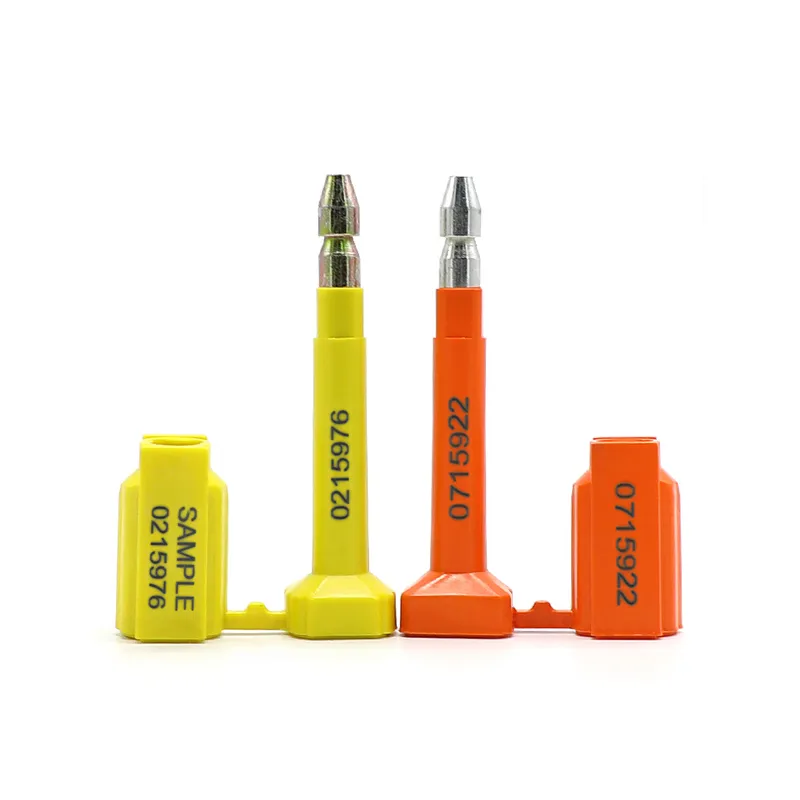
A supplier comparison that starts and ends with unit price will miss most of what determines lifetime value. The priorities that matter for a global buyer begin with manufacturing depth. A direct factory controls raw material purchase, production scheduling, and final inspection without relying on outsourced workshops. That control directly affects delivery reliability and quality repeatability, two metrics that become visible only after several orders.
Next, quality management systems cannot be taken at face value. I have reviewed supplier questionnaires that claimed full ISO compliance, yet batch inspection records were missing when requested. The supplier should be able to provide documented inspection data for recent production runs, not just a certificate on the wall. Similarly, turnaround time from order confirmation to ex-factory date must be discussed with the factory planners, not the sales agent, because the agent often promises dates the floor cannot meet.
Finally, packaging and logistics handling are part of the quality chain. Security seals that arrive with damaged barcodes or scratched markings add labor cost at the receiving dock and can delay cargo clearance. Request photos of actual export packaging before committing to a trial order.
Factory vs Trading Company Verification
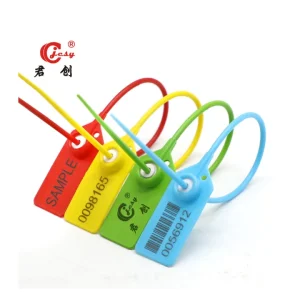
The distinction between a manufacturer and a trading company is the single most overlooked factor in global supplier comparison. A trading company sources products from multiple factories, often with little control over which production line runs your order. A factory supplier owns the tooling, hires and trains the operators, and carries the cost of nonconformance internally. That structural difference shapes everything from response time to customization flexibility.
Verification starts with company registration. Many trading companies list a factory address that is not a production site. Request a time-stamped video of the production floor, showing specific machinery your product requires, such as injection molding machines for plastic seals or CNC machining centers for bolt seal barrels. In our own facility, we welcome live video calls because transparency eliminates weeks of back-and-forth doubt.
Factory audit reports are helpful when available, but a simpler test is to ask how the supplier handles a defective batch. A genuine manufacturer can describe their internal rework and scrap procedure, including material traceability back to the raw material lot. A trading company will typically talk about returning the goods to the factory, with no direct visibility into the corrective action.
Quality Consistency Beyond Certificates
ISO 17712 certification for high security seals is a market entry credential, not an ongoing quality guarantee. The standard verifies that a seal design can meet tensile strength and tamper-evident requirements under test conditions. It does not audit production stability over time. I have seen suppliers whose pre-certification samples passed, but production batches six months later failed identical pull tests because mold wear or material substitution had crept in.
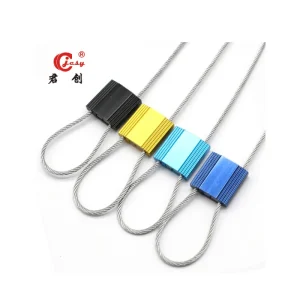
If your program requires batch-to-batch consistency, ask for production inspection records that correspond to the lot numbers on your shipments. These records should include tensile strength values for bolt seals, engagement force for plastic pull-tight seals, and cable diameter tolerance for cable seals. When a supplier cannot produce these records for three consecutive production batches, that is a warning sign.
Material supply is another consistency variable. Polypropylene resin grades and galvanized steel wire specifications differ in cost and performance. A factory that switches grades to save cost will produce seals that look identical but perform differently in the field. In our own planning, we lock raw material specifications per product code, and I recommend buyers include those specifications in their purchasing agreements.
If your program involves high-risk cargo or cross-border compliance requirements, confirm that batch inspection records and material certifications will be provided with each shipment. Send your part number and quantity to [email protected] before finalizing your BOM, and I will review what documentation we can supply.
Pricing, MOQ, and Total Cost Reality
Price per piece is easy to compare, but the total cost of ownership includes factors that a spreadsheet often misses. The table below breaks down the cost components that shift depending on supplier structure and cooperation terms.
| Cost Factor | What It Affects | What to Confirm |
|---|---|---|
| Unit price | Direct purchasing cost | Ask for FOB and EXW pricing separately, with currency specified |
| Minimum order quantity (MOQ) | Cash flow and inventory | Confirm whether the MOQ applies per item or per order; some factories combine SKUs |
| Custom printing setup | Branding and compliance | Clarify if mold or printing plate costs are one-time or repeated, and whether they are refundable with volume |
| Lead time | Supply chain planning | Request a production schedule, not a verbal estimate, and ask about peak season delays |
| Shipping and duties | Landed cost | Work with a forwarder to compare the factory’s nominated freight against open-market rates |
Beyond the numbers, hidden cost comes from rework. If a shipment arrives with mixed lot numbers or inconsistent printing, your warehouse staff spends time sorting and documenting nonconformance. A supplier that sources from multiple subcontractors is more likely to produce these inconsistencies. A direct factory with internal quality gates can maintain lot integrity from molding to shipping.
Building a Long-Term Supplier Partnership
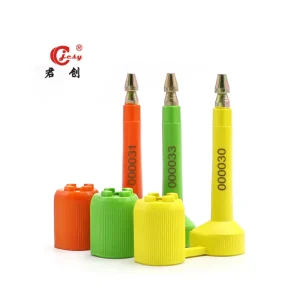
The ultimate goal of comparing suppliers worldwide is not to find the cheapest quote today but to secure a supply partner who grows with your operation. Long-term partnerships produce benefits that no single transaction can capture: priority production slots during peak season, faster turnaround on custom designs, and proactive communication when a material shortage or shipping disruption is on the horizon.
A partner factory listens differently. When we receive repeat orders from a client, the production file already includes their specific labeling preferences, packaging format, and even the preferred pallet configuration. That accumulated knowledge reduces errors and speeds up delivery. It is the kind of efficiency that a transactional relationship cannot produce.
Look for a supplier whose response goes beyond price. Ask a technical question about material aging or UV resistance and gauge whether the answer comes from an engineer or a sales script. The depth of that answer tells you more about the supplier’s long-term value than a price list ever will.
If you are comparing security seal suppliers for your next shipment, send your part number and quantity to [email protected] or call +86 13853189290. I review incoming requirements personally and provide a sample evaluation and quotation without obligation. This is the fastest way to move from supplier comparison to a supply solution you can trust.
Common Questions About Supplier Sourcing
What separates a factory supplier from a trading company in practice?
The difference is control. A factory supplier manages raw material procurement, production tooling, and final inspection under one roof. A trading company coordinates between separate factories, which inserts communication layers and limits their ability to guarantee lot-level quality. When issues arise, the factory can implement a corrective action directly, while a trading company must negotiate with a third-party workshop. In our facility, every production shift has its own inspection record, so if a client reports a variation, we can trace it to a specific shift and machine within hours.
How can a buyer verify that a supplier actually manufactures the seals?
A common mistake is accepting a business license as proof of manufacturing. I recommend requesting a live video walkthrough of the production floor, focusing on the specific machinery relevant to your order. For bolt seals, look for CNC turning centers and stamping presses. For plastic seals, look for injection molding machines with current date stamps on the control panels. A factory hosting live calls has nothing to hide. Additionally, ask for a recent batch inspection report with actual measurement data, not a summary sheet. If the supplier cannot produce either, treat them as a trading company.
Is ISO 17712 certification enough to rely on?
ISO 17712 is a design verification, not a production quality system. A seal model passes the standard by withstanding specific tensile strength and tamper-proof tests in a lab. That does not mean every production batch meets the same threshold. For ongoing assurance, buyers need batch-level inspection records, including pull test values for bolt seals or engagement force for pull-tight designs. If a supplier only offers their ISO certificate and no production data, you are buying a certified design, not necessarily a certified batch.
What is a typical MOQ for custom-printed security seals?
It depends on the seal type and the complexity of the customization. For bolt seals with laser-engraved sequential numbering and a customer logo, MOQs often start around 5,000 units. Plastic pull-tight seals may have MOQs of 10,000 or higher due to mold setup costs. However, a direct manufacturer can sometimes accommodate smaller trial runs for a new partnership, especially if the client commits to a follow-on order. The safest approach is to present your forecast when requesting a quote — that opens the conversation to flexibility that a rigid quote sheet might not show.
How long does it take to receive a shipment of security seals from China?
Standard production lead time for non-customized stock seals can be as short as 7 to 10 days before dispatch. Custom seals with printing or special packaging typically require 15 to 25 days of production, assuming no peak season congestion. Ocean freight to Europe or North America adds another 20 to 35 days, depending on the destination port and customs clearance. Air freight cuts that to under a week but increases the per-unit cost substantially. If your timeline is tight, share the delivery deadline and order volume at the inquiry stage. That allows a factory to check current production capacity and suggest realistic shipping dates rather than optimistic assumptions.
If you’re interested, check out these related articles:
Bolt Seal Quality Inspection: Safeguarding Cargo & Compliance – Junchuang Lock
China Cable Seal Factory Buying Guide for Secure Industrial Procurement – Junchuang Lock