
Choosing between a metal strap seal and a bolt seal is not only about price. It is about how your cargo moves, where it stops, and what level of tamper evidence your supply chain demands. As a manufacturer with more than fifteen years of direct production experience, I know that procurement teams often overlook two critical factors: the seal’s physical weak points during transit and the manufacturing consistency behind its tamper-evident features. This article addresses the practical selection criteria that logistics professionals face in the field, from deciding which seal type matches your risk profile to evaluating supplier reliability before placing a bulk order.
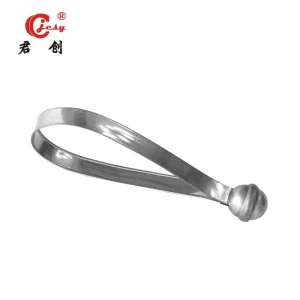
How Metal Strap Seals and Bolt Seals Differ in Design
A metal strap seal uses a flexible steel strapping band that threads through a locking mechanism. You wrap the strap around the container door handle or valve, pull it tight, and the one-way locking jaw grips the band. The only way to remove it is to cut the strap, leaving clear evidence of tampering. The strap width typically measures between 6mm and 8mm, and the band length can be customized, which makes this seal adaptable across different closure dimensions.
In contrast, a bolt seal is a rigid, two-piece device. A steel bolt shaft inserts into a locking barrel body. You push the bolt fully into the barrel until you hear or feel the internal locking ring snap into place. The assembly forms a hardened steel lock that resists pulling force far above 10 kilonewtons, depending on the model. Because the bolt and barrel are separate before application, the seal cannot be pre-threaded like a strap seal, but the resulting closure is extremely resistant to direct physical attack.
The design difference is not trivial. A strap seal’s flexible band can be cut with a handheld cutter in seconds, but the cut remains obvious. A bolt seal demands heavy bolt cutters to break, but a skilled tamper might attempt to freeze the locking ring or drill the barrel, techniques that require time and tooling. Understanding these weak points is what separates a routine specification check from a real cargo security decision.
What Security Level Does Each Seal Provide
Both seal types fall under ISO 17712 when certified, but their security ratings within the standard can differ. Bolt seals routinely achieve the “H” high-security classification, which requires a tensile strength exceeding 10 kN and a documented tamper evidence mechanism. Metal strap seals can also meet high-security requirements, but the strap material thickness and locking jaw design must be verified against the test standard, because thinner bands can fail the shear test before reaching the rated load.
In our production facility, we test bolt seal assemblies on a tensile machine to confirm the fracture point of the barrel and the locking ring’s holding force before any batch ships. With metal strap seals, the tamper evidence hinges on the band’s surface marking and the irreversibility of the jaw lock. If the locking jaw can be released and re-engaged without visible damage, the seal is essentially a tamper indicator with no real protective value. That is why factory-level pull tests must extend beyond the rated limit, to reveal whether the jaw slides before the strap breaks.
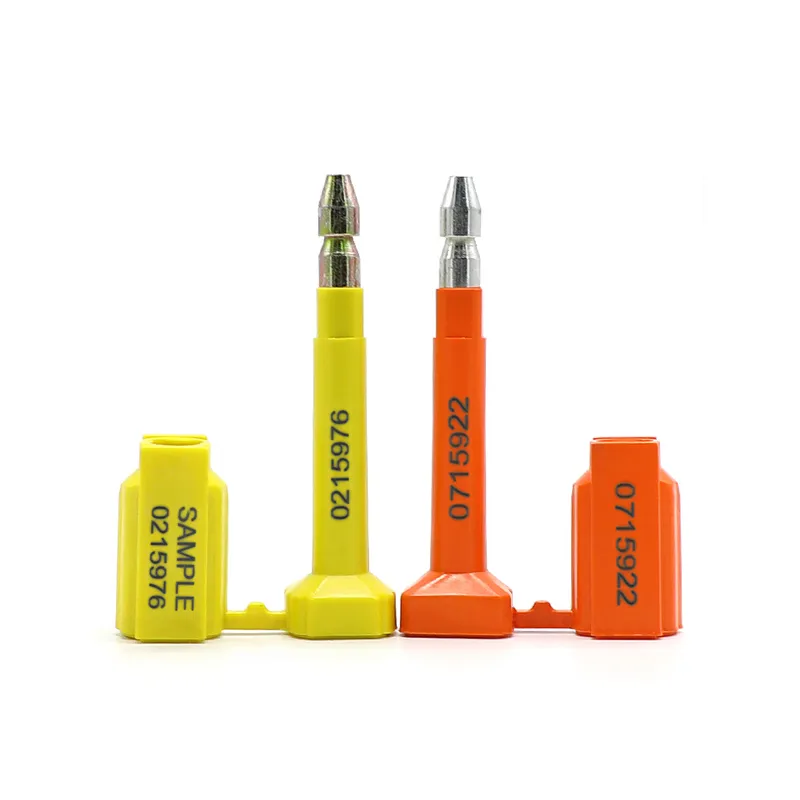
For cargo that transits multiple ports or crosses borders where inspection delays are common, a bolt seal’s physical resistance buys time and deterrence. A strap seal is adequate for shorter domestic hauls or for sealing valves, hatches, and compartment doors on tankers and rail cars, where the primary threat is casual pilferage rather than organized theft. The decision comes down to how long your cargo is unmonitored and what tools a motivated intruder might carry.
Where Each Seal Type Performs Best
Containerized ocean freight. Bolt seals dominate this lane because the C-TPAT program and most customs authorities accept only high-security bolt seals for container doors. The rigid body withstands the vibration and impact of ship and rail handling better than a strap, which can abrade against metal edges.
Truck trailer doors in domestic distribution. A metal strap seal offers a practical balance. It installs faster than a bolt seal, costs less per unit, and if the trailer is sealed at the warehouse and opened at the destination with no intermediate stops, the threat of tampering is lower. However, on long-haul routes with overnight parking or multiple drop-off points, bolt seals provide stronger deterrence.
Valve, hatch, and access panel sealing. Strap seals are the standard choice because bolt seals cannot wrap around irregular shapes. The flexible band conforms to valve handles, manhole covers, and railcar dome lids. In these applications, the seal’s role is to show whether the valve was operated, not to defeat a cutting attempt.
A common mistake I see is using a strap seal on a container door simply because the previous order was for strap seals. Matching the seal to the closure type and the threat profile is a routine step that directly reduces cargo loss.
What Manufacturing Quality Indicators Should You Check
Procurement teams that treat all seals from a catalog as equal eventually encounter batch failures. There are several manufacturing quality indicators you can verify even from a distance.
First, request a batch sample and cut it open. For bolt seals, inspect the locking ring material. A hardened steel ring with a clean, continuous surface grips the bolt shaft securely. A cheap ring made from mild steel can deform under 7 kN, well below the rated 10 kN, and produce no obvious external mark.
Second, check the marking method. Laser engraving penetrates the steel, creating a permanent identifier that cannot be erased without removing material. Stamped or screen-printed markings can be worn down during transit, compromising traceability. For metal strap seals, the serial number and company marking must be deep-etched, not printed.
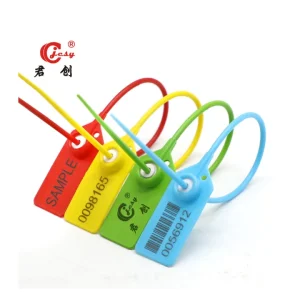
Third, verify the coating consistency. Bolt seal barrels are often zinc-plated or powder-coated to survive salt-air exposure during ocean transit. A patchy coat flakes off in weeks, exposing the base steel to corrosion that weakens the barrel. In strap seals, the band must be evenly galvanized so the entire length resists rust.
Finally, demand the ISO 17712 test report for the specific model you are buying, not a general certificate for the factory. The test report shows the tensile test curve and confirms whether the seal froze during the low-temperature variant. Without this document, you are accepting the supplier’s word on a claim that should be independently verified.
Choosing the Right Seal for Your Cargo Security
The choice between a metal strap seal and a bolt seal is not about one being better. It is about defining the security gap you need to close. If your cargo crosses international borders, a high-security bolt seal that meets ISO 17712 and withstands container handling is the baseline. If you are sealing valves, hatches, or domestic truck doors where the closure type and risk level differ, a metal strap seal often fits the operation better and reduces per-unit cost.
From our manufacturing experience, the most reliable seal is the one that arrives with consistent quality across every carton, matches the closure design without field modifications, and leaves tamper evidence that the receiving team can verify in seconds. When you evaluate your next order, start with the actual closure dimensions and the maximum unmonitored time your cargo faces, then let those requirements lead the seal specification. That approach keeps security practical and cost under control.
If your program includes high-volume container shipping or multi-stop logistics, it is worth confirming the bolt seal’s barrel hardness and the strap seal’s jaw locking force with a factory before finalizing your bill of materials. You can reach us at [email protected] or WhatsApp +86 13853189290 with your part numbers and approximate monthly volumes; we will provide batch samples and test documentation for the models you are considering.
Questions Logistics Buyers Often Ask About Metal Strap and Bolt Seals
Which seal is cheaper per unit?
Metal strap seals are generally less expensive per piece than bolt seals, partly because the raw material cost for the steel band is lower than the precision-machined bolt and barrel assembly. However, the total cost must include the labor time for installation and the residual risk of tamper failure. On over-the-road trucking where a strap seal is sufficient, the total value is often better than over-specifying a bolt seal.
Can a metal strap seal be used on container doors?
You can physically apply a strap seal to container door hasps, but most customs programs require a high-security bolt seal that meets C-TPAT standards. If your shipping lane does not involve customs compliance, a thick strap seal with a hardened jaw can work, but the seal’s cut resistance is lower, and you lose the deterrence that a bolt seal provides at intermodal terminals.
Does the metal strap seal’s locking jaw fail before the band breaks?
In poorly manufactured seals, yes. The jaw clamping mechanism can slide along the strap when pulling force increases, meaning the seal loosens without breaking. In our production tests, we require the jaw to hold until the strap itself tears, which ensures the seal either stays tight or shows a destructive failure. Always request a test video or a sample batch to verify this behavior before committing to a large order.
What temperatures affect bolt seal performance?
Standard zinc-plated bolt seals perform reliably from roughly -40°C to +80°C, but the plastic bumper or internal seal ring, if present, can become brittle in extreme cold. For refrigerated containers, a low-temperature variant with hardened internal components is advisable. If your cargo travels through Arctic or desert environments, specify the temperature range to your manufacturer, and request the corresponding ISO 17712 low-temperature test report.
How can I verify a batch of seals is consistent?
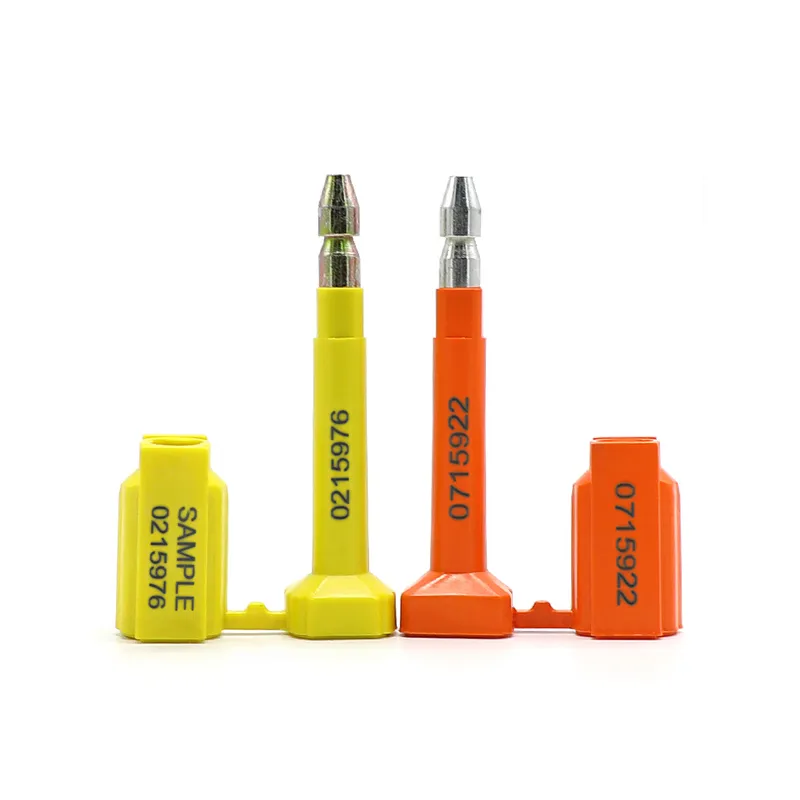
Pull ten seals at random from the shipment, apply them, and destructively remove each one while recording the removal method and visible tamper marks. Then compare the serial numbers against the packing list. Gaps, duplicates, or missing numbers indicate poor factory quality control. A reliable supplier will have already performed this random check internally before the batch leaves the facility.
Share your current application and shipment pattern with us, and we will recommend a seal configuration that matches your compliance requirements and operating conditions.
If you’re interested, check out these related articles:
China Security Seal Manufacturers: Strategic Selection Guide – Junchuang Lock
Comprehensive Quality Inspection Checklist for Security Seals – Junchuang Lock