
Plastic seal vs cable seal comparisons often stop at tensile strength and unit price, but a purchase based on those two numbers alone can leave your shipment exposed. The difference that actually matters is how each seal integrates with your locking point, inspection routine, and threat level. Pull tight plastic seals deliver visible tamper evidence at a low cost for utility metering and domestic distribution. Cable seals add physical resistance and a multi point locking body suited for cross border containerized freight. Choosing between them means matching the seal’s operational behavior to the cargo risk, not simply picking the stronger one.
What Are the Physical Differences Between Plastic Seals and Cable Seals?
Plastic seals and cable seals serve the same purpose, tamper evidence, but their structures drive completely different use cases.
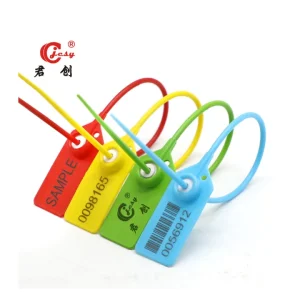
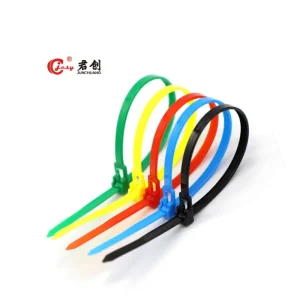
A plastic security seal is typically a one piece polypropylene or nylon strap with a locking head. The tail feeds through the locking mechanism and pulls tight. Once cinched, the seal cannot be opened without cutting. The locking head is small, and the strap is usually flat or slightly ribbed. Tensile strength is modest, rarely exceeding 30 kg. The seal leaves a clear physical break if someone tries to bypass it.
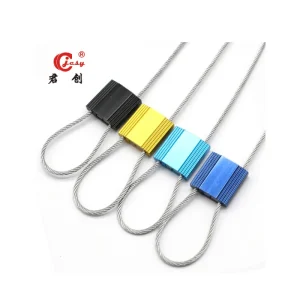
Metal cable seals use a galvanized or stainless steel cable combined with an aluminum or plastic locking body. The cable slides through a one way locking jaw inside the body and is adjustable. When properly installed, the cable cannot be pulled back out. Tensile strength ranges from 100 kg to over 1,000 kg, depending on cable diameter and body design. ISO 17712 certified high security cable seals must meet specific tensile and tamper resistance standards.
| Feature | Plastic Seal | Cable Seal |
|---|---|---|
| Material | Polypropylene, nylon | Steel cable, aluminum body |
| Typical tensile strength | 15–30 kg | 100–1,000+ kg |
| Adjustability | Pull tight, non adjustable | Adjustable cable length |
| Locking mechanism | One way jaw in head | One way jaw in body |
| Common applications | Truck doors, meters, totes | Containers, tankers, high value cargo |
| Compliance | Not ISO 17712 high security | Can meet ISO 17712 high security |
These physical differences set the baseline, but what really separates the two types is how they reveal tampering attempts.
How Do Tamper Evidence Mechanisms Compare?
Tamper evidence is the whole point, so the way each seal communicates a breach determines its value on the ground.
Plastic seals rely on visible damage. The strap fractures if cut. The locking head cracks if pried. An inspector can spot a broken seal instantly. The weakness is that a determined individual might bypass the seal entirely by cutting the strap and reattaching it with adhesive, though this leaves subtle tool marks that a thorough inspection catches. In low risk domestic logistics, this visual check is usually sufficient.
Cable seals take tamper evidence further. The steel cable resists cutting, and even if cut, the severed end cannot be reinserted into the body without leaving insert marks or misalignment. The locking body itself shows tool marks if someone attempts to drill or pry the internal jaw. Inspection requires checking not only for cable continuity but also for body integrity, slight scratches around the entry hole, or off center cable alignment. A quick glance is not enough, but the residual evidence is far clearer than on plastic.
Factory quality control also matters here. In our production line, a cable seal body with inconsistent jaw hardness can fail to retain the cable under moderate pulling force, creating a silent failure that no inspector can catch without physically pulling the seal. This kind of latent risk does not show up in a product photo, but it directly determines whether the tamper evidence claim holds up in a real shipment.
Operational Factors That Affect Seal Performance
A seal that works perfectly on a test bench can fail in the field because the operating environment was never part of the selection criteria. This is where most comparison guides stop short.
Locking point compatibility is the first filter. Plastic seals require a small diameter hole, typically 2 to 4 mm. Many cargo door hasps are larger, so the seal strap cannot thread through or fits loosely. A loose seal invites prying. Cable seals handle oversized latch holes easily because the cable loops through almost any opening. This single mechanical detail eliminates plastic seals from a surprising number of container and trailer applications without anyone realizing the mismatch during procurement.
Inspection frequency changes the requirement. A truck trailer returning to a depot every evening gets a daily seal check. A shipping container moving through three ports over six weeks may see its seal inspected only twice during that period. The longer the gap between inspections, the more the seal must withstand sustained tampering attempts. Plastic seals degrade under prolonged vibration. Over a long haul, the constant rubbing against a hasp can thin the strap, making it easier to cut later.
Environmental exposure also narrows the choice. Polypropylene plastic seals become brittle under prolonged UV or freezing temperatures. A plastic seal on a truck running northern routes in winter can snap during normal handling, creating a false alarm or worse, a compromised load. Cable seals with a galvanized finish handle weather far better, though in marine environments stainless steel cable becomes necessary to avoid corrosion weakening the strand.
Supplier consistency amplifies all of these environmental factors. A seal produced with recycled plastic can have half the rated tensile strength. A cable seal with an oversized jaw tolerance can slip at 60% of the rated load. In my experience managing production batches, these variations are common when buyers chase the lowest per unit price without checking factory quality records.
Cost, Compliance, and Choosing a Reliable Supplier
Price per seal drives many initial decisions. Plastic seals typically cost under 0.10 USD in bulk, while cable seals range from 0.50 to 3.00 USD depending on cable diameter, body material, and certification. On a 10,000 unit order, the difference is substantial. But purchase price must account for replacement cost and security failure cost.
A plastic seal that breaks during transit forces a re inspection stop that can delay a truck by hours. A cable seal with a faulty locking body can allow partial access that goes undetected until cargo arrives short. These hidden costs multiply quickly. I have seen logistics programs switch suppliers after two or three inconsistent batches, even when the unit price looked attractive at the start.
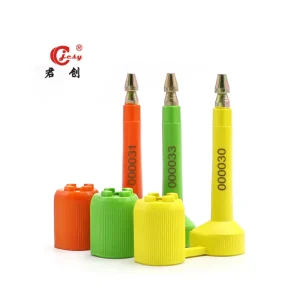
Compliance also pushes the decision toward cable seals for cross border and high security lanes. ISO 17712 requires a cable seal to survive an impact test and demonstrate defined tensile strength, alongside a strict security marking regime. Plastic seals rarely earn this certification. Customs agencies in many regions now expect high security seals on containerized imports. If your buyer or shipping line requires an ISO 17712 seal, plastic is off the table.
Evaluating a seal supplier means verifying more than the certificate on the website. Ask for a batch test record that shows measured tensile strength and locking body breakaway force for the last three production runs. A factory that cannot produce these records is blending materials or running uncontrolled processes. In our own facility, every batch leaves with a QR coded inspection report, because buyers who verify quality before ordering are the ones who stay.
What to Do Next to Secure Your Cargo
Plastic seals are not inferior, they are purpose built for low risk, short transit, high visibility duty. Cable seals exist for lanes where the loss of a single shipment justifies a higher per unit cost and where customs compliance demands certified security. Matching the seal to the actual threat means looking at your locking points, your inspection schedule, and the weather your cargo rides through.
If your current seal program has not been reviewed against these operational conditions, a quick audit of the last five shipments will surface mismatches. We can help with that. Send your application details and likely order quantity to [email protected], or reach us on mobile at +86 13853189290, and I will share a seal configuration that fits your lanes and your budget.
What Buyers Often Ask About Plastic Seal and Cable Seal Selection
Can I use plastic seals on container shipments?
If the container travels domestically and the cargo value is low, a plastic seal can work as a custody indicator. For cross border, high value, or long transit lanes, a plastic seal does not meet the physical resistance level most insurers and customs authorities expect. Use a cable seal or bolt seal for containerized freight.
Do all cable seals meet ISO 17712?
No, only cable seals that have been independently tested against the standard’s mechanical requirements earn the certification. When buying, request the ISO 17712 certificate from a recognized testing body, not just a manufacturer’s claim. Without that certificate, customs may reject the seal even if it appears identical to a certified model.
Which seal is easier to inspect quickly?
Plastic seals take seconds to check: is the strap intact, is the head still locked. Cable seals require checking the cable for cuts, the body for tool marks, and alignment of the cable entry. Both are straightforward, but cable seal inspection takes slightly longer and should be part of a documented security protocol.
Why do some plastic seals break during installation?
Inconsistent material composition is the most common cause. Plastic seals made from recycled or low grade polypropylene can crack when pulled to the lock point. A good batch will cinch smoothly with even resistance. If installation breakage exceeds 2% in a batch, the material or molding process needs review.
How do I confirm a seal manufacturer can deliver consistent quality?
Request three consecutive batch inspection records showing tensile strength, locking body integrity, and marking clarity. A manufacturer with disciplined production control can produce these reports in hours. If the response is vague or delayed, treat it as a supply chain risk indicator. When you are ready to evaluate specific seal samples, share your requirements with us at [email protected], and we will send matched samples with full test documentation.
If you’re interested, check out these related articles:
How to Identify Tampered Security Seals: A Professional Guide – Junchuang Lock
Preserving Security Seal Integrity: A Storage Best Practices Guide – Junchuang Lock
What is an Animal Ear Tag: Essential Livestock Identification Systems – Junchuang Lock