
Cable seals have become one of those security tools I find myself recommending constantly, regardless of the industry a client operates in. The concept is deceptively simple—a steel cable that locks permanently into a housing—but the reliability they deliver for protecting assets and maintaining supply chain integrity is remarkable. When a seal shows signs of tampering, you know immediately that something went wrong, and that certainty is worth more than most people realize until they actually need it.
What Makes Cable Seals Work as Security Devices
Cable seals function as tamper-evident protection through a straightforward but effective design. A flexible steel cable attaches permanently to a locking mechanism, and any attempt to open or manipulate the seal leaves obvious visual evidence. Working with these seals daily at Junchuang Lock Industry has reinforced my appreciation for how their effectiveness stems from both their tamper evident properties and their physical construction. The high tensile strength built into these seals means defeating them without specialized tools is genuinely difficult. Sequential numbering and barcoding options add another layer of value for asset tracking and theft prevention.
The Physical Structure Behind the Security
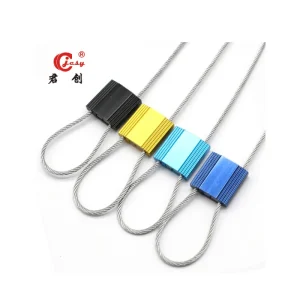
Three components make up every cable seal: the steel cable itself, the main body, and the one-way locking head. Galvanized steel cables provide the primary physical barrier against unauthorized access. The locking head—typically constructed from aluminum or ABS plastic—contains an irreversible one-way mechanism that grips the cable when inserted and prevents any retraction. This combination of materials and engineering creates a locking mechanism that holds up under real-world conditions.
Why Tampering Always Leaves Evidence
The tamper-evident design operates on a principle that makes concealment nearly impossible. Once a cable seal locks into place, removal requires physical destruction. Cutting the cable or forcing the locking mechanism produces visible damage that cannot be hidden or repaired. This characteristic creates a reliable audit trail and provides unique identification for every secured item, building tamper resistance into the fundamental operation of the seal.
Operating Principles and Practical Application Methods
Cable seals work through a mechanism that balances simplicity with genuine security, and understanding this operation matters for getting consistent results. The functionality carries through from the initial locking procedure to final removal, and proper technique at each stage determines how well the seal performs its job.
How the Locking Mechanism Prevents Bypass Attempts
The one-way locking system sits at the heart of every cable seal’s operation. Threading the steel cable through the locking body engages internal locking jaws that create an irreversible, self-locking grip. This design blocks any attempt to pull the cable back out—trying to retract it only tightens the grip further. The anti-bypass characteristics built into this mechanism make the tamper-evident capability genuinely reliable rather than theoretical.
Getting Installation Right the First Time
Installation technique directly affects how well a cable seal protects whatever it secures.
- Thread the cable through the designated apertures on the item being secured.
- Insert the free end of the cable into the locking body.
- Pull the cable firmly until it sits taut, eliminating any slack.
- Test the lock by attempting to pull the cable back out—it should not move at all.
- Record the unique serial number for audit purposes and traceability.
Following this installation guide consistently ensures maximum security and supports a robust verification process that strengthens overall supply chain security.
Industrial Applications Across Different Sectors
Industrial cable seals serve an impressive range of applications because their design adapts well to different security challenges. From logistics security operations to cargo security requirements, these seals protect diverse assets effectively. Manufacturing cable seals for various secure transport needs has shown me how versatile the basic design can be when specifications match the application.
Meeting International Security Certification Requirements
High-security cable seals engineered to meet ISO 17712 and C-TPAT standards occupy a specific category within the broader market. These certifications matter enormously for international shipping and customs compliance. The construction of certified seals typically includes thicker cables and stronger locking mechanisms designed to withstand significant breaking strength. This enhanced tamper resistance makes them particularly suitable for freight security applications, especially when securing container seals and high-value cargo. Junchuang Lock Industry produces ISO 17712 Cable Seal that satisfy these rigorous requirements.
| Application Type | Typical Cable Diameter | Key Feature | Industries Served |
|---|---|---|---|
| Container Security | 3.5mm – 5.0mm | ISO 17712 Certified | Shipping, Logistics, Customs |
| Truck & Trailer | 2.5mm – 3.5mm | Customizable Lengths | Transportation, Retail |
| Chemical Drums | 1.8mm – 2.5mm | Corrosion Resistance | Chemical, Pharmaceutical |
| Airline Cargo | 1.5mm – 2.5mm | Lightweight, Durable | Aviation, Air Freight |
| Utility Meters | 1.0mm – 1.8mm | Fine Wire, Tamper-Evident | Utilities (Electric, Water, Gas) |
Practical Advantages of Quality Cable Seal Implementation
Implementing quality cable seal solutions delivers benefits that extend well beyond preventing theft. The advantages touch multiple aspects of supply chain management and risk mitigation, and understanding these benefits helps justify the investment in proper security measures.
High-quality cable seals contribute directly to supply chain security by creating a verifiable deterrent against unauthorized access. They provide asset protection for goods during transit or storage, reducing losses from pilferage and tampering. The clear visual evidence of tampering proves invaluable for maintaining audit trails and supporting inventory control. This transparency allows businesses to identify security breaches quickly and accurately.
Certified cable seals also ensure regulatory compliance, particularly for international shipments that must adhere to standards like ISO 17712. Meeting these requirements protects brand reputation and avoids potential penalties. Minimizing losses and streamlining audit processes improves operational efficiency across the organization. Investing in reliable security seals like those from Junchuang Lock Industry mitigates risk and builds long-term trust throughout the supply chain.
Matching Cable Seal Specifications to Security Requirements
Selecting the right cable seal requires careful evaluation of several factors, and getting this decision wrong undermines the entire security strategy. The selection process should account for the specific conditions and risks each application presents.
Start by assessing what level of security the application actually demands. Consider both the value of the assets being secured and the realistic risks they face. The required breaking strength depends on the force the seal might encounter during normal handling or deliberate attack. Cable diameter and length requirements follow from the physical characteristics of the securing points—thicker cables generally offer higher security, while length flexibility accommodates different configurations. Material durability becomes critical when seals will face harsh environmental factors like extreme temperatures, moisture, or corrosive substances.
Customization options add both security and branding value. Sequential numbering, barcoding, and company logos all serve practical purposes beyond appearance. Choosing a supplier with proven reliability and strong quality assurance practices matters as much as the specifications themselves. A reputable manufacturer like Junchuang Lock Industry provides expert guidance and cost-effectiveness while ensuring the selected cable seal actually matches the operational requirements.
Frequently Asked Questions About Cable Seals
What distinguishes a high-security cable seal from standard options?
High-security cable seals feature robust construction with steel cables and tamper-resistant locking mechanisms that meet international standards like ISO 17712. They withstand significant force and display clear evidence of tampering, making unauthorized access immediately detectable. This level of cargo security requires both material quality and certified design specifications.
Are cable seals designed for multiple uses?
Cable seals are strictly single-use devices. Once applied and locked, the cable cannot be retracted, and removal requires physically cutting the seal. This tamper-evident design ensures that any attempt to open or reuse the seal produces visible evidence, maintaining the integrity of the secured item and preventing theft through reapplication of compromised seals.
What steps ensure proper cable seal installation?
Thread the cable through the item being secured—container door latches, valve handles, or similar attachment points—then pull the cable firmly through the locking body until it sits taut with no slack. Verify the seal is securely locked by attempting to pull the cable back out. Record the unique serial number for audit purposes and enhanced supply chain security.
Which industries rely most heavily on cable seals?
Cable seals serve industries requiring high security and tamper evidence across their operations. Logistics and shipping companies use them for containers and trailers. Transportation sectors including rail and air cargo depend on them. Utilities secure meters and valves with cable seals. Oil and gas, chemical industries, and retail operations all use them for securing high-value goods, making them essential for effective asset protection.
How should I determine the right cable seal length and diameter?
Application requirements drive both decisions. Consider the size of the apertures needing security and the breaking strength the situation demands. Longer cables provide flexibility for various configurations, while thicker diameters deliver higher security and breaking strength. Consulting with a reputable manufacturer like Junchuang Lock Industry provides expert guidance based on specific security requirements and industrial applications.
Partner with Junchuang for Advanced Security Solutions
For over two decades, Shandong Junchuang Lock Industry Co., Ltd. has been at the forefront of designing and manufacturing advanced security sealing solutions. Our comprehensive range, including high-security cable seals, plastic seals, and bolt seals, is engineered to meet the most stringent international standards like ISO 17712. Protect your assets, ensure supply chain integrity, and achieve peace of mind with Junchuang’s proven expertise. Contact our specialists today for a personalized consultation and discover how our tailored sealing solutions can fortify your operations.
Mobile: +86 13853189290
Email: [email protected]
Whatsapp: +86 13853189290