
Cargo security isn’t something you think about until something goes wrong. A container arrives with a broken seal, inventory doesn’t match the manifest, and suddenly you’re dealing with insurance claims, customs delays, and questions about where the breach occurred. High security bolt seals exist precisely to prevent that scenario. These devices do more than lock a door—they create an unbroken chain of accountability from origin to destination. For anyone moving freight across borders or handling valuable goods, they’re the baseline for protecting shipments and meeting the regulatory standards that govern international trade.
What Separates High Security Bolt Seals From Standard Locking Devices
High security bolt seals are engineered specifically for cargo containers, trailers, and railcars. They function as both a physical barrier and a tamper-evident indicator, meaning any attempt to breach them leaves visible evidence. The distinction between these seals and ordinary locks comes down to construction standards and testing protocols. Shandong Junchuang Lock Industrial Co., Ltd manufactures these devices with full integration of design, development, and production processes, ensuring each seal meets the benchmarks that international shipping demands.
ISO 17712 sets the rules here. This international standard defines how mechanical freight container seals should perform, classifying them into three tiers: Indicative, Security, and High Security. Only seals earning the “High Security” designation qualify for programs like C-TPAT, the Customs-Trade Partnership Against Terrorism that governs containers entering the United States. The C-TPAT requirements are explicit—ISO 17712 compliant high security seals are mandatory, not optional. The seal’s hardened steel construction resists cutting and prying, while the design ensures that any tampering attempt becomes immediately obvious during inspection.
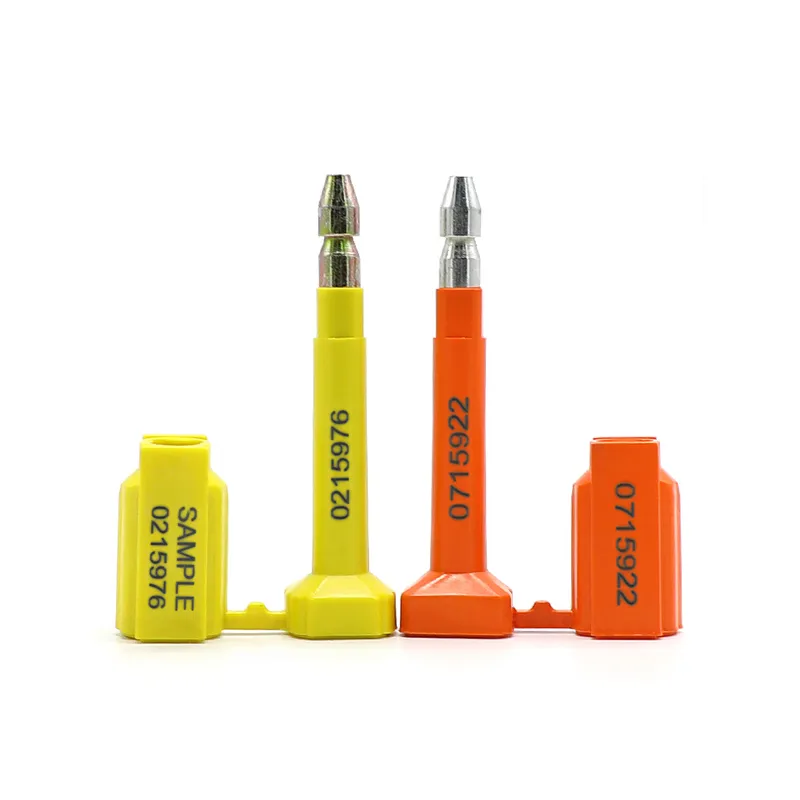
What makes a bolt seal “high security” compared to other seals?
The difference lies in materials and testing rigor. A high security bolt seal uses a hardened steel pin and barrel, typically coated with ABS plastic for additional protection and clear visual inspection. Indicative seals—the kind you might see on utility meters—only show whether something has been opened. They offer no real resistance to someone determined to get inside. High security seals undergo tensile strength and shear resistance testing to verify they can withstand substantial force before failing. This robust locking mechanism provides the tamper resistance needed when cargo value or regulatory compliance is at stake.
| Feature | High Security Bolt Seal | Indicative Seal |
|---|---|---|
| Material | Hardened Steel, ABS | Plastic, Thin Metal |
| ISO 17712 Class | H (High Security) | I (Indicative) |
| Tamper Resistance | High | Low |
| Removal Method | Bolt Cutters | Hand, Simple Tools |
| Application | International Shipping | Internal Logistics |
Situations Where High Security Bolt Seals Become Non-Negotiable
Certain shipping scenarios leave no room for compromise on seal quality. The financial and reputational consequences of a breach can far exceed the cost of proper security measures. Shandong Junchuang Lock Industrial Co., Ltd supplies seals for exactly these high-stakes applications.
Intermodal transport presents the clearest case. A container moving from a factory in Asia to a distribution center in Europe passes through multiple ports, rail yards, and truck terminals. Each handoff creates an opportunity for unauthorized access, making a robust Container Bolt Seal the first line of defense. Cross-border movements add customs scrutiny to the equation—inspectors look for intact seals as proof that cargo hasn’t been tampered with since loading. High-value shipments amplify the stakes. Electronics, pharmaceuticals, and luxury goods attract theft precisely because they’re worth stealing. Railcar security and truck seals serve similar functions, preventing access during the long stretches when cargo sits unattended. A strong, tamper-evident seal doesn’t just deter criminals—it provides the documentation needed when something does go wrong.
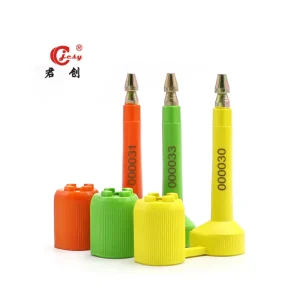
Are high security bolt seals mandatory for international shipping?
The answer depends on destination and program enrollment. C-TPAT requirements make ISO 17712 compliant seals mandatory for containers entering the United States. The World Customs Organization’s SAFE Framework promotes similar standards globally. Even where regulations don’t explicitly require high security seals, their use often determines how smoothly cargo clears customs. Shipments with proper seals face fewer inspections and shorter delays. For companies moving freight internationally, the question isn’t whether to use these seals—it’s whether the risk of not using them is worth the potential consequences.
Matching Seal Specifications to Shipping Requirements
Choosing the right high security bolt seal requires matching device characteristics to specific cargo and route conditions. Shandong Junchuang Lock Industrial Co., Ltd works with clients to evaluate these factors and identify the most effective protection for each application.
Material composition matters most. A quality bolt seal combines a steel pin and barrel with an ABS plastic coating that shows tampering clearly. The serial numbers stamped or laser-etched onto each seal create an audit trail linking the physical device to shipping documentation. Customization options allow companies to add logos, color coding, or barcode integration for easier tracking. Proper application technique determines whether the seal actually provides security—a seal that isn’t fully engaged offers little protection. Security audits should periodically test whether current seals and procedures match evolving threat levels. Single-use design prevents any possibility of resealing a container after unauthorized access.
How can I verify the authenticity and integrity of a bolt seal?
Start with the serial number. It should match the number recorded in shipping documents exactly. Visual inspection comes next—look for cuts, heat marks, evidence of re-welding, or chemical damage to the plastic coating. The locking mechanism should be fully engaged with no visible gaps between the pin and barrel. Any sign that the seal has been removed and reattached indicates a breach. Training personnel to recognize these indicators and establishing clear inspection protocols at both origin and destination creates the verification system that makes seals effective.
Procedures That Make Bolt Seals Actually Work
A seal sitting in a drawer provides no security. Effective protection requires systematic procedures covering every stage from storage through disposal. Shandong Junchuang Lock Industrial Co., Ltd advises clients on implementing these practices.
- Secure Storage: Keep seals in a locked area with controlled access. Stolen seals can be used to reseal containers after theft.
- Controlled Issuance: Record each seal’s serial number when issued, along with the assigned shipment and responsible personnel.
- Proper Application: Train staff on correct installation. The seal must be fully engaged with tamper-evident features activated.
- Verification at Origin: Inspect immediately after application to confirm proper placement and record the seal condition.
- In-Transit Monitoring: Integrate seal serial numbers into tracking systems so the information travels with the shipment.
- Verification at Destination: Check the seal before opening. Compare the serial number against documentation and inspect for tampering.
- Secure Removal: Use appropriate bolt cutters and document the removal, noting any irregularities.
- Disposal: Destroy removed seals to prevent any possibility of reuse or counterfeiting.
- Regular Audits: Review seal inventory and procedures periodically to identify gaps before they become problems.
This systematic approach closes the vulnerabilities that exist between seal application and final inspection.
How Bolt Seals Fit Into Broader Security Strategy
High security bolt seals work best as part of a layered security approach rather than a standalone solution. They provide the physical evidence that connects loading dock procedures to delivery verification, creating accountability across the entire logistics chain.
The seals directly support compliance programs like C-TPAT by meeting the specific requirements those programs mandate. Beyond compliance, they serve as a deterrent—criminals looking for easy targets move on when they see robust security measures in place. The tamper evidence these seals provide becomes critical when investigating discrepancies. If a seal is intact, the breach happened before sealing or after authorized removal. If the seal shows tampering, the investigation focuses on transit. This clarity protects companies from unfounded claims and helps identify where security improvements are needed. For organizations managing complex supply chains, these seals represent a practical investment in operational continuity.
Strengthen Your Cargo Protection
Shandong Junchuang Lock Industrial Co., Ltd manufactures a full range of ISO 17712 compliant security seals, including plastic, cable, meter, and metal strap options alongside high security bolt seals. Each product is designed for the specific demands of freight security. Contact our team at +86 13853189290 or [email protected] to discuss your requirements and find the right solution for your shipping operations.
Frequently Asked Questions About High Security Bolt Seals
What makes a bolt seal “high security” compared to other seals?
A high security bolt seal earns that designation through ISO 17712 compliance, which requires specific material standards and performance testing. The hardened steel construction and ABS plastic coating create tamper-evident features that resist forced entry while making any breach attempt visible. This seal strength distinguishes it from indicative seals that only show whether a container has been opened without providing real physical resistance.
Are high security bolt seals mandatory for international shipping?
Requirements vary by destination and program. C-TPAT requirements mandate these seals for cargo entering the United States, and similar standards apply under various customs security frameworks globally. Even where not strictly required, high security bolt seals reduce inspection delays and demonstrate due diligence for high-value shipments under international shipping regulations.
How can I verify the authenticity and integrity of a bolt seal?
Verification starts with serial number tracking—the number on the seal must match shipping documentation exactly. Physical inspection should check for signs of tampering including cuts, heat damage, chemical alteration, or evidence of resealing. The locking mechanism should be fully engaged with no gaps. Regular security inspection procedures and staff training on anti-tampering measures make this verification reliable.
What are the common types of high security bolt seals and their applications?
High security bolt seals typically feature fixed-length designs optimized for specific applications. Container seals secure shipping containers during ocean and intermodal transport. Truck seals protect trailer doors during road transport. Railcar seals serve similar functions for rail freight. The common thread is the need for maximum physical security and clear tamper evidence during extended transit periods.
How do high security bolt seals contribute to C-TPAT compliance?
C-TPAT compliance specifically requires ISO 17712 compliant high security bolt seals for containers entering the United States. Using these seals demonstrates adherence to the program’s supply chain security standards, which can result in reduced inspections, faster customs processing, and recognition as a trusted trading partner under customs security initiatives.