
Global logistics networks lose billions annually to cargo theft and tampering. The numbers are staggering, and they keep climbing. For anyone managing freight movement, the question isn’t whether to invest in security seals—it’s which ones actually deliver the protection they promise. High security bolt seals sit at the center of this decision, and getting it wrong means more than just financial loss. It means compromised supply chains, regulatory headaches, and the kind of operational disruptions that ripple through entire business quarters.
What Separates High Security Bolt Seals From Standard Options
High security bolt seals do more than signal when someone has tampered with a container. They actively resist sophisticated break-in attempts through engineering that standard seals simply cannot match. The distinction matters because criminals have evolved. They know how to defeat basic tamper evidence without leaving obvious traces.
The defining line is ISO 17712 certification. Only seals that pass this standard’s rigorous testing qualify as genuine high security products for container security and freight security applications. These seals must withstand specific force thresholds and resist specialized cutting tools. The certification process involves physical testing that weeds out products relying on marketing claims rather than actual performance.
Understanding the various locking mechanisms and bolt seal types available helps narrow down which products fit specific operational needs. Not every high security bolt seal performs identically, even within the certified category.
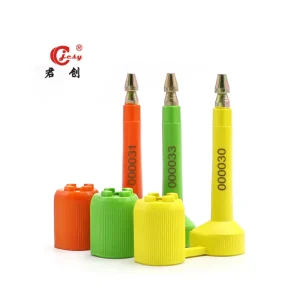
What Makes a Certified High Security Seal Different
Certified high security bolt seals share several non-negotiable characteristics. The materials must be high-strength, typically steel, creating genuine barriers to unauthorized removal rather than mere inconveniences. These are non-reusable seals by design—once opened, they cannot be reapplied without leaving unmistakable evidence of interference.
Every seal carries unique identification through serial numbers, enabling precise traceability throughout the shipping process. These security features work together to both deter tampering attempts and detect them when they occur. The combination creates accountability at every handoff point in the logistics chain.
ISO 17712 and C-TPAT Compliance Requirements
Compliance with international standards shapes which high security bolt seals work for specific operations. Getting this wrong creates real consequences: shipment delays, customs fines, and damage to business relationships that took years to build. C-TPAT certified companies benefit from fewer customs inspections, which translates directly into faster international shipping and lower operational costs.
Manufacturers demonstrate compliance through formal audits and certification from recognized bodies. This verification process matters because the market includes products that claim compliance without actually meeting the standards.
ISO 17712 vs. C-TPAT Requirements Compared
| Feature | ISO 17712:2013 | C-TPAT Certification |
|---|---|---|
| Focus | Seal construction, strength, tamper evidence | Broader supply chain security, including seal usage |
| Requirement | Physical testing of seals | Self-assessment, risk analysis, security criteria |
| Seal Type | Specifies “High Security” (H) class seals | Mandates ISO 17712 compliant high security seals |
| Benefit | Ensures seal integrity and resistance | Expedited customs processing, reduced inspections |
| Applicability | Global standard for mechanical seals | U.S. Customs and Border Protection (CBP) program |
How ISO 17712 Defines High Security Performance
ISO 17712 establishes the international benchmark for mechanical seals through three classification levels: ‘I’ (Indicative), ‘S’ (Security), and ‘H’ (High Security). For bolt seals protecting cargo containers, only the ‘H’ classification meets the threshold for genuine security applications.
The standard specifies exact testing protocols for tensile strength, shear strength, and tamper resistance. These aren’t arbitrary numbers—they reflect the force levels that real-world tampering attempts generate. Seals that pass these tests provide measurable protection rather than theoretical security.
C-TPAT Requirements Beyond the Seal Itself
C-TPAT membership requires high security seals meeting or exceeding ISO 17712 standards, but the program encompasses more than just seal selection. Companies must demonstrate comprehensive supply chain security practices, with seal usage forming one component of a broader security framework.
This means not every ISO 17712 compliant high security bolt seal automatically satisfies C-TPAT requirements. The seal must integrate into documented security procedures that address the program’s full scope of criteria.
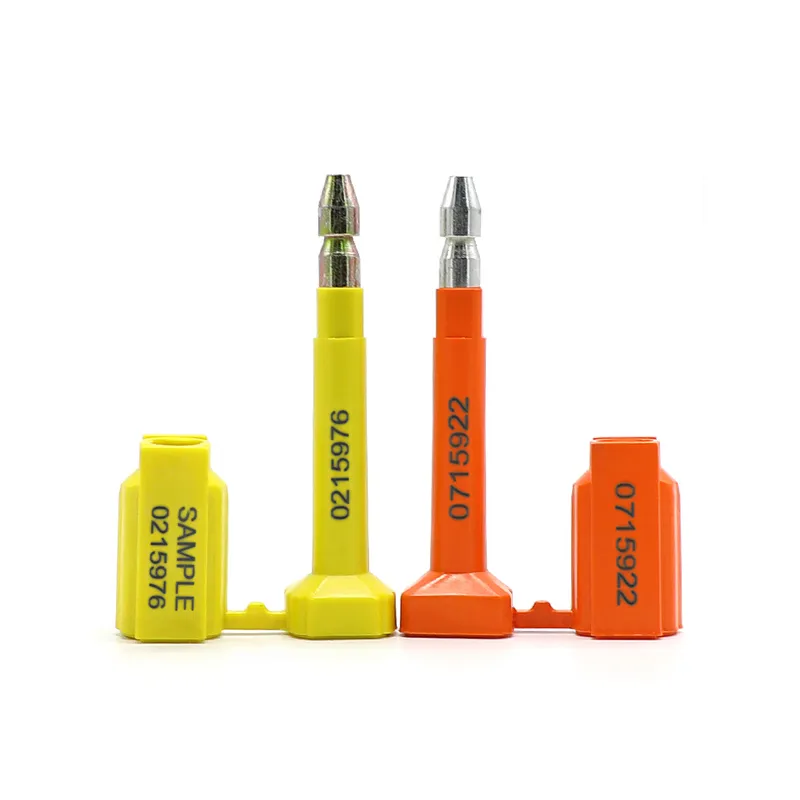
Material, Design, and Identification Features That Matter
Selecting effective high security bolt seals requires evaluating three interconnected factors: material strength, structural design, and identification capabilities. Standard high security bolt seals use steel pin and barrel construction because steel provides superior resistance to cutting and breaking compared to alternative materials. The locking mechanisms must prevent removal without tools that leave obvious evidence of tampering.
Identification features deserve equal attention. Unique serial numbering creates an audit trail for every seal deployed. Barcode tracking extends this capability into digital logistics systems, enabling automated verification and record-keeping. Weather resistance and overall durability determine whether seals maintain their protective function throughout transit—a seal that degrades in harsh conditions offers false confidence rather than real security.
Different application environments present different vulnerability points. Seals protecting refrigerated containers face different stresses than those on standard dry freight. Matching seal specifications to actual operating conditions improves both security outcomes and cost-effectiveness.
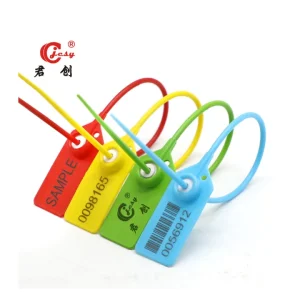
Environmental Factors That Affect Seal Performance
High security bolt seals encounter diverse conditions during transit. Temperature extremes—from freezing cargo holds to sun-baked container yards—stress materials in ways that can compromise seal integrity over time. UV exposure weakens certain plastics and coatings, making UV-resistant formulations essential for seals that spend extended periods outdoors.
Corrosive environments present additional challenges. Saltwater exposure during ocean shipping and contact with industrial chemicals can degrade seal components. Shandong Junchuang Lock Industrial Co., Ltd. manufactures seals specifically engineered for extended service life under these demanding conditions.
Proper Implementation and Verification Procedures
Even the highest-quality seal fails if applied incorrectly. Research indicates that roughly 40% of tampering incidents trace back to improper seal application rather than seal defects. This statistic underscores why implementation procedures matter as much as product selection.
Clear installation protocols form the foundation. Personnel need thorough training on correct application techniques—not just a quick demonstration, but comprehensive instruction that covers common errors and their consequences. Inspection protocols must extend throughout the logistics chain, with verification at each handoff point checking both physical seal condition and unique identifier accuracy.
Digital tracking systems amplify security effectiveness by enabling real-time monitoring of seal status across the entire shipment journey. A robust seal management system connects seal issuance, application records, and verification data into a unified view. Regular risk assessment identifies emerging vulnerabilities before they become security incidents.
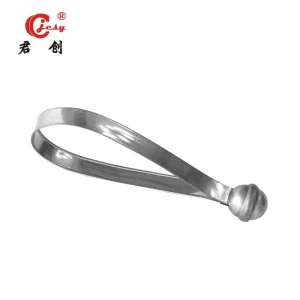
Working With Junchuang for Security Sealing Solutions
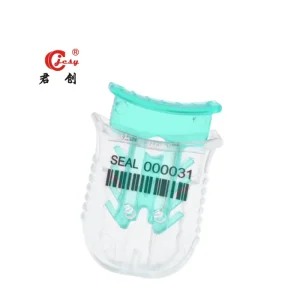
Shandong Junchuang Lock Industrial Co., Ltd. provides comprehensive security sealing solutions backed by integrated design, development, production, and sales capabilities. Our ISO 17712 compliant high security bolt seals represent one part of a broader product range that includes lead seals, Plastic Seals, cable seal, Meter Seal, and Metal Strap Seal.
Decades of manufacturing experience inform every product we deliver. We recognize that security requirements vary by application, which is why we offer custom solutions tailored to specific operational contexts. Our technical support team provides guidance from initial selection through implementation, helping ensure that products perform as intended in real-world conditions.
Making the Right Choice for Your Operations
Selecting appropriate high security bolt seals represents a strategic decision with direct implications for supply chain integrity and cargo theft prevention. Prioritizing ISO 17712 compliance, C-TPAT alignment where applicable, and appropriate material and design specifications creates measurable security improvements. The investment in proper sealing solutions protects assets while supporting the operational continuity that modern logistics demands.
Strengthen Your Supply Chain Security
Shandong Junchuang Lock Industrial Co., Ltd. manufactures ISO 17712 compliant bolt seals, cable seals, and a complete range of tamper-evident products engineered for demanding security applications. Contact our team to discuss your specific requirements and identify the sealing solutions that match your operational needs. Mobile: +86 13853189290 | Email: [email protected] | Whatsapp: +86 13853189290
Frequently Asked Questions About High Security Bolt Seals
How long can high security bolt seals maintain their integrity under different conditions?
Seal lifespan varies based on material composition, environmental exposure, and specific application demands. Junchuang seals use high-strength steel and durable plastics formulated to resist temperature extremes, UV radiation, and corrosive agents. Selecting the right seal for your specific environment determines whether you get optimal performance or premature degradation. Manufacturer specifications provide expected lifespan data for different operating conditions.
When should operations use bolt seals versus cable seals?
High security bolt seals and cable seals address different security scenarios. Bolt seals provide rigid protection suited for shipping containers and truck trailers, delivering high resistance against forced entry attempts. Cable Security Seals offer flexibility for irregular closures, rail cars, and tank trucks where rigid seals cannot be applied effectively. Both seal types can achieve ISO 17712 compliance, and Junchuang manufactures high-quality versions of each for different operational requirements.
Does ISO 17712 compliance automatically satisfy C-TPAT requirements?
ISO 17712 compliance is necessary but not sufficient for C-TPAT participation. C-TPAT certification encompasses broader supply chain security measures that extend well beyond seal selection. Companies must implement comprehensive security protocols covering personnel, facilities, and procedures. Junchuang high security bolt seals meet ISO 17712 standards, making them appropriate for C-TPAT partners when integrated into a complete security program.
What implementation errors most commonly compromise bolt seal security?
The most frequent problems include incorrect application technique, deploying damaged seals, and failing to document serial numbers at each handoff point. Skipping inspection during transit and using seals not matched to the application environment also create vulnerabilities. Proper training, consistent verification procedures, and adherence to documented security protocols prevent these errors and ensure high security bolt seals deliver their intended protection.