
When I first started evaluating security seals for industrial applications, the sheer variety of materials available felt overwhelming. Over time, working with different seal types across shipping, utilities, and warehousing taught me that material choice isn’t just a technical specification—it’s the foundation that determines whether a seal actually does its job or just looks like it does.
Why Material Properties Matter More Than Most Buyers Realize
The effectiveness of any security seal comes down to a handful of core material properties that interact in ways that aren’t always obvious. Tensile strength measures how much pulling force a seal can withstand before breaking. Elasticity determines whether a material can flex under stress and return to shape, or whether it will crack and show clear evidence of manipulation. Chemical resistance becomes critical when seals encounter fuel, cleaning agents, or industrial solvents—materials that degrade quickly in these conditions become security liabilities. Environmental factors like UV exposure and temperature swings affect seals differently depending on their composition. A seal that performs perfectly in a climate-controlled warehouse might fail within months on an outdoor shipping container.
| Property | Plastic Seals (e.g., Polypropylene) | Metal Seals (e.g., Steel) |
|---|---|---|
| Tensile Strength | Moderate | High |
| Elasticity | High | Low |
| Chemical Resist. | Good | Excellent |
| UV Stability | Varies (can be enhanced) | Excellent |
| Temperature Tol. | Moderate | High |
Plastic Security Seals Work Best When Visual Evidence Is the Priority
Plastic Seals dominate high-volume applications where cost matters and the primary goal is detecting tampering rather than preventing it outright. The polymer compounds used in these seals can be engineered with specific breaking points—areas designed to fracture cleanly when someone attempts removal, leaving unmistakable evidence. UV-stabilized formulations extend outdoor service life significantly, which matters for seals that might sit on equipment or containers for weeks before inspection. The design flexibility of plastic allows manufacturers to incorporate sequential numbering, barcodes, and company branding directly into the seal body. This combination of tamper evidence and traceability at a low per-unit cost makes plastic seals practical for applications ranging from airline catering carts to retail inventory controls.
What Makes Certain Plastics Suitable for High-Security Bolt Seals
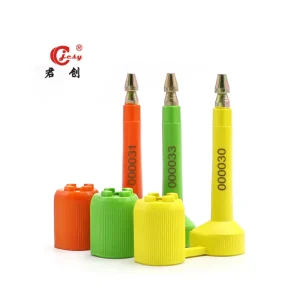
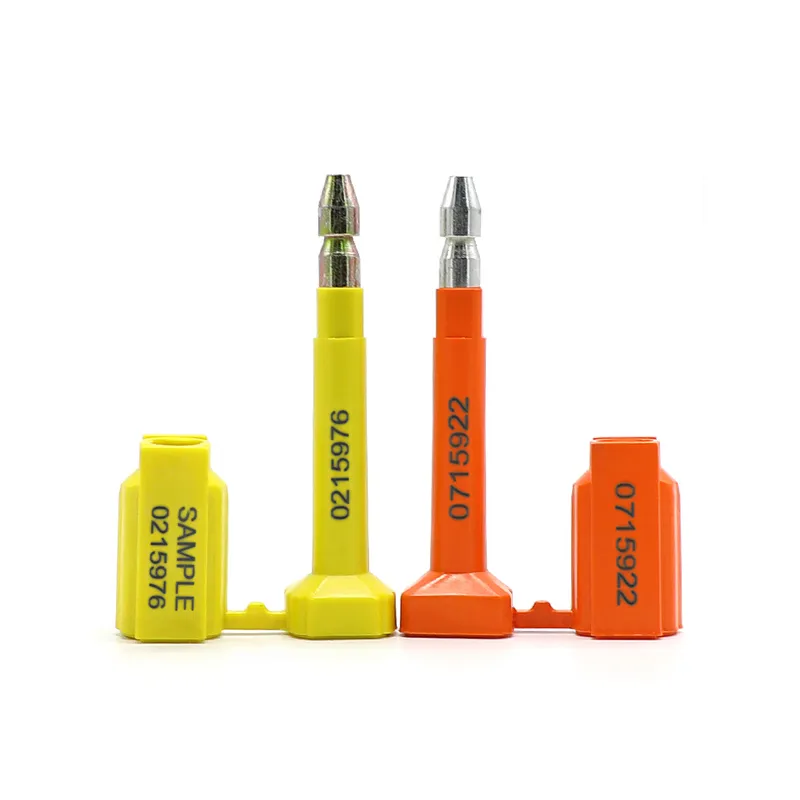
High-security bolt seals rely primarily on metal for their core strength, but engineering plastics play a supporting role in the outer casing and locking mechanisms. These plastic components need to withstand impact forces and environmental stress without cracking or degrading in ways that could mask tampering. The plastic elements often incorporate color-coding and serialization features that would be impractical to machine into metal. Testing protocols for high-security bolt seals evaluate both the metal core’s resistance to cutting and the plastic components’ ability to show clear evidence of any manipulation attempt.
Metal Seals Deliver Physical Resistance That Plastic Cannot Match
When the security requirement goes beyond detection to actual prevention of unauthorized access, metal seals strength becomes the deciding factor. Bolt seals, cable seals, and metal strap seals use alloys specifically chosen for their resistance to cutting, bending, and corrosion. A properly rated metal bolt seal requires industrial cutting tools to remove—the kind of equipment that’s difficult to conceal and impossible to use without leaving obvious evidence. Stainless steel and galvanized options maintain their integrity in marine environments where salt spray would quickly compromise lesser materials. International shipping standards like ISO 17712 exist specifically because the consequences of container tampering justify the higher cost of metal seals.
Specialized Materials Address Problems Standard Seals Cannot Solve
Some security challenges require materials that go beyond the plastic-versus-metal decision. RFID-embedded seals combine physical tamper evidence with electronic tracking, allowing verification without visual inspection and creating digital records of seal status throughout a supply chain. Composite materials blend the properties of different base materials—achieving combinations like high flexibility with extreme temperature tolerance that neither plastic nor metal alone can provide. Certain specialized formulations support forensic analysis, retaining microscopic evidence of tampering methods that can be examined after the fact. These advanced options cost more, but they solve specific problems that standard materials simply cannot address.
Selecting Materials for Extreme Temperature and Weather Exposure
Extreme weather demands materials that maintain both physical integrity and tamper-evident properties across wide temperature ranges. Specialized polymers with UV stabilizers handle prolonged sun exposure better than standard plastics, but they still have temperature limits. For the harshest conditions—arctic cold, desert heat, or constant marine exposure—stainless steel alloys remain the most reliable choice. The metal maintains consistent strength regardless of temperature, and quality stainless grades resist corrosion even with continuous salt water contact. Environmental resistance testing should simulate actual deployment conditions, not just laboratory extremes, to ensure real-world reliability.
Matching Material to Application Requires Honest Risk Assessment
The right material choice starts with an honest evaluation of what you’re actually protecting against. A Meter Seal on a residential utility meter faces different threats than a seal on an international shipping container—the meter seal primarily needs to show evidence of tampering, while the container seal needs to physically resist sophisticated breach attempts. ISO 17712 certification matters for international freight because customs authorities and insurance underwriters require it, but that same standard would be overkill for internal inventory controls. Cost-effectiveness means spending appropriately for the actual risk level, not defaulting to either the cheapest option or the most expensive one. The goal is matching security investment to the value and vulnerability of what’s being protected.
How Different Materials Create Different Barriers to Tampering
The tamper-prevention mechanisms vary significantly by material type. Brittle plastics fracture in characteristic patterns when stressed, creating visual evidence that’s difficult to conceal or repair. The specific polymer formulation determines whether the break is clean and obvious or subtle enough to miss during casual inspection. Metal seals like bolt seals for shipping containers resist tampering through sheer material strength—cutting through hardened steel requires time, noise, and specialized equipment that increases the risk of detection. Serial numbers, barcodes, and RFID tags add verification layers that make counterfeiting impractical even if someone manages to physically duplicate a seal’s appearance.
Partner with Junchuang Lock Industry for Robust Security Solutions
Elevate your supply chain integrity with expertly engineered security seals. Shandong Junchuang Lock Industry Co., Ltd. offers a comprehensive range of high-quality plastic, metal, and cable seals, designed for superior tamper evidence and compliance. Contact us today for a personalized consultation to select the ideal material and design for your specific security challenges. Our team is ready to provide tailored solutions that ensure the utmost protection for your assets. Reach us via Email: [email protected] or Mobile/Whatsapp: +86 13853189290.
FAQ
What is the primary difference in security between plastic and metal seals?
Plastic seals function primarily as tamper indicators—they show when someone has attempted access rather than preventing it. Metal seals, including bolt and cable seals, add physical resistance that requires industrial tools to defeat. For applications requiring ISO 17712 compliance, such as international container shipping, metal seals rated at the appropriate security level are mandatory.
Can security seal materials be customized for specific industry needs?
Yes, and customization often makes the difference between a seal that works and one that creates problems. Shandong Junchuang Lock Industry Co., Ltd. produces Customized Plastic Seal and Customized Cable Security Seal options with specific colors, serialization formats, barcode types, and RFID integration based on how the seal will actually be used in your operations.
How does material choice impact the tamper-evident features of a security seal?
Material determines what kind of evidence tampering leaves behind. Engineered plastics fracture in predictable ways that are difficult to disguise. Metals show tool marks, deformation, or cutting evidence that persists even if someone attempts to conceal the breach. The right material for your application is the one that produces tamper evidence your inspection process can reliably detect.