
Supply chain security isn’t something most people think about until something goes wrong. A broken seal on a container, a missing shipment, an insurance claim that drags on for months. I’ve seen companies lose more to a single tampering incident than they’d spend on seals in a decade. The choice between disposable and reusable security seals might seem like a minor procurement decision, but it shapes everything from your compliance posture to your environmental footprint. Getting it right means understanding what each type actually does well and where it falls short.
How Security Seals Actually Protect Your Cargo
Security seals work on a simple principle: they make unauthorized access visible. A properly applied seal creates tamper-evident seals that show clear signs of interference, whether that’s a snapped cable, a deformed bolt head, or a broken plastic body. This visual evidence matters because it shifts the burden of proof. When a seal arrives intact, everyone in the chain knows the cargo wasn’t accessed. When it’s compromised, you know exactly where to start investigating.
The market for these devices has grown substantially, with projections putting the global security seal market at $2.5 billion by 2027. That growth reflects real pressures: longer supply chains, more handoffs between parties, and increasingly sophisticated theft operations. Asset protection depends on seals that actually work under field conditions, not just in controlled testing environments. We manufacture a range of solutions, including plastic security seals and high security bolt seals, designed to perform when it matters.
Why Disposable Security Seals Dominate International Shipping
Disposable security seals get destroyed when you remove them. That’s the point. A Bolt Seals that’s been cut or a Cable Seals that’s been snapped tells an unmistakable story. No ambiguity, no need for forensic analysis. The seal either survived transit or it didn’t.
This clarity explains why over 80% of international container shipments use disposable bolt seals. Regulatory frameworks demand it, and insurers expect it. When cargo crosses multiple borders and passes through dozens of hands, you need tamper evidence that anyone can verify at a glance. plastic security seals serve similar purposes for lower-risk applications where the primary concern is detecting casual tampering rather than defeating determined attackers.
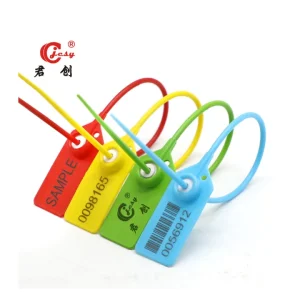
The cost structure favors disposable seals for most shipping applications. Individual units are inexpensive, and the administrative overhead of tracking reusable seals across international routes would quickly exceed any savings. For a container that travels from Shanghai to Rotterdam to Chicago, a disposable seal makes operational sense.
What are the primary differences in security levels between disposable and reusable seals?
Disposable seals provide immediate, irreversible tamper indication. Any attempt to bypass them leaves permanent evidence because the seal itself is destroyed in the process. This makes breaches highly visible without requiring specialized inspection procedures.
Reusable seals can offer strong physical security, but detecting unauthorized resets requires careful auditing. Someone with access to the seal mechanism could potentially open and reseal without leaving obvious traces. The security depends heavily on procedural controls rather than the seal’s physical properties alone.
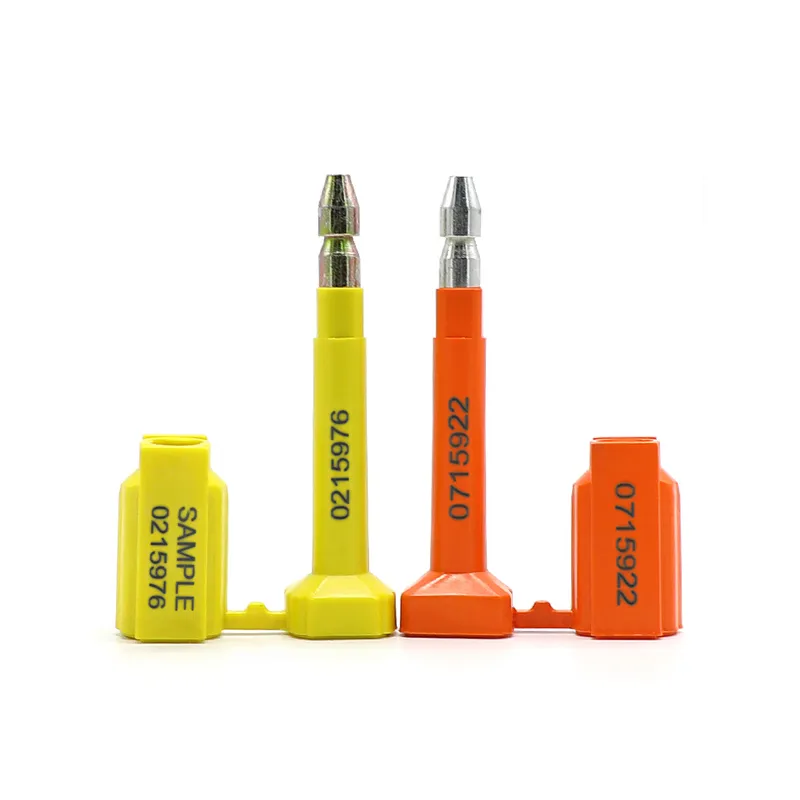
Material strength matters significantly for disposable options. high security bolt seals use hardened steel components that resist cutting tools, requiring specialized equipment to defeat. This physical barrier, combined with the tamper-evident design, creates layered protection that’s difficult to circumvent without detection.
When Reusable Security Seals Make Economic Sense
Reusable security seals work best in closed-loop systems where the same seals cycle through a controlled environment repeatedly. Think internal warehouse transfers, cash-in-transit operations, or utility meter protection. The seal leaves your facility, serves its purpose, and returns for reuse.
The environmental argument is compelling. Companies switching to reusable sealing solutions have documented up to 70% reductions in seal-related waste over five-year periods. That translates to real sustainability benefits and, increasingly, matters for corporate environmental reporting. The reusability benefits extend beyond waste reduction to simplified inventory management and more predictable procurement cycles.
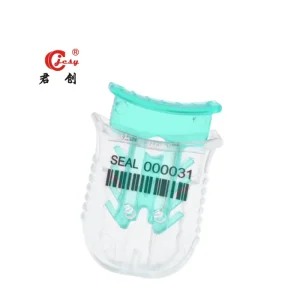
We manufacture Meter Seals specifically designed for repeated application and removal. These seals protect utility infrastructure while allowing authorized access for readings and maintenance. The design balances security requirements against practical operational needs.
How do the long-term costs of reusable seals compare to the recurring costs of disposable options?
Reusable seals require higher upfront investment but often deliver lower total cost of ownership in appropriate applications. The math depends on usage frequency. A seal used twice offers minimal savings. A seal used fifty times before replacement transforms the economics entirely.
Disposable seals create ongoing procurement and disposal costs. Each shipment requires new seals, and those seals become waste after a single use. For high-volume internal operations, these recurring expenses accumulate quickly.
The ROI security seals calculation should include indirect costs: staff time for ordering and inventory management, storage space for seal stock, and waste handling. Reusable options reduce all of these. A thorough cost-benefit analysis typically shows reusable seals outperforming disposable alternatives in closed-loop scenarios with frequent seal cycling.
Matching Security Seals to Your Actual Operations
The right seal depends on your specific situation, not general best practices. International container shipping demands ISO 17712 Cable Seal or Cargo Container Bolt Seal products that meet regulatory requirements and provide verifiable security across long, complex routes. Internal warehouse movements might work perfectly well with reusable options that cost more initially but eliminate ongoing procurement hassles.
Consider these factors when selecting application specific seals:
| Feature | Disposable Security Seals | Reusable Security Seals |
|---|---|---|
| Tamper Evidence | Immediate, irreversible visual indication | Requires careful auditing for detection |
| Cost | Lower unit cost, higher recurring costs | Higher initial cost, lower long-term costs |
| Application | International shipping, high-value cargo, one-time use | Closed-loop systems, internal logistics, frequent access |
| Environmental Impact | Generates waste | Reduces waste, promotes sustainability |
| Compliance | Often required for international regulatory compliance | Less common for external regulatory, suitable for internal |
Our team helps clients navigate these decisions by understanding their actual operational needs rather than pushing standard solutions. The goal is enhanced supply chain security and visibility, not just selling seals.
Which type of security seal is best suited for international shipping and customs compliance?
High security bolt seals remain the standard for international container shipping. ISO 17712 compliance isn’t optional for most trade routes, and these disposable seals meet the certification requirements that customs seals authorities expect to see.
The physical security matters for international shipping seals because containers spend weeks in transit, often sitting in port yards with limited surveillance. A seal that can be defeated with common tools invites problems. High-security bolt seals require specialized cutting equipment, creating a meaningful barrier against opportunistic theft.
Reusable seals generally don’t meet international regulatory standards for external shipping. They can work well for internal logistics, but the compliance landscape for cross-border trade favors disposable, high-security options with clear tamper evidence.
If you are looking for reliable security solutions for your utility and measurement devices, consider exploring our range of meter and lead seals. They are designed for essential security.
Where Security Seal Technology Is Heading
The industry continues integrating tracking and verification technologies into seal designs. barcode security seals and serial numbered seals have become standard for operations requiring detailed chain-of-custody documentation. Each seal gets a unique identifier that links to shipping records, creating an audit trail that supports both security and compliance objectives.
RFID seals and smart seals represent the next evolution. These devices can report their status electronically, enabling real-time monitoring of seal integrity across supply chains. The technology is still maturing, but early adopters are seeing benefits in high-value logistics where the cost of enhanced traceability solutions justifies the investment.
Material science seals continue improving physical security characteristics. Stronger alloys, more sophisticated locking mechanisms, and better resistance to environmental conditions all contribute to seals that perform reliably across diverse operating environments. These advances in supply chain visibility tools help companies maintain tighter control over their assets.
Partner with Us for Robust Security Solutions
Selecting the right security seals is fundamental to protecting your assets and maintaining supply chain integrity. Our team at Shandong Junchuang Lock Industrial Co., Ltd. specializes in designing, developing, and manufacturing high-quality security seals tailored to your specific needs. We prioritize reliability, quality, and long-term cooperation. Contact us today to discuss your security requirements and find the optimal sealing solutions for your operations.
Email: [email protected]
Mobile/Whatsapp: +86 13853189290
Frequently Asked Questions
Can disposable security seals be recycled after use?
Most disposable security seals contain mixed materials that complicate recycling. Plastic seals may be recyclable depending on the polymer type and local facilities, but metal components in bolt seals and cable seals typically require separation. Some manufacturers offer take-back programs for recycling, though these remain uncommon. The practical reality is that most disposable seals end up in general waste streams, which is one reason companies with strong sustainability commitments increasingly evaluate reusable alternatives for appropriate applications.
How do I verify that a security seal meets ISO 17712 standards?
Legitimate ISO 17712 compliant seals come with certification documentation from accredited testing laboratories. The seal body should display the manufacturer’s identification and a unique serial number. You can verify certification by requesting test reports from the manufacturer and cross-referencing with the certifying body. Be cautious of seals claiming compliance without proper documentation, as counterfeit or non-compliant seals create liability exposure and may not be accepted by customs authorities.
What happens if a security seal is damaged during normal handling rather than tampering?
Distinguishing accidental damage from deliberate tampering requires examining the damage pattern and context. Legitimate handling damage typically shows consistent wear patterns, while tampering often leaves tool marks or irregular breaks. Proper documentation of seal condition at each transfer point helps establish whether damage occurred during specific handling stages. When damage is ambiguous, most security protocols treat it as potential tampering and trigger inspection procedures. This conservative approach protects against sophisticated tampering attempts designed to mimic accidental damage.