
Supply chain security often comes down to one overlooked detail: knowing whether someone has touched your cargo before you did. Security seals are supposed to answer that question definitively, but only if you can actually tell when they’ve been compromised. After years of working with logistics teams and port authorities, I’ve learned that most tampering goes undetected not because the seals failed, but because the people checking them didn’t know what to look for. The financial hit from undetected breaches can be substantial, and the reputational damage tends to linger even longer. What follows is a practical breakdown of how to spot tampered seals before they become expensive lessons.
Tampering Techniques Leave Specific Traces
Identifying tampered security seals starts with understanding how adversaries actually work. Different methods leave different marks, and recognizing these patterns makes visual inspection far more reliable. Each seal type has its own vulnerabilities, which means the signs of compromise vary accordingly.
What are the common methods used to tamper with security seals?
Mechanical force remains the most straightforward approach. Cutting, prying, or breaking the seal body or locking mechanism leaves obvious physical damage in most cases. Heat application targets plastic seals specifically, softening the material enough to open and reseal without creating visible breaks. Chemical manipulation uses solvents to dissolve or weaken plastic components, allowing removal and reapplication. More sophisticated operations involve counterfeit seals that replace the original entirely, or bypass methods that leave the seal intact while accessing the cargo through other means.
| Tampering Method | Seal Types Affected | Visual Evidence |
|---|---|---|
| Mechanical Force | Bolt Seals, Cable Security Seal, Plastic Seals, Metal Strap Seals | Cuts, breaks, deformation, stress marks, tool marks, frayed cables |
| Heat Application | Plastic Seals, Meter Seals | Discoloration, melting, distortion, altered texture, burn marks, stretched plastic |
| Chemical Solvents | Plastic Seals, Meter Seals | Fading, stickiness, residue, material degradation, altered surface finish |
| Re-sealing | All types (with counterfeit) | Mismatched serial numbers, inconsistent markings, poor quality material, incorrect application |
| Bypass | All types | Missing seal, incorrect seal type, signs of entry without seal damage |
Authentic Seals Have Consistent, Verifiable Features
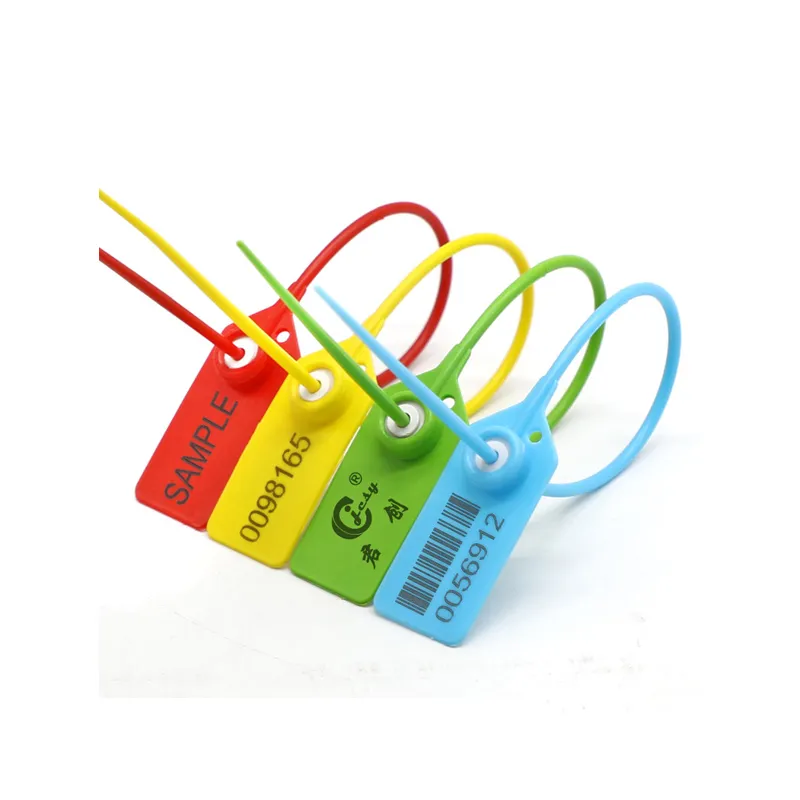
Telling a genuine security seal from a tampered or counterfeit one requires knowing what the real thing looks like. Legitimate seals incorporate specific anti-tamper features that serve as benchmarks during authenticity verification. Manufacturing quality and tamper-evident technology work together to create these distinguishing characteristics.
How can I differentiate between a genuine security seal and a counterfeit?
Start with the serial number. It should match your documentation exactly and be clearly etched into the material rather than printed or easily smudged. Unique identifiers like logos, barcodes, or QR codes need to be crisp and correctly positioned. Material integrity matters too. Genuine high security bolt seals and Cable Seals exhibit consistent quality and finish throughout. Look for tamper-evident technology such as break lines, encapsulated components, or specialized plastics that deform when manipulated. Keep a known good sample on hand for direct comparison whenever possible.
Technology Extends Detection Beyond Visual Checks
Visual inspection catches most tampering, but advanced technologies add layers of verification that physical examination cannot provide. Electronic systems enable real-time monitoring and digital confirmation of seal status, creating audit trails that manual checks simply cannot match.
What advanced technologies are available for enhanced seal security and tamper detection?
RFID seals embed radio-frequency identification tags for electronic scanning and inventory tracking across large operations. NFC seals allow quick verification using smartphones, confirming both authenticity and current status. GPS tracking seals provide real-time location data, flagging unauthorized route deviations before cargo reaches its destination. Blockchain integration creates immutable records of seal status and chain of custody that cannot be altered after the fact. Smart seals incorporate environmental sensors detecting temperature changes or impacts that might indicate tampering attempts.
| Feature | Traditional Seals | Advanced Seals (e.g., RFID, Smart Seals) |
|---|---|---|
| Detection Method | Visual inspection | Electronic scanning, real-time data, sensor alerts |
| Data Logging | Manual records | Automated, digital, immutable records |
| Verification Speed | Slow, human-dependent | Fast, automated, remote |
| Tamper Evidence | Physical damage | Physical damage, electronic alerts, data discrepancies |
| Cost | Lower initial | Higher initial, lower long-term operational |
| Reusability | No | No (tamper-evident design) |
For more detailed information on specific security solutions, you may find our article on 《Meter Lead Seals: Essential Security for Utility and Measurement Devices》 particularly useful.
Protocols Determine Whether Seals Actually Work
The best security seals in the world accomplish nothing without proper handling procedures. Application, inspection, and reporting protocols transform physical products into functioning security systems. Disciplined execution at every transfer point separates organizations that catch tampering from those that discover losses after the fact.
Clear seal application guidelines ensure personnel understand correct placement and fastening procedures. Stringent inspection protocols require thorough visual checks at every transfer point, with documented seal numbers and conditions. Regular training keeps staff current on tampering techniques and authentic seal features. A defined reporting mechanism establishes immediate steps when compromised seals appear. Comprehensive chain of custody records track every seal from application to removal, including timestamps and responsible parties. Periodic security audits identify gaps and address emerging threats before they become vulnerabilities.
Quality Manufacturing Creates Effective Deterrence
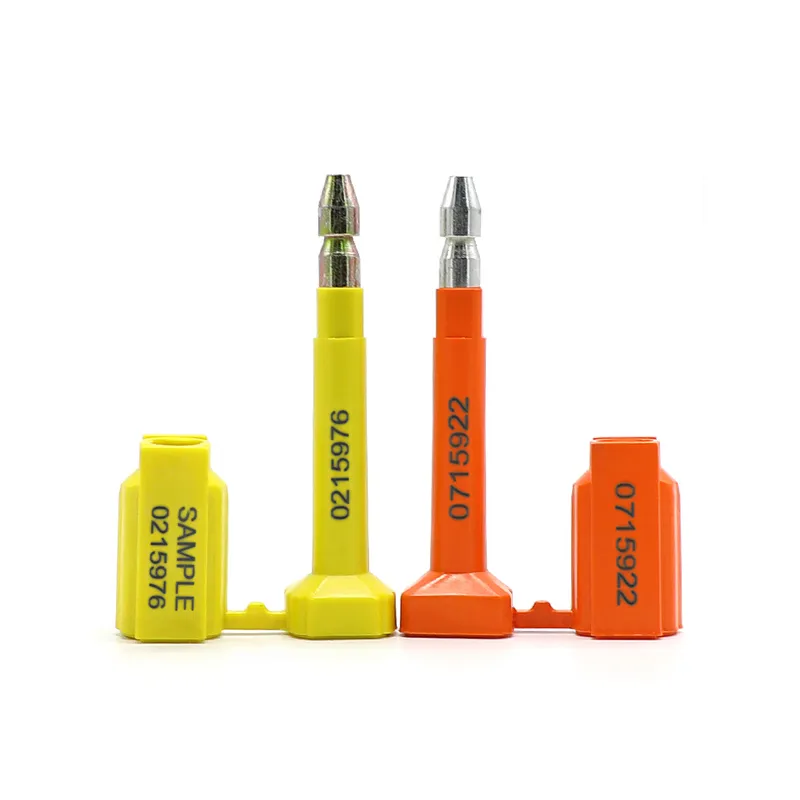
High-quality security seals serve as the first barrier against tampering. Superior tamper resistance combined with unmistakable tamper evidence creates products that both deter attempts and reveal them when they occur. The high security bolt seals and Metal Strap Seals in our product range reflect this engineering priority.
A security seal must do more than resist removal. It must clearly show any attempt at compromise. Our Plastic Seals and Cable Seals feature designs that make unauthorized removal or reapplication extremely difficult without leaving obvious signs. The Meter Seals we manufacture withstand both environmental stress and manipulation attempts, protecting utility measurement integrity. Material strength, precise manufacturing tolerances, and permanent markings combine to create effective deterrents. A well-designed seal sends an unambiguous message: tampering will be detected.
Ensure Your Assets Are Secure
Identifying tampered security seals requires trained personnel, consistent protocols, and products engineered for clear tamper evidence. Understanding how adversaries work, verifying authenticity against known standards, and deploying appropriate technology all reduce risk exposure. The goal is straightforward: detect breaches before they become losses. Durable, functional seals designed for real-world conditions form the foundation of that protection.
Fortify Your Security with Junchuang Lock Industry
Ensure the unwavering integrity of your supply chain and assets with Junchuang Lock Industry’s advanced security seals. From robust high security bolt seals to versatile Plastic Seals and Cable Seals, our solutions are engineered for superior tamper evidence and reliability. Contact us today at +86 13853189290 or [email protected] for a personalized consultation on fortifying your security protocols.
Frequently Asked Questions About Security Seal Tampering
What is the primary purpose of a security seal in supply chain logistics?
A security seal provides tamper evidence, showing whether unauthorized access occurred during transit or storage. It functions as both a deterrent and a visible indicator of compromise. When a seal remains intact and matches documentation, it confirms the cargo traveled without interference. When it shows signs of tampering, investigation can begin immediately rather than after inventory discrepancies surface.
How do different types of security seals, like bolt seals and plastic seals, offer varying levels of security?
Security seal types match different risk profiles and operational requirements. High security bolt seals require specialized tools for removal and resist substantial force, making them appropriate for high-value cargo or international shipping. Plastic Seals provide clear tamper evidence at lower cost, working well for internal control or applications where the primary concern is documentation rather than physical resistance. Matching seal type to actual threat level prevents both under-protection and unnecessary expense.
Can security seals be reused after being tampered with or removed?
Security seals are single-use by design. Once removed or tampered with, the integrity is permanently compromised. Any attempt to reapply a used seal indicates potential fraud or unauthorized access and should trigger immediate investigation. Each new application requires a fresh, intact seal with its own documented serial number to maintain the security chain.