
Heavy-duty cable ties are one of those industrial components that rarely get attention until something fails. A wiring harness comes loose in a hot engine bay, or a cable bundle snaps free on an offshore platform, and suddenly the choice of fastener matters a great deal. These ties exist specifically for environments where standard plastic ties would soften, crack, or simply give way under load. High temperatures, chemical splash zones, constant vibration, UV bombardment from years of outdoor exposure: heavy-duty cable ties handle conditions that would destroy ordinary fasteners within months.
What Separates Heavy-Duty Cable Ties from Standard Options
The “heavy-duty” label comes down to measurable performance differences, not marketing language. Standard cable ties typically handle tensile loads between 8 and 50 pounds. Heavy-duty cable ties start where those leave off, with ratings commonly ranging from 50 pounds to well over 250 pounds. That difference matters when you’re bundling thick power cables or securing components that vibrate constantly.
Material composition drives much of this performance gap. Basic nylon 6/6 works fine for office cable management or light workshop use. Heavy-duty cable ties use advanced nylon formulations, stainless steel, or polypropylene depending on the application demands. The locking mechanisms are beefier too, with thicker pawls and deeper engagement teeth that resist slippage under sustained tension.
| Feature | Standard Cable Tie | Heavy-Duty Cable Tie |
|---|---|---|
| Tensile Strength | Low to Medium (8-50 lbs) | High to Very High (50-250+ lbs) |
| Material | Basic Nylon 6/6 | Advanced Nylon, Stainless Steel, Polypropylene |
| Temperature Range | Limited | Extended (-40°C to 150°C for some) |
| UV Resistance | Poor | Good (UV-stabilized nylon) to Excellent (stainless steel) |
| Chemical Resistance | Limited | Good to Excellent |
| Application | General bundling | Industrial fastening, extreme conditions |
Why Material Selection Determines Long-Term Performance
Choosing the right material for heavy-duty cable ties isn’t about picking the strongest option available. It’s about matching material properties to specific environmental threats. A tie that performs perfectly in a climate-controlled factory might fail within a year on a rooftop solar installation.
UV resistant cable ties matter enormously for outdoor applications. Standard nylon degrades under prolonged sunlight exposure, becoming brittle and prone to cracking. UV-stabilized formulations, typically identified by their black coloring, incorporate carbon black or other stabilizers that absorb ultraviolet radiation before it can break down polymer chains.
Chemical resistant cable ties serve processing plants, refineries, and manufacturing facilities where splashes and fumes are routine. Certain solvents, acids, or cleaning agents attack standard nylon aggressively. Polypropylene ties or stainless steel alternatives resist these exposures far better.
Extreme temperature cable ties address both ends of the spectrum. Cold storage facilities, arctic installations, and cryogenic equipment need ties that remain flexible at temperatures where standard nylon becomes glass-like and shatters under impact. High-heat environments near engines, furnaces, or industrial ovens require materials that won’t soften and release their grip.
Stainless Steel Cable Ties in Aggressive Environments
Stainless Steel Cable Tie represent the most robust option for truly harsh conditions. They handle extreme temperatures that would destroy any polymer, resist UV radiation indefinitely, and shrug off chemical exposure that would dissolve nylon within weeks. Marine environments, oil and gas installations, and high-heat industrial applications rely on stainless steel ties precisely because the material doesn’t degrade over time the way polymers do.
The tensile strength advantage is significant too. Where even heavy-duty nylon ties might max out around 175 pounds, stainless steel ties commonly exceed 200 pounds and specialized versions go much higher. For chemical processing fasteners and marine cable management solutions, that combination of strength and corrosion resistance makes stainless steel the practical choice despite higher unit costs.
Industrial Applications Where Heavy-Duty Cable Ties Prove Essential
The range of industries relying on heavy-duty cable ties reflects how many environments exceed the capabilities of standard fasteners.
Automotive manufacturing uses them throughout vehicle assembly, securing wiring harnesses against constant engine vibration and under-hood temperatures that can exceed 125°C. A loose wire harness in a moving vehicle isn’t just an inconvenience; it’s a potential safety failure.
Construction sites present different challenges. Temporary cable routing needs fasteners that can handle outdoor exposure, accidental impacts, and the general abuse of an active work zone. Scaffolding elements secured with inadequate ties become hazards.
The energy sector, particularly renewable energy cable management, demands fasteners that survive decades of outdoor exposure. Solar installations and wind farms can’t afford regular maintenance visits to replace failed ties. The initial fastener choice needs to account for 20 or 30 years of UV exposure, temperature cycling, and weather.
Telecommunications infrastructure ties organize and protect cable runs that carry critical data. Mining equipment fastening requires resistance to abrasive dust and harsh cleaning procedures. Aerospace cable bundling faces extreme temperature swings between ground operations and high-altitude flight. Electrical panel organization benefits from heavy-duty cable ties that maintain neat, safe arrangements over the full service life of the equipment.
Selecting the Right Heavy-Duty Cable Tie for Specific Conditions
Matching heavy-duty cable ties to application requirements follows a logical sequence. Skipping steps or making assumptions leads to premature failures and replacement costs.
-
Assess Environmental Conditions: Document the actual exposure conditions. Will the ties face direct sunlight? What temperature extremes occur? Are chemicals, solvents, or cleaning agents present? Moisture and humidity levels matter too.
-
Determine Load Specifications: Calculate the actual forces the tie must resist. This includes static bundle weight, dynamic loads from vibration, and any potential impact forces. Build in a safety margin; the rated tensile strength should exceed expected loads by a comfortable factor.
-
Consider Material Compatibility: Match the tie material to the specific environmental stressors identified. UV exposure points toward stabilized nylon or stainless steel. Chemical exposure requires checking compatibility charts for the specific substances involved.
-
Evaluate Size and Length: The tie must fit the bundle diameter with enough tail length for proper tensioning. Oversized ties waste material and create unnecessary bulk. Undersized ties can’t achieve proper tension.
-
Check Regulatory Compliance: Many industries have specific requirements for cable management materials. Electrical codes, fire ratings, and industry-specific standards may dictate acceptable materials and configurations.
-
Review Installation Requirements: Some heavy-duty cable ties require specific tensioning tools for proper installation. Account for tool availability and installer training.
Heavy-Duty Cable Ties for Outdoor and Extreme Temperature Use
For outdoor UV exposure, UV-stabilized nylon 6/6 cable ties provide good performance at reasonable cost. The black coloring indicates UV stabilization in most product lines. For more extreme conditions or longer service life requirements, Stainless Steel Cable Tie eliminate UV degradation concerns entirely.
Extreme temperature applications generally favor stainless steel for the widest operating range. Specialized high-temperature nylon variants exist for applications within their rated limits, typically up to 85°C or 105°C depending on formulation. These options work well for outdoor cable tie applications and extreme temperature cable management where the full capability of stainless steel isn’t necessary.
Installation Practices That Maximize Service Life
Even the best heavy-duty cable ties fail prematurely when installed incorrectly. The installation process deserves as much attention as the selection process.
Avoiding Common Installation Errors
Proper installation starts with selecting the correct tie size and material for the application. Using a specialized tensioning tool ensures consistent force application without over-tightening, which can damage the tie or the bundled cables. The tie should be positioned securely around the bundle, seated properly in its locking head.
Sharp edges present a particular hazard. A heavy-duty cable tie routed over a metal edge or burr will eventually cut through, regardless of its tensile rating. Protective grommets or edge guards prevent this failure mode.
Regular inspection catches developing problems before complete failure. Look for signs of UV degradation, chemical attack, or mechanical wear. Ties showing discoloration, surface cracking, or deformation should be replaced proactively. This attention to detail prevents common cable tie installation errors and ensures secure cable bundling over the long term.
Combining Security Features with Heavy-Duty Fastening
Heavy-duty cable ties can do more than simply hold bundles together. Integrating security and identification features adds value in applications requiring tamper evidence or asset tracking.
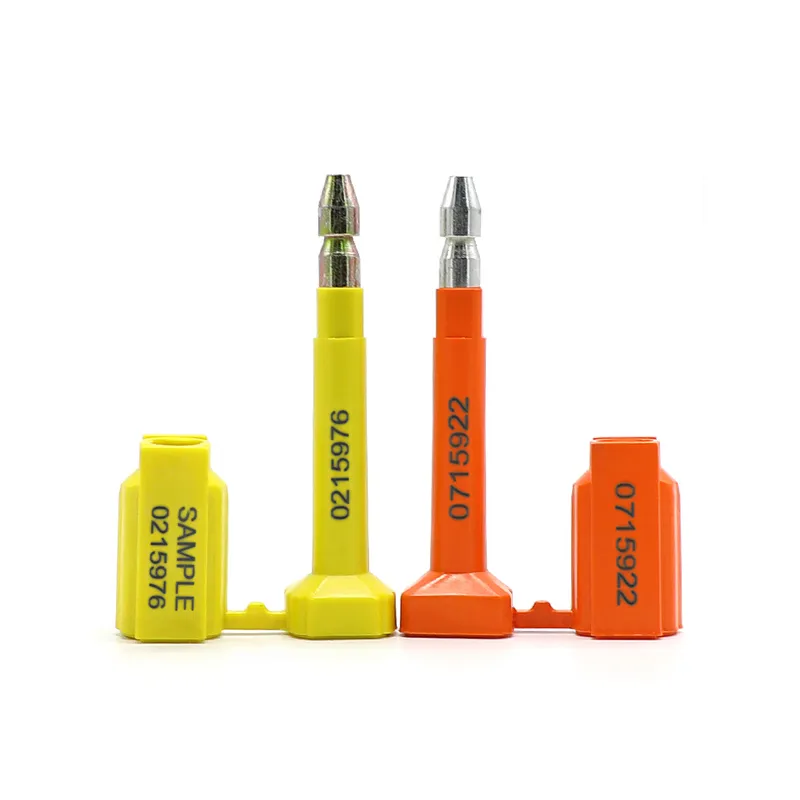
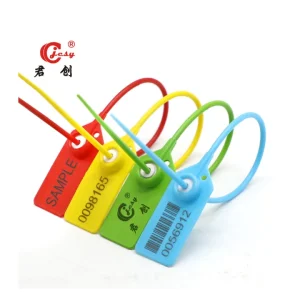
Combining heavy-duty cable ties with security seals creates robust solutions for sensitive applications. A Cable Tie Lock used alongside a plastic seal or Cable Security Seal provides both mechanical bundling and visible tamper indication. If someone cuts or removes the seal, the evidence remains obvious.
Meter seal applications benefit particularly from this integrated approach. Utility meters, transportation containers, and pharmaceutical shipments often require both secure fastening and tamper-evident closure. Heavy-duty cable ties provide the mechanical strength while security seals add the accountability layer. This combination enhances industrial security products and asset identification fasteners across multiple sectors.
Frequently Asked Questions About Heavy Duty Cable Ties
What are the benefits of using stainless steel cable ties over nylon in harsh environments?
Stainless Steel Cable Tie resist extreme temperatures, UV radiation, chemical exposure, and corrosion far better than any nylon formulation. Marine environments, oil and gas facilities, and high-heat industrial applications see the clearest benefits. The tensile strength advantage is substantial too, often exceeding 200 pounds compared to 175 pounds or less for heavy-duty nylon. Where nylon might last a few years before degradation becomes visible, stainless steel maintains its properties indefinitely under the same conditions.
How do I ensure proper installation of heavy-duty cable ties to prevent failure?
Start by matching the tie size and material to the application requirements. Use a tensioning tool designed for the tie type to apply consistent force without over-tightening. Position the tie securely around the bundle with the locking head properly seated. Avoid routing ties over sharp edges, which will eventually cut through even the strongest materials. Inspect installed ties periodically for signs of UV degradation, chemical attack, or mechanical wear, and replace any showing damage before complete failure occurs.
Are there specific heavy-duty cable ties suitable for outdoor UV exposure and extreme temperatures?
UV-stabilized nylon 6/6 cable ties, typically black in color, handle outdoor UV exposure well for most applications. For more demanding conditions or longer service life requirements, stainless steel cable ties eliminate UV degradation concerns entirely. Extreme temperature applications generally favor stainless steel for the widest operating range, though specialized high-temperature nylon variants work within their rated limits. The choice depends on the specific temperature range, expected service life, and budget constraints.
Can heavy-duty cable ties be reused, or are they single-use?
Most heavy-duty cable ties are designed for single use. The locking mechanism engages permanently during installation, and cutting the tie to remove it destroys the fastener. This design ensures maximum security and consistent tensile strength. Releasable heavy-duty cable ties exist for applications requiring temporary bundling or periodic adjustments, but their load-bearing capacity is typically lower than equivalent single-use versions. For critical applications where failure consequences are significant, single-use ties provide more reliable performance.
What is the typical lifespan of a heavy-duty cable tie in an industrial setting?
Lifespan varies enormously based on material choice and environmental conditions. Stainless steel ties can remain functional for decades in most environments. High-quality UV-stabilized nylon ties typically last 5 to 10 years in outdoor applications with direct sunlight exposure. Indoor applications with controlled environments extend nylon tie life considerably. Chemical exposure, temperature extremes, and mechanical stress all reduce service life. Regular inspection catches degradation before failure, allowing proactive replacement rather than reactive repairs.
Partner with Junchuang for Reliable Industrial Fastening Solutions
Shandong Junchuang Lock Industry Co., Ltd. manufactures heavy-duty cable ties alongside a comprehensive range of Plastic Seals, Cable Seals, Meter Seals, and high-security bolt seals. Our products serve demanding industrial environments where fastening reliability and tamper evidence matter. Contact us for consultation or to discuss custom solutions for your specific application requirements.
Mobile: +86 13853189290
Email: [email protected]
Whatsapp: +86 13853189290