
Getting a meter seal to actually do its job comes down to how you put it on. I’ve seen installations that looked fine but failed the first real test, and others that held up for years without a second thought. The difference usually isn’t the seal itself—it’s the small details during application that most people skip over or rush through.
Why Meter Seals Matter More Than Most People Realize
Meter seals serve one straightforward purpose: they show when someone has tried to get into a utility meter without authorization. Electricity, gas, water—any measurement device that tracks consumption needs this layer of protection. The seal doesn’t stop a determined thief, but it creates evidence. That evidence matters for billing accuracy, loss prevention, and regulatory audits.
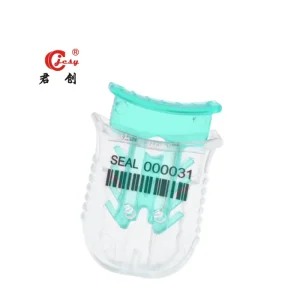
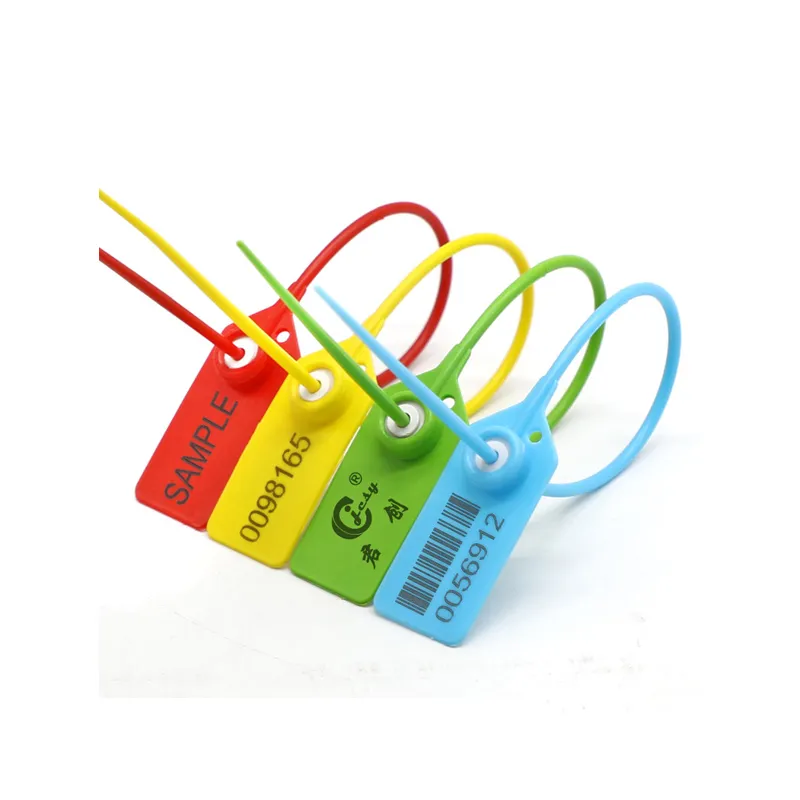
Different situations call for different seal types. Plastic meter seals work well for routine utility metering because they’re affordable and quick to apply. Lead meter seals have been around for decades, secured with a crimping tool that leaves a distinctive impression. Cable meter seals offer stronger resistance since the steel cable requires cutting tools to remove, which makes them better suited for higher-value installations or locations where tampering risk runs higher. Serial numbered seals add another layer—every seal gets tracked from warehouse to installation point.
| Seal Type | Material | Primary Application | Security Level | Key Features |
|---|---|---|---|---|
| Plastic Seals | Polypropylene/Nylon | Electricity, Gas, Water Meters | Moderate | Easy application, various colors, customizable |
| Lead Seals | Lead Alloy | Traditional Meter Sealing | Moderate | Requires crimping tool, durable |
| Cable Seals | Steel Cable, ABS | High-Value Meters, Containers | High | Adjustable length, strong tamper evidence |
How to Install Meter Seals Correctly
The installation sequence matters more than most technicians appreciate. Rushing through these steps creates weak points that show up later during inspections or, worse, after a tampering incident goes undetected.
Start by examining the meter itself. Look for existing damage, loose components, or anything that might interfere with the sealing points. A seal installed on a compromised meter creates a false sense of security.
Pick the right seal for the job. This sounds obvious, but I’ve seen cable seals used where plastic would suffice, and plastic seals applied to high-risk installations that needed something stronger. Match the seal to the actual threat level and environmental conditions.
Thread the seal wire or strap through every designated sealing point. Missing one creates an access route that bypasses the seal entirely. The locking mechanism needs to engage completely—partial engagement looks secure but isn’t.
After installation, give the seal a firm tug. Not enough to damage it, but enough to confirm it won’t slip free under normal handling. If it moves at all, start over.
Record the serial number immediately. This step gets skipped constantly, and it’s the one that matters most when something goes wrong months later.
Making Sure Your Installation Actually Prevents Tampering
A properly installed meter seal should pass three tests. First, the locking mechanism should be fully engaged with no visible gaps or partial closures. Second, the seal should resist moderate pulling force without showing any movement or stress marks. Third, the seal material should be appropriate for the installation environment—outdoor seals need UV resistance, seals in industrial settings might need chemical resistance.
Training makes a significant difference here. Technicians who understand why each step matters tend to execute them more carefully than those who just follow a checklist mechanically.
Tools That Make Meter Sealing Faster and More Reliable
Lead meter seals require a crimping plier designed specifically for the task. The tool compresses the lead around the wire while leaving a clear impression that shows the seal was properly applied. Using the wrong pliers creates weak crimps that can be opened and reclosed without obvious evidence.
Cable seals need appropriate cutters for sizing the cable before installation. Some cable seals use manual locking mechanisms while others have automated systems for high-volume operations. The locking mechanism varies by manufacturer, so familiarity with the specific product matters.
Plastic seals typically need no tools at all—the push-to-lock design handles everything. This simplicity is part of their appeal for routine installations.
Keep your tools maintained. A worn crimping plier produces inconsistent results. Dull cable cutters leave frayed ends that can interfere with locking mechanisms. These seem like minor issues until they cause a batch of failed installations.
Problems That Come Up During Installation and How to Fix Them
Most installation problems fall into predictable categories. Recognizing them quickly saves time and prevents security gaps.
| Problem | Potential Causes | Solutions |
|---|---|---|
| Seal Breakage | Excessive force, incorrect seal type, material defect | Use appropriate force, select correct seal, inspect batch for defects |
| Loose Seal | Incomplete locking, improper threading | Re-install carefully, ensure full engagement, verify sealing points |
| Tampering Evidence Unclear | Poor quality seal, incorrect application | Use high-quality seals, train staff on proper application methods |
| Premature Degradation | Environmental exposure, chemical contact | Select seals resistant to specific conditions, use protective covers |
| Incorrect Serial Numbers | Human error in recording, mislabeling | Implement strict recording protocols, use automated scanning if possible |
Dealing with the Most Common Installation Mistakes
Seal breakage during installation usually means someone applied too much force or used the wrong seal type for the application. The fix is straightforward: slow down and verify the seal matches the job before starting.
Loose seals almost always result from incomplete locking. The mechanism might look engaged but isn’t fully seated. A quick tug test catches this immediately.
Environmental degradation catches people off guard because it happens gradually. A seal that looked fine during installation might crack or become brittle after a few months of sun exposure. Selecting UV-resistant materials for outdoor installations prevents this entirely.
Serial number errors create headaches during audits and investigations. Automated scanning systems eliminate most of these mistakes, but even manual recording works fine if technicians treat it as a required step rather than optional paperwork.
Meeting Regulatory Requirements for Meter Seals
Different industries and regions have specific rules about meter seals. Some regulations specify acceptable seal types, others focus on security features, and many dictate exactly how installation and removal must be documented. Ignoring these requirements creates liability even when the seals themselves perform perfectly.
Good record-keeping forms the foundation of compliance. Every seal needs documentation: serial number, installation date, location, and the technician who installed it. When seals get removed, those records need updating too.
Regular inspections catch problems before they become compliance violations. A seal showing early signs of degradation can be replaced proactively rather than discovered during an audit.
Reporting protocols matter when seals show evidence of tampering. Clear procedures ensure that compromised seals get investigated properly and that the investigation produces useful information.
International standards like ISO 17712 provide benchmarks for high-security applications. Meeting or exceeding these standards demonstrates commitment to security that regulators and auditors recognize.
Finding the Right Meter Seal for Your Situation
The seal selection process should start with the actual security requirement, not the budget. A cheap seal that fails to provide adequate tamper evidence costs more in the long run than a slightly more expensive option that does the job properly.
Plastic seals handle most routine utility metering applications effectively. They’re available in multiple colors for visual coding systems and can be customized with company logos or specific text.
Cable seals provide the step up in security that higher-value installations need. The steel cable creates a clear barrier that requires obvious effort to defeat.
Lead seals remain relevant for applications where traditional methods are preferred or required by regulation. The crimping process creates a distinctive impression that’s difficult to replicate.
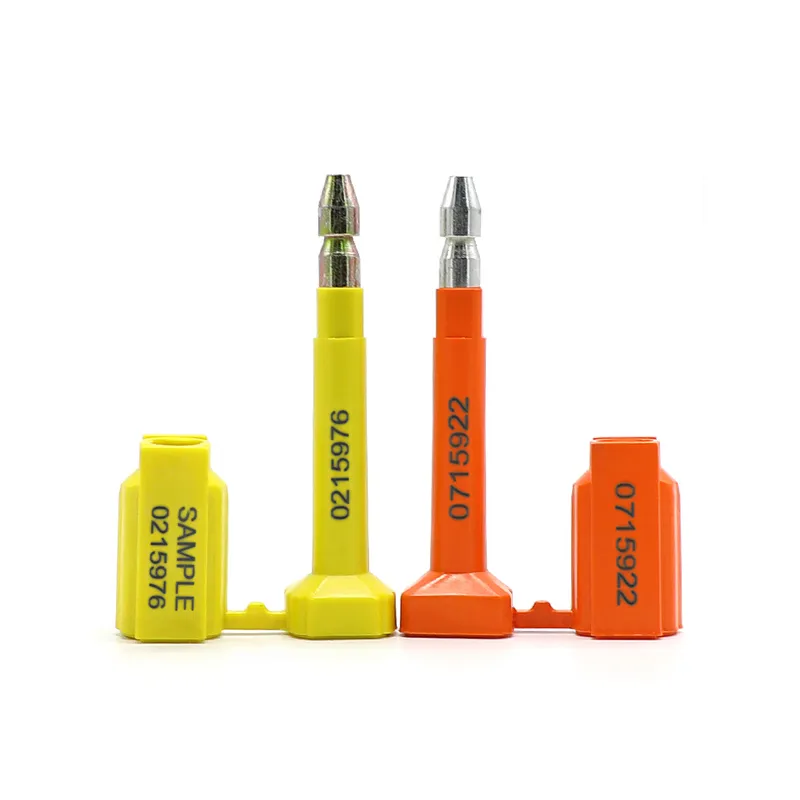
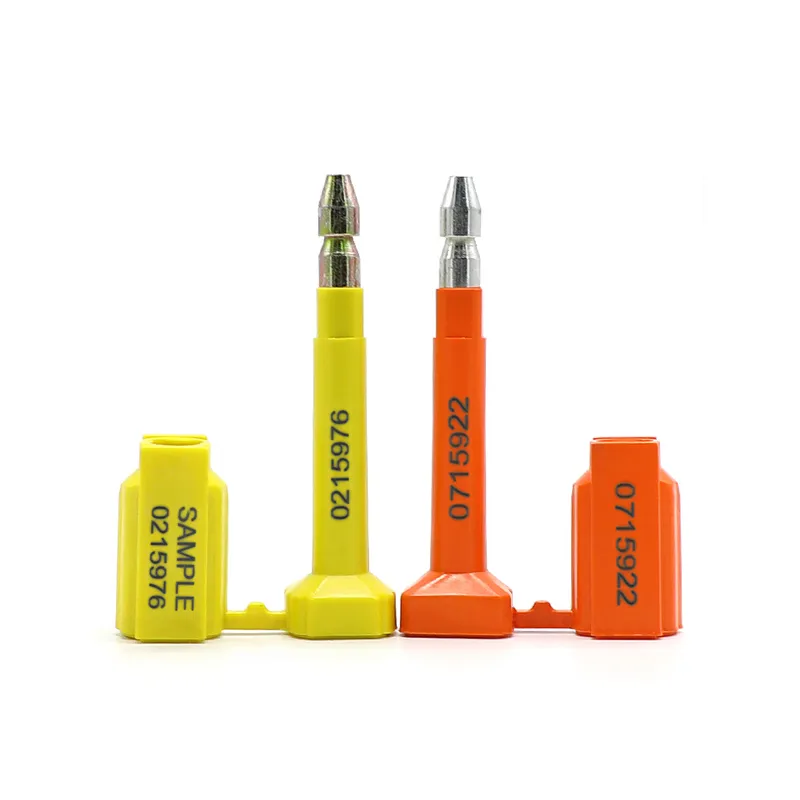
For maximum security requirements, bolt seals and metal strap seals offer superior resistance to tampering attempts. These products require more effort to install but provide correspondingly higher protection levels.
Getting Started with Better Meter Sealing
Improving your meter seal installation process doesn’t require dramatic changes. Start with the fundamentals: proper seal selection, careful installation technique, and consistent documentation. These basics solve most problems before they start.
For specific applications or unusual requirements, technical consultation helps identify the right approach. Different industries face different threats, and seal selection should reflect those realities.
Contact information for Shandong Junchuang Lock Industrial Co., Ltd: Mobile: +86 13853189290 | Email: [email protected] | Whatsapp: +86 13853189290
Frequently Asked Questions About Meter Seal Installation
What is the primary purpose of installing a meter seal?
A meter seal creates visible evidence of tampering attempts on utility meters. When someone tries to access the meter without authorization, the seal shows damage that can’t be hidden or reversed. This evidence supports accurate billing, deters theft, and provides documentation for investigations when tampering does occur.
How do I choose the most suitable meter seal for my specific application?
Start with the security level you actually need. Routine residential meters typically work fine with plastic seals. Commercial or industrial installations with higher theft risk benefit from cable seals. Environmental factors matter too—outdoor installations need UV-resistant materials, and some industrial environments require chemical resistance. Regulatory requirements in your area might specify acceptable seal types, so check those before making final decisions.
Are there any specific training requirements for meter seal installation personnel?
Formal requirements vary by region and utility provider, but practical training makes a measurable difference in installation quality. Effective training covers proper application technique for each seal type, recognition of tampering signs, documentation procedures, and the reasoning behind each step. Technicians who understand why the process matters tend to execute it more carefully.
What are the advantages of using numbered or barcoded meter seals?
Unique identifiers on each seal create a chain of custody from manufacturing through installation to eventual removal. This traceability simplifies inventory management, speeds up tampering investigations, and provides audit documentation. When a seal number can be traced to a specific installation date, location, and technician, accountability improves throughout the system.
How often should meter seals be inspected or replaced?
Inspection should happen during routine meter readings or maintenance visits. Look for signs of tampering, environmental damage, or material degradation. Replacement frequency depends on the seal type and installation conditions—some seals last years without issues while others in harsh environments might need replacement sooner. Any seal showing compromise or damage should be replaced immediately rather than left in place until the next scheduled visit.