
The first time I watched a farmer squint at a faded ear tag while cattle pushed through a chute, I understood why this choice matters more than most equipment decisions. Electronic versus visual identification isn’t just about technology preferences—it shapes how you spend your mornings, how accurately you track treatments, and whether you can trace an animal’s history when regulators come asking.
What Actually Separates Electronic and Visual Livestock Identification
Visual identification systems have been the backbone of livestock management for decades. These tags carry alphanumeric codes printed or engraved onto durable plastic, attached directly to the animal’s ear. Reading them means getting close enough to see the numbers clearly, then writing them down or punching them into a device. Simple enough in theory, but anyone who has tried reading a mud-caked tag on a nervous heifer knows the gap between theory and practice.
Electronic identification works differently at a fundamental level. RFID ear tags contain microchips storing unique identification numbers that scanners read wirelessly. No squinting, no transcription, no hoping you caught the right sequence of digits. The scanner captures the data and feeds it directly into management software. This shift from manual to automated data collection changes the rhythm of daily operations in ways that compound over months and years.
| Feature | Visual Identification (VID) | Electronic Identification (EID) |
|---|---|---|
| Technology | Alphanumeric codes, manual readability | RFID microchips, wireless readability |
| Data Collection | Manual recording, paper-based or simple digital input | Automated scanning, direct integration with management software |
| Accuracy | Susceptible to human error, misreading, data entry mistakes | High accuracy, reduced human error |
| Cost (Initial) | Lower per tag | Higher (tags, readers, software) |
| Speed | Slower, individual animal handling | Faster, batch scanning possible |
| Traceability | Basic, dependent on manual records | Advanced, robust, real-time data |
Where Automated Identification Pays Off in Daily Operations
The accuracy gains from electronic ear tags show up in unexpected places. Treatment records stay clean because the scanner logs the exact animal receiving medication. Weight data links to the right individual without someone double-checking tag numbers against a clipboard. Feed efficiency calculations become meaningful when you trust the underlying identification data.
Real-time tracking capabilities change how problems get spotted. An animal not showing up at the water station triggers investigation before weight loss becomes visible. Movement patterns reveal early signs of lameness or illness that visual observation might miss for days. The reading range on modern scanners means animals move through identification points without the stress of close handling, which matters for both animal welfare and the accuracy of any measurements taken during the process.
Labor savings accumulate quietly. Processing 200 head through a chute takes measurably less time when identification happens automatically. That time compounds across vaccination days, weaning, sorting, and every other event requiring individual animal records. Farms running tight on labor find this efficiency particularly valuable.
How Electronic Ear Tags Improve Data Accuracy and Enable Real-Time Tracking
The mechanism behind improved accuracy is straightforward. Automated scanning removes the human transcription step where errors typically enter the system. Each tag carries a unique identifier that cannot be confused with another, eliminating the misread digits that plague visual systems. When a scanner captures an ID, that exact number flows into the database without interpretation.
Real-time tracking builds on this foundation. Because identification happens instantly and accurately, the system can log an animal’s presence at any equipped location. Health events, weight measurements, and location data all attach to the correct individual record. This creates a continuous picture of each animal’s performance that supports better decisions about breeding, culling, and health interventions.
Understanding the True Cost Picture
Initial costs tell only part of the story. Visual tags cost less per unit, which makes them attractive when looking at purchase orders in isolation. A farm buying tags for 500 head sees a clear difference in that line item. But the calculation shifts when you factor in what happens after the tags go on.
Electronic identification systems require upfront investment in RFID ear tags, readers, and software that integrates with existing management systems. This initial outlay runs substantially higher than a comparable visual tagging setup. The equipment needs occasional maintenance, software may carry subscription costs, and tags still need replacement when lost or damaged.
The return on investment emerges from operational changes. Reduced labor hours during processing events, fewer errors requiring correction, better health outcomes from earlier intervention, and more accurate performance data all contribute value that offsets the higher initial cost. Farms need to run their own numbers based on herd size, labor costs, and how much they currently spend chasing data quality problems.
Breaking Down Setup Costs and Ongoing Expenses for Electronic Systems
The hardware side includes RFID ear tags at a higher per-unit cost than visual alternatives, handheld or panel readers depending on how animals move through the operation, and potentially fixed readers at key locations like water stations or feed bunks. Software costs vary widely based on features and whether the system integrates with existing farm management platforms.
Ongoing expenses include tag replacement for lost or damaged units, which happens at roughly similar rates to visual tags. Software subscriptions or updates add recurring costs that visual systems avoid. Reader maintenance and occasional repairs factor in, though modern equipment tends toward reliability. A realistic cost analysis compares these ongoing expenses against the labor and error costs that visual systems generate continuously.
Meeting Regulatory Requirements and Protecting Herd Health
Traceability regulations have tightened steadily across most markets. Both identification approaches can satisfy basic compliance requirements, but electronic systems provide the audit trail that regulators increasingly expect. When an inspector asks for movement history on a specific animal, pulling that data from an integrated electronic system takes seconds rather than hours of searching paper records.
Disease response scenarios reveal the practical difference most starkly. Containing an outbreak requires rapid identification of exposed animals and their contacts. Electronic records showing exactly which animals shared space with an infected individual enable targeted response rather than blanket quarantine. This precision protects both the affected farm and neighboring operations.
Biosecurity protocols benefit from the same data quality. Accurate records of animal movements, health treatments, and origin information support the documentation that trading partners and export markets require. Visual systems can provide this information, but the manual processes involved create more opportunities for gaps and errors that complicate compliance.
Matching the System to Your Operation
Farm size influences this decision heavily, but not in a simple linear way. Very small operations with minimal data requirements may find visual identification sufficient, particularly if animals receive individual attention that makes identification straightforward. The lower initial cost matters more when spreading it across fewer animals.
Mid-sized operations often face the most difficult calculation. They handle enough animals that manual processes consume significant time, but the capital investment in electronic systems feels substantial. These farms benefit from careful analysis of where their current identification approach creates friction or errors.
Large operations generally find electronic identification pays for itself through labor efficiency and data quality improvements. The scale amplifies both the costs of manual processes and the benefits of automation. Integration with feeding systems, health monitoring, and performance tracking creates compounding value that smaller operations cannot fully capture.
Future considerations matter regardless of current scale. Farms planning to grow, seeking premium market access, or anticipating stricter traceability requirements should weight their decision toward systems that support those goals. Retrofitting identification infrastructure costs more than building it right initially.
Secure Your Operations with Junchuang Lock Industry
Shandong Junchuang Lock Industry Co., Ltd. brings deep expertise in industrial security solutions where reliable identification and traceability matter. Our focus on high-security seals reflects the same principles that make livestock identification systems valuable: accuracy, durability, and verifiable records.
For operations needing secure sealing solutions that complement identification systems, our specialists can discuss how lead seals, Plastic Seals , Cable Seals 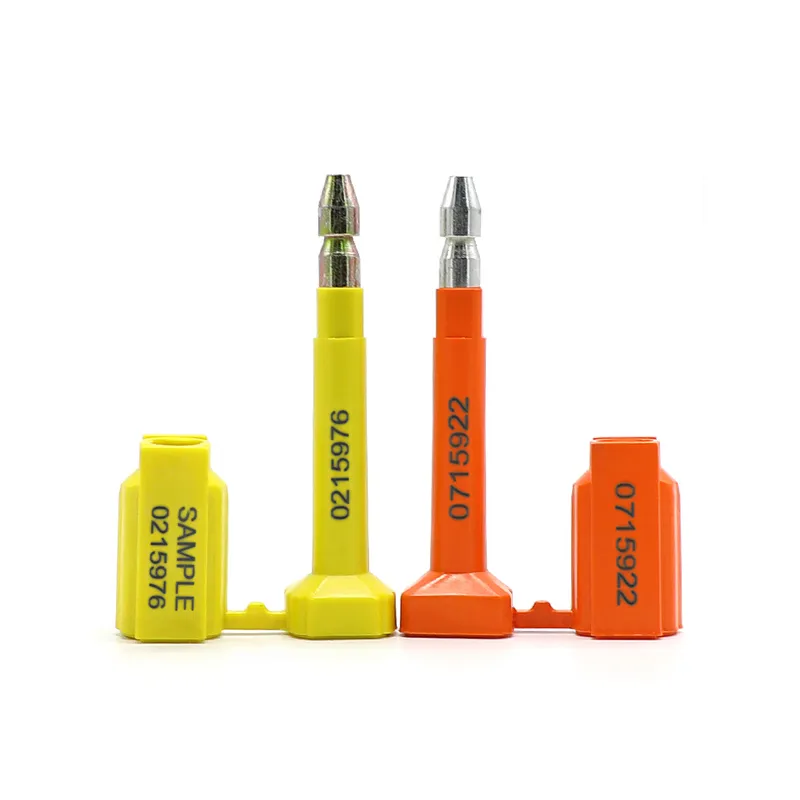 , Meter Seals
  , Metal Strap Seals
  , and high security bolt seals protect supply chains and assets.
Reach out via Mobile: +86 13853189290, Email: [email protected], or Whatsapp: +86 13853189290.
FAQ
What makes electronic ear tags worth the higher cost for large livestock operations?
Electronic ear tags deliver value through three main channels for large operations. Automated data collection eliminates the transcription errors that plague manual systems, which matters more as herd size increases. Processing speed improves substantially because scanners capture identification without close handling or visual confirmation. The accumulated labor savings across vaccination days, sorting events, and routine monitoring offset the higher tag cost relatively quickly at scale. Operations running 500 head or more typically see payback within two to three years through efficiency gains alone, before counting the value of better health outcomes from more accurate treatment records.
When does visual identification still make sense?
Visual ear tags remain practical for small operations where animals receive individual attention and identification rarely presents challenges. Farms with limited budgets and no immediate plans for expansion may find the lower initial cost decisive. Operations in regions without strict electronic traceability requirements face less regulatory pressure to upgrade. However, farms considering growth, premium market access, or anticipating tighter regulations should factor future needs into current decisions. The cost of transitioning later typically exceeds the incremental investment in electronic systems from the start.
How do electronic and visual ear tags hold up under harsh conditions?
Both tag types face the same environmental challenges: UV exposure, extreme temperatures, physical contact with equipment and other animals, and constant exposure to moisture and waste. Electronic tags typically use more robust encapsulation to protect internal components, and the identification function remains intact as long as the chip survives. Visual tags can fade, crack, or become unreadable while still physically attached. In practice, loss rates run similar between the two approaches, but electronic tags maintain functionality longer when they stay on the animal. The consistency of electronic identification over time reduces the need for re-tagging compared to visual systems where readability degrades gradually.