
Keeping track of individual animals sounds straightforward until you’re standing in a muddy paddock at dawn, trying to read a faded number on a restless heifer. Ear tags solve that problem, but they do far more than just put a number on an animal. They connect each head of cattle or sheep to a complete history—birth records, vaccinations, weight gains, breeding cycles—and that connection matters when disease strikes or when a buyer wants proof of origin. The technology has moved well beyond simple plastic tags with printed numbers, though those still have their place. RFID chips now store data that scanners can read in seconds, even through dirt and at a distance. This shift toward electronic identification reflects tighter regulations worldwide and growing consumer expectations around food safety. What follows covers the practical side of livestock ear tags: how different technologies compare, what regulations actually require, how to keep tags in place for years, and how tag data feeds into broader farm management systems.
Why Ear Tags Matter More Than They Used To
Ear tags sit at the center of modern livestock identification because traceability has become non-negotiable. Governments in the EU, the United States, Australia, and elsewhere now mandate individual animal tracking from birth to slaughter. The reasoning is practical: when a disease outbreak occurs, authorities need to trace affected animals back to their source within hours, not weeks. Untraceable outbreaks have cost the global livestock industry billions of dollars in culled herds, closed markets, and lost consumer confidence.
Beyond regulatory pressure, ear tags improve daily farm operations in ways that compound over time. Recording which animals received which treatments, tracking weight gain against feed costs, identifying top-performing breeding stock—all of this depends on reliable individual identification. A numbered ear tag turns an anonymous animal into a data point that can inform real decisions. Larger operations feel this most acutely, but even smaller farms benefit from knowing exactly which ewe produced twins three years running or which bull’s offspring consistently reach market weight faster.
Biosecurity protocols also rely heavily on accurate identification. Quarantine decisions, movement restrictions, and vaccination records all tie back to individual animals. Without dependable ear tags, these systems fall apart.
Comparing Visual Tags, RFID, and Electronic Identification
The choice between tag types involves trade-offs that depend on herd size, budget, and how much automation a farm actually needs.
Visual ear tags remain the simplest option. A printed number or barcode on durable plastic costs little and requires no special equipment to read. For small operations where someone physically handles each animal regularly, visual tags work fine. The downsides show up at scale: reading numbers by eye takes time, transcription errors creep in, and faded or mud-covered tags become unreadable.
RFID ear tags embed a microchip that stores a unique identification number. A handheld or panel reader captures this number electronically, often at a distance of several feet and without requiring a clear line of sight. This speeds up processing dramatically—scanning a hundred animals through a chute takes minutes rather than the better part of a morning. The data flows directly into herd management software, eliminating manual entry and the errors that come with it.
Electronic identification systems build on RFID technology but often integrate additional features like temperature sensors or GPS tracking. These advanced options suit operations where real-time health monitoring or precise location data justifies the higher cost.
The practical question for most farms comes down to whether the efficiency gains from RFID offset the upfront investment in tags and readers. For herds above a few hundred head, the math usually favors electronic systems. Smaller operations may find visual tags sufficient, especially if regulatory requirements don’t mandate electronic identification.
How RFID and Visual Tags Actually Differ
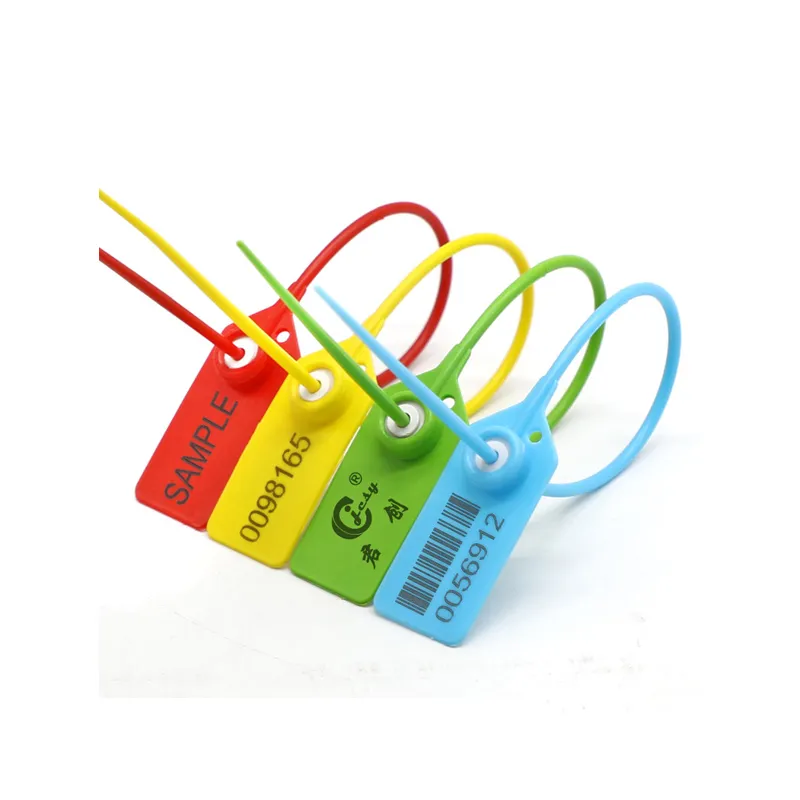
Visual tags display information that someone has to see and record manually. This works, but it introduces human error and slows down any process involving large numbers of animals. RFID tags store data electronically and transmit it via radio frequency when a reader comes within range. No direct line of sight needed, no squinting at faded numbers, no clipboard and pen. The data goes straight into whatever software manages herd records, creating an unbroken chain from animal to database. Visual tags show information; RFID tags communicate it.
Meeting Regulatory Requirements Without Overcomplicating Things
Regulatory compliance in cattle and sheep tagging varies by country and sometimes by region within countries, but the direction everywhere points toward stricter individual animal traceability. The EU’s bovine identification system requires double tagging with approved tags carrying standardized codes. The USDA has phased in electronic identification requirements for cattle moving interstate. Australia’s National Livestock Identification System mandates RFID tags for cattle and is expanding requirements for sheep and goats.
Non-compliance carries real consequences: restricted market access, fines, and in some cases inability to sell animals at all. The regulations exist because they work—traceable livestock systems have proven effective at containing disease outbreaks and maintaining consumer confidence in meat safety.
Best practices go beyond minimum compliance. Tag retention matters enormously because a lost tag means a gap in records and potential regulatory problems. Proper placement in the middle third of the ear, between the cartilage ribs, reduces the chance of tags catching on fences or feeders. Using sharp, well-maintained ear tag applicators ensures clean punctures that heal quickly and hold tags securely. Quality tags from reputable manufacturers resist UV degradation and remain legible for years.
How Ear Tags Support Disease Control
Each livestock ear tag creates a permanent link between an animal and its complete history. When disease appears in a herd, that link allows rapid identification of exposed animals, their movements, and their contacts with other herds. Authorities can isolate affected animals, trace the infection’s source, and implement targeted control measures rather than blanket restrictions that disrupt entire regions.
This individual animal identification forms the foundation of effective biosecurity. Without it, disease response becomes guesswork—slow, expensive, and often ineffective. The investment in proper tagging pays off most dramatically during outbreaks, when rapid traceability can mean the difference between containing a problem and watching it spread.
Keeping Tags in Place for the Long Haul
Tag loss frustrates farmers and creates compliance headaches. The causes are predictable: animals rub against fences and posts, tags snag on equipment, and cheap materials degrade under sun and weather exposure. Each lost tag means re-tagging an animal that may have grown considerably since the first application, along with potential gaps in records.
Material science has improved tag durability significantly. Modern polymers flex without cracking, resist UV damage, and maintain legibility through years of outdoor exposure. Locking mechanisms have evolved to grip more securely while still allowing for proper ear tissue health. These improvements matter because re-tagging costs money and time while stressing animals unnecessarily.
Application technique affects retention as much as tag quality. A dull applicator tears tissue rather than cutting cleanly, creating a wound that heals poorly and may reject the tag. Correct positioning avoids blood vessels and places the tag where it’s less likely to catch on objects. Taking an extra few seconds during application often prevents problems months or years later.
Reducing Stress During Tag Application
Calm, efficient handling minimizes stress for both animals and handlers. Sharp applicators make clean punctures that heal faster than ragged tears. Positioning matters—the middle third of the ear, between the two cartilage ribs, provides secure attachment while avoiding major blood vessels. Working with young animals when possible makes the job easier since they’re smaller and more manageable.
Speed helps, but rushing leads to mistakes. A steady approach that gets the tag placed correctly the first time causes less total stress than a hurried attempt that requires correction. Proper technique in humane ear tagging protects animal welfare while improving tag retention rates.
Connecting Tag Data to Farm Decisions
Ear tags generate data, but that data only becomes valuable when it flows into systems that support actual decisions. Modern herd management software integration turns individual animal identification into actionable intelligence.
Consider what becomes possible: automatic recording of weights when animals pass through a chute with a scale and reader, health treatment histories tied to individual animals rather than scrawled in a notebook, breeding records that track which pairings produce the best offspring, feed efficiency calculations for specific animals rather than herd averages. This granularity transforms management from intuition-based to data-driven.
The practical benefits show up in farm profitability. Identifying which animals gain weight efficiently allows culling of poor performers. Tracking health interventions reveals patterns that might indicate management problems. Breeding decisions based on actual performance data improve herd genetics over generations.
Integration requires compatible systems—tags, readers, and software that communicate effectively. The upfront investment in getting these pieces working together pays dividends through better information and less manual record-keeping. For operations serious about optimization, this integration represents the real value of modern livestock identification.
Common Questions About Livestock Ear Tags
When Should Tags Be Checked or Replaced?
Regular inspection during routine handling—vaccinations, health checks, weighing—catches problems early. Look for loose tags, faded numbers, cracked plastic, or signs of infection around the tag site. Replace any tag that’s unreadable or damaged before it fails completely. Proactive checking maintains continuous numbered ear tag records and avoids compliance gaps.
Do Eco-Friendly Tag Options Exist?
Sustainable agriculture increasingly includes consideration of tag materials. Some manufacturers now offer tags made from recyclable plastics or materials designed to break down more readily after disposal. Availability varies by region and supplier, but the options are expanding. Asking suppliers about sustainable ear tags and proper disposal methods aligns tagging practices with broader environmental goals.
What Causes Readability Problems?
Dirt buildup obscures visual tags, and printed numbers fade under prolonged sun exposure. Physical damage from rubbing or snagging makes tags illegible. For RFID systems, metal objects and electronic interference can disrupt data capture. Regular cleaning, high-contrast numbering on visual tags, and proper reader positioning address most issues. Quality tags from the start prevent many readability problems.
Working With Junchuang Lock Industrial
Shandong Junchuang Lock Industry Co., Ltd. brings secure sealing expertise to livestock identification solutions. Durable construction and compliance-ready designs support effective cattle and sheep management across operations of all sizes. For consultation on ear tag solutions that fit specific farm requirements, reach out directly. Mobile: +86 13853189290 | Email: [email protected] | Whatsapp: +86 13853189290