
Global logistics runs on trust, and that trust gets tested every time a container door closes. Theft, tampering, unauthorized access—these aren’t abstract risks. They’re daily realities that cost businesses billions and erode confidence across entire supply chains. High-security bolt seals sit at the center of this problem, serving as the physical line between secured cargo and compromised shipments. The right seal does more than indicate tampering. It resists it. And when international regulations demand proof of security, these seals provide the documentation and accountability that keep goods moving across borders without delay.
The Engineering Behind Genuine Tamper Resistance
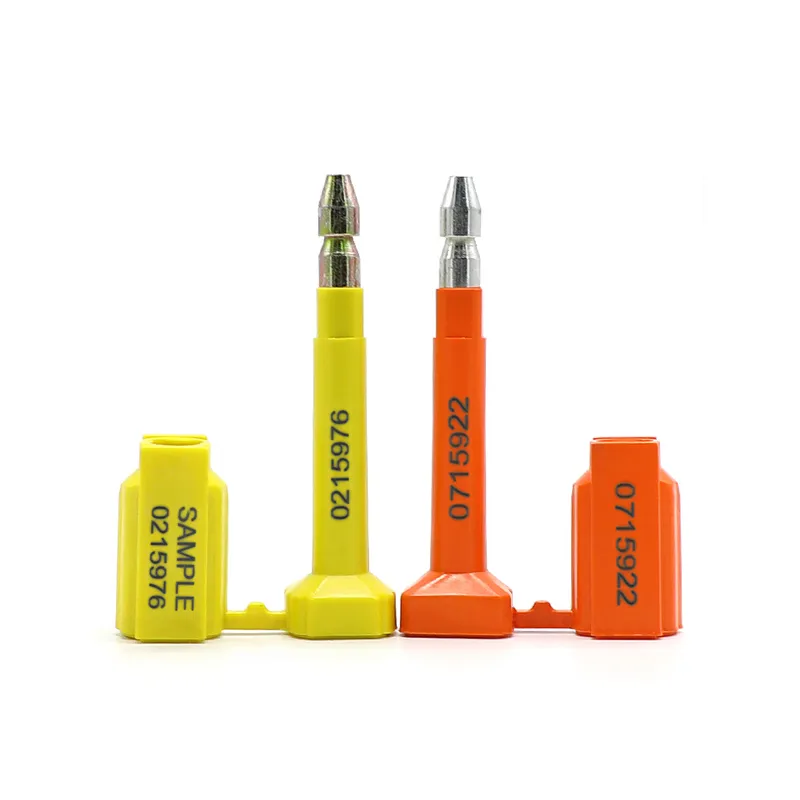
A high-security bolt seal isn’t just a locking device. It’s an engineered barrier designed to fail visibly if anyone attempts unauthorized access. The construction typically combines a hardened steel pin with a steel barrel, both encased in ABS plastic. That plastic layer serves multiple purposes—it protects against weather exposure, provides a clean surface for serial numbers and branding, and makes any physical attack immediately obvious through surface damage.
What separates these seals from basic alternatives comes down to specific design choices. Anti-spin mechanisms prevent the pin from rotating freely inside the barrel, which eliminates a common method of covert removal. The locking system activates permanently once closed, meaning there’s no way to open the seal without leaving clear evidence. This single-use design is fundamental. When the pin and barrel join, they stay joined until someone physically destroys the seal with cutting tools. That destruction becomes the evidence trail that investigators and auditors rely on.
Testing Protocols That Separate Claims from Performance
Security ratings for bolt seals come from controlled laboratory testing, not marketing departments. Accredited facilities subject seals to specific attack scenarios, measuring exactly how much force each seal can withstand before failure. These tests evaluate tensile strength (resistance to pulling apart), shear resistance (resistance to cutting), impact resistance (ability to withstand sudden blows), and bending resistance (integrity under deformation pressure).
Only seals that clear minimum thresholds across all categories earn high-security certification. This approach removes guesswork from procurement decisions. When a seal carries proper certification, buyers know it has survived standardized attacks that simulate real-world tampering attempts.
ISO 17712 Sets the International Baseline
ISO 17712:2013 establishes the global benchmark for mechanical freight seals. This standard defines what “high security” actually means in measurable terms, specifying dimensions, marking requirements, and minimum physical strength properties. For international shipping, ISO 17712 compliance isn’t optional. Customs authorities worldwide require it for container clearance, and border security programs treat non-compliant seals as a red flag.
| Test Type | ISO 17712 High Security Threshold | Purpose |
|---|---|---|
| Tensile Strength | ≥ 1000 kg (10 kN) | Resistance to pulling apart |
| Shear Resistance | ≥ 350 kg (3.5 kN) | Resistance to cutting |
| Impact Resistance | ≥ 50 J | Resistance to sudden blows |
| Bending Resistance | ≥ 55 kg (0.55 kN) | Resistance to deformation under pressure |
Certifications That Build on the Foundation
ISO 17712 provides the baseline, but additional programs layer on further requirements. C-TPAT (Customs-Trade Partnership Against Terrorism) in the United States mandates ISO 17712 compliant seals as part of broader supply chain security protocols. The World Customs Organization’s SAFE Framework promotes similar standards globally. These programs push companies beyond minimum compliance toward comprehensive risk assessment practices. Meeting multiple certification requirements demonstrates serious commitment to cargo protection and often speeds customs processing.
What Non-Compliance Actually Costs
Using non-compliant seals creates exposure on multiple fronts. Customs authorities in the US, Canada, and EU member states require ISO 17712 certification for containers entering their jurisdictions. Shipments with substandard seals face delays, fines, and potential seizure. The direct costs add up quickly, but indirect damage often hurts more. A single tampering incident can trigger insurance disputes, damage customer relationships, and invite regulatory scrutiny on future shipments.
Compliant high-security bolt seals function as both protection and documentation. When cargo arrives intact with the original seal in place, that seal provides evidence supporting insurance claims and liability disputes. When tampering occurs, the seal’s destruction creates a clear record of when and where the breach happened. This accountability matters for investigations and helps isolate responsibility within complex logistics chains.
Matching Seal Selection to Actual Risk
Different shipping scenarios call for different seal characteristics. A container crossing multiple borders with high-value electronics faces different threats than a domestic trailer carrying bulk materials. The selection process should start with honest risk assessment rather than defaulting to the cheapest option that technically meets minimum requirements.
Environmental factors deserve attention too. Seals exposed to extreme temperatures, salt spray, or extended outdoor storage need materials that maintain integrity under those conditions. The cost difference between adequate and premium seals often looks insignificant compared to the value of cargo at risk.
| Feature | Standard Bolt Seal | High-Security Bolt Seal (ISO 17712) |
|---|---|---|
| Material | Steel, plastic | Hardened steel, ABS plastic |
| Breaking Strength | Variable, lower | High (e.g., >1000 kg tensile) |
| Tamper Evidence | Basic visual | Advanced, anti-spin, unique marks |
| Certification | None or basic | ISO 17712:2013 compliant |
| Application | General cargo, internal use | International shipping, high-value |
| Cost | Lower | Higher |
Traceability Features That Close Accountability Gaps
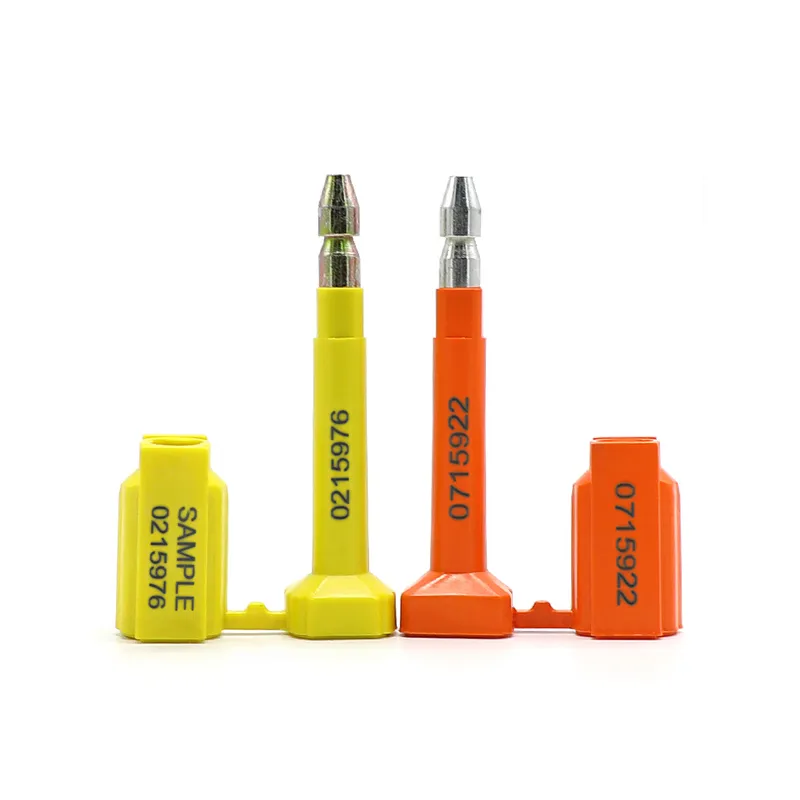
Modern high-security bolt seals do more than lock doors. Serial numbers provide unique identification for each seal, creating audit trails that track deployment, inspection, and removal. QR codes and barcodes enable digital scanning at checkpoints, linking physical seals to electronic records. Tamper-evident numbering makes any attempt to alter identification immediately visible.
These features transform seals from simple barriers into data points within larger tracking systems. When something goes wrong, investigators can trace exactly which seal was applied, when it was inspected, and where it was removed. That level of documentation proves invaluable for insurance claims, regulatory compliance, and internal security reviews.
Where Seal Technology Is Heading
The next generation of bolt seals will likely incorporate active monitoring capabilities. Smart seals with IoT connectivity can transmit real-time status updates, location data, and environmental readings. Instead of discovering tampering at the destination, shippers could receive immediate alerts when a seal is compromised mid-transit.
Blockchain technology offers another layer of verification. Distributed ledger systems can create immutable records of seal events, making it nearly impossible to falsify documentation after the fact. Material science continues advancing too, producing stronger alloys and more resilient plastics that resist sophisticated attacks. Sustainability concerns are pushing development of recyclable and biodegradable seal materials that maintain security performance. These innovations will reshape how companies approach cargo protection over the coming years.
Frequently Asked Questions About Bolt Seal Security
What is the difference between a high-security bolt seal and a standard seal?
High-security bolt seals meet ISO 17712 standards for specific breaking strengths across tensile, shear, impact, and bending tests. They include advanced tamper-evident features like anti-spin mechanisms and permanent locking systems. Standard seals lack these certifications and primarily serve as visual indicators rather than physical barriers against determined tampering attempts.
How often should bolt seals be inspected during transit?
Inspection should happen at every transfer point—origin loading, customs checkpoints, intermediate handling facilities, and final delivery. Each inspection creates a documented record of seal condition. Catching tampering early limits liability disputes and enables faster incident response while the trail is still fresh.
Can bolt seals be reused, and what are the risks?
High-security bolt seals are engineered for single use. The locking mechanism destroys itself during removal, making reuse physically impossible without obvious evidence of tampering. Any attempt to reuse seals—even lower-security versions—invalidates their protective function, creates compliance violations, and exposes shippers to liability if cargo is compromised.
Secure Your Supply Chain with Junchuang Lock Industry
Junchuang Lock Industry manufactures high-security bolt seals that meet ISO 17712 requirements for international shipping. Our integrated design, development, and production capabilities deliver consistent quality across large orders. Contact our team to discuss specific security requirements for your cargo operations. Reach us at [email protected] or +86 13853189290.