
Most sourcing guides for a China livestock ear tag factory stop at unit price, MOQ, and sample photos. They miss the three production details that decide whether the tags remain readable in the field: material grade, mold consistency, and marking durability. I look at this from a plastic components background, because our plant runs injection molding and serialization for security seals and livestock identification tags. The same process failures appear in both product lines. A factory’s tooling discipline, not its website, is the better predictor of long term performance.
What Should You Check First in a China Livestock Ear Tag Factory
Start with the injection molding area, not the sales office. A factory that controls its own molding can control wall thickness, gate position, and cycle stability. If ear tags are outsourced through a trading company, a batch defect cannot be traced back to the right mold or material lot. Ask for machine tonnage range, mold steel type, and maintenance records for the molds that will run your order. A factory that cannot show these records is not managing the process that most affects tag retention and clean marking. We keep mold history files because a worn gate or wrong ejection speed is the usual cause of a cracked tag boss or a weak neck. Ask to see first article samples from the same cavity set, not a polished display sample.
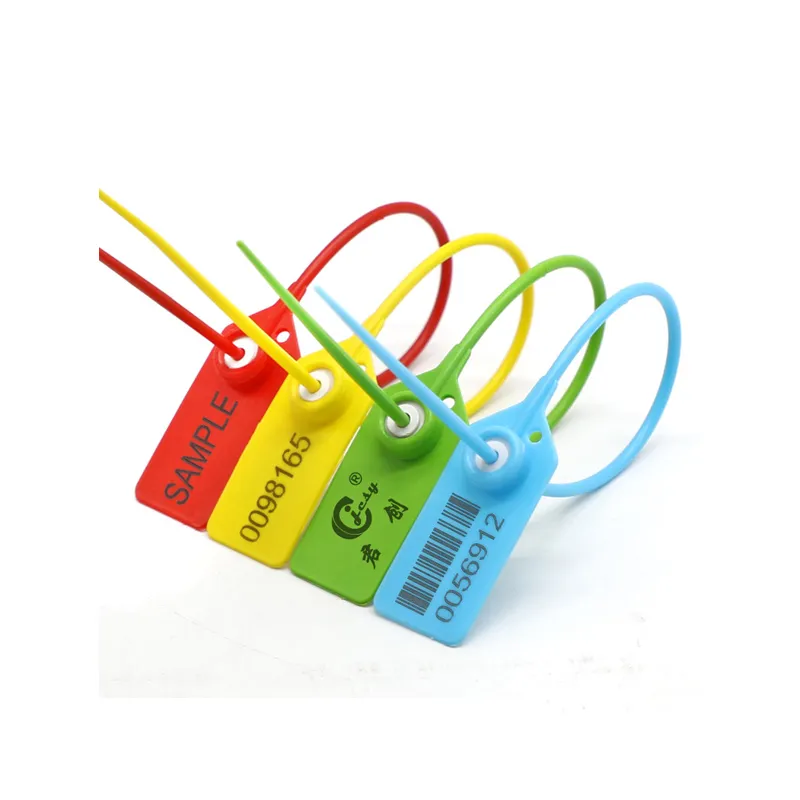
How Do Material and Molding Quality Determine Ear Tag Service Life
Livestock ear tags live on the animal, so material choice is not only a color decision. A tag made from general purpose polyethylene may survive installation but lose flexibility after months of UV exposure and animal oil. We specify polyurethane or modified TPU for cattle and sheep tags because these materials hold marking and resist tearing at the attachment point. Molding pressure and gate position matter just as much. A sharp internal edge near the neck concentrates stress, and that is the failure point I see most often. Ask the factory which resin grade it uses, who supplies the raw material, and whether it can run a small batch for field retention testing before tooling.
What Customization Options Matter for Livestock Identification
Custom ear tag programs usually fail at the specification stage, not on the farm. Buyers order a color and a number range without locking font height, contrast, sequence direction, or chip type. Then the first shipment arrives and the reading distance or readability does not match the farm system.
| Requirement | Factory capability to check | What to specify |
|---|---|---|
| Visual ID and number | Pad printing or laser marking | Sequence range, font height, contrast |
| Color coding | Custom color compounding | RAL or Pantone reference, UV stabilizer |
| Electronic ID | LF or UHF chip embedding | Chip type, read range, memory size |
| Mixed sizes | Multi cavity molds | Weight class ratio, packaging count |
| Sample approval | First article retention | Signed sample as bulk reference |
Each row is a decision point. If the factory cannot answer the right column with a number or a standard, the specification is still open.
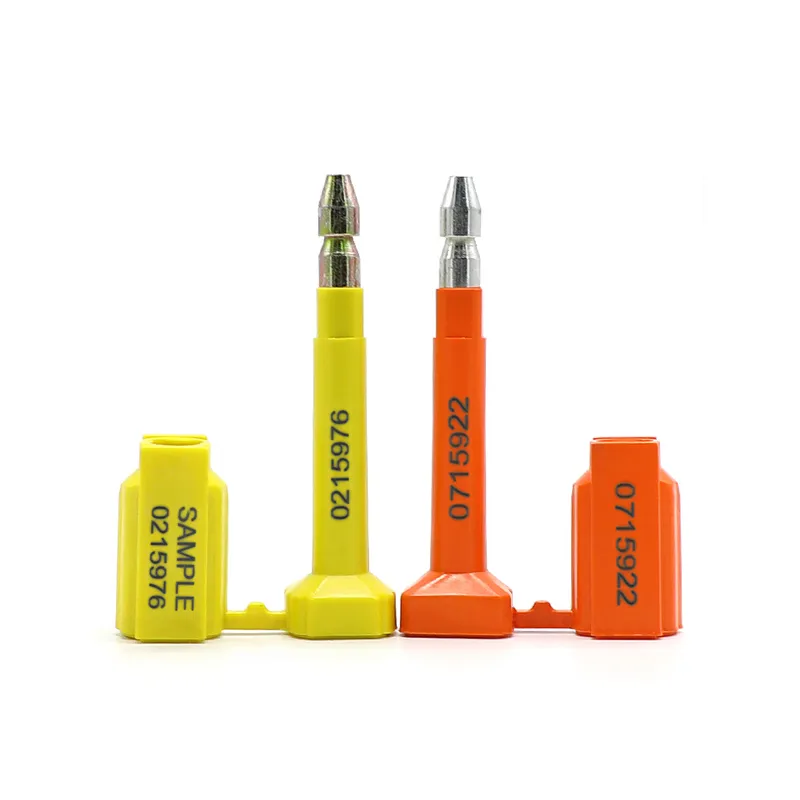
If your program includes high UV exposure, electronic identification, or multispecies tagging, it is worth confirming material grade, chip compatibility, and marking depth before finalizing the purchase order. Send your ear tag drawings, herd size, and color requirements to [email protected].
What Quality Control Points Should You Require Before Bulk Production
A China livestock ear tag factory should be able to show its AQL sampling plan and retained sample records. We test at three points: incoming resin, first article, and final lot sample. For numbered tags, we check the sequence against the packing list. A missing or repeated number turns a tracking system into a mess. For RFID tags, ask for read rate testing under farm conditions, not a perfect bench environment. Dust, moisture, and animal movement can cut read distance. The factory should record the test setup, not just the pass rate. If you are buying for a regulated program, ask for material certificates and a copy of the first article approval before the bulk run starts.
How Should You Prepare Your First Livestock Ear Tag Order
Before you send a purchase order, lock six details: material grade, tag dimensions, neck diameter, marking format, sequence length, and packaging count. Buyers often skip the sample stage to save lead time. That delay returns later as a full batch with the wrong hole size or a marking that rubs off. We ask for first article approval against your actual tag or a test animal. Once you approve it, that signed sample becomes the only reference for bulk production. If your order involves custom colors or RFID, run a small pilot lot before the full quantity.
At Junchuang Lock, we follow the same sequence for plastic security seals and livestock ear tags. If you are evaluating a China livestock ear tag factory and want to confirm material, tooling, or marking before committing, send your part number, target quantity, and marking format to [email protected] or call me on +86 13853189290. We will confirm material options, sample lead time, and a production plan based on your herd and installation method.
What Questions Do Buyers Ask About China Livestock Ear Tag Factories
How long do custom ear tags take from approval to shipment
Production lead time moves with tooling status and order mix. If the mold already exists, a standard numbered tag order can ship after sample approval within the production window quoted at order time. If a new mold is required, the schedule includes tooling and first article adjustment before the bulk run. Packaging type and laser marking depth also change the schedule. We quote the tooling step separately so the buyer can see exactly where the time goes. Ask for a weekly production update once the order is in the mold room.
Are cheaper ear tags more likely to crack in cold weather
Many buyers assume price and cold weather impact move together. The real driver is resin choice and mold design. A low cost tag made from flexible polyurethane may outlast a higher priced rigid polyethylene tag if the neck area is well gated. What matters is whether the factory uses a cold impact modified grade and tests the finished tag at low temperature. Request a small field test in your coldest season before committing to a large order. This is more reliable than comparing unit price alone.
Which is better for cattle, two piece tags or one piece tags
It depends on herd management style and tag loss tolerance. Two piece tags offer better readability because the printed panel stays outward, while one piece tags install faster and work well for short cycle animals. For breeding cattle and sheep that stay in the herd for years, I lean toward a two piece design with a reinforced neck. For feedlot or short term programs, a one piece tag saves labor. Match the tag type to how often animals move through a chute, not to the catalog photo.
Can I order mixed colors and number sequences in one batch
In our production records, mixed color and mixed sequence orders work best when the factory ships by color block and number range, not as a random assortment. We handle multi color runs through the same mold with controlled purging between resin changes. That keeps the first pieces of each color from contaminating the last pieces of the previous color. Specify the exact color to number mapping before production. Share your ear tag drawings, herd size, and marking requirements and we will confirm material choice, tooling cost, and sample lead time.
If you’re interested, check out these related articles:
OEM and ODM Security Seal Manufacturing Explained for Industry Leaders – Junchuang Lock
Custom Livestock Ear Tags: A Strategic Guide for Farm Efficiency – Junchuang Lock
Bulk Bolt Seal Orders MOQ and Pricing Strategies – Junchuang Lock