
Seal compliance in global trade is not only about buying an ISO 17712 marked seal. A shipment clears when the seal number, the certificate, and the physical locking evidence match across the supply chain. Over fifteen years in security seal manufacturing, I have seen most customs problems start in the gap between a certificate on paper and what the seal actually proves. This article covers what importers and procurement teams must verify before a container moves, from standards to factory audits, so that compliance can be proven instead of assumed.
What Does Seal Compliance in Global Trade Actually Require?
Seal compliance is a chain, not a single paper. A customs inspector rarely checks only whether a seal says high security. The inspector compares the seal model, the unique number, the bill of lading, and the test record. When any of those records move out of step, the shipment can be held for inspection even if the seal itself is strong.
At Junchuang Lock, we treat compliance as five inspection points: raw material hardness, locking geometry, marking depth, batch traceability, and independent test documentation. I have seen orders fail at port because the marking was legible on the sample but worn thin on production parts. A compliance discussion that ignores marking durability is not a full discussion.
How Do ISO 17712 and Customs Agreements Use Seal Compliance?
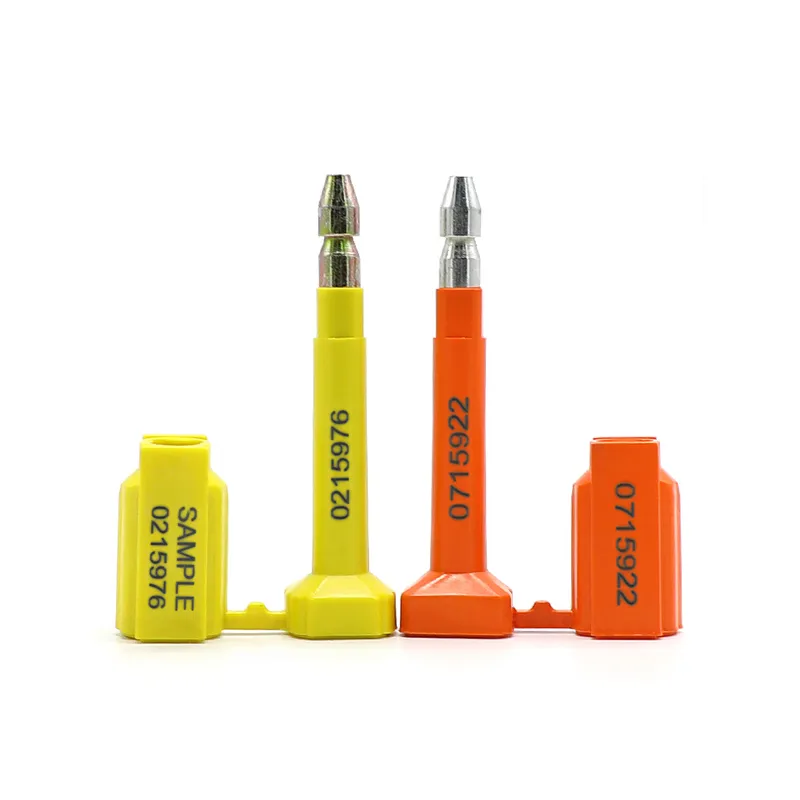
ISO 17712:2013 classifies mechanical seals for containers as indicative, security, or high security. The high security class is the one most trade programs care about, because it requires independent testing for tensile strength and tamper evidence. A factory declaration alone does not make a seal high security.
What an ISO 17712 certificate must show
The test report should identify the seal model, material, class, tested strength, and the laboratory that performed the test. If the report does not match the production drawing or the marking on the seal, the certificate is not useful. I have rejected third-party reports that showed the right company name but the wrong body diameter. That mismatch would have failed a desk audit.
How customs programs treat high security seals
The US C-TPAT (Customs Trade Partnership Against Terrorism) program asks importers to use high security seals that meet or exceed ISO 17712 on containers. The EU AEO (Authorized Economic Operator) program and the WCO SAFE Framework apply the same logic through different enforcement paths. When a route is covered by mutual recognition, the seal record can accelerate clearance, because the risk assessment has already started before the shipment reaches the border.
What Should a Factory Audit Verify for Seal Compliance?
A certificate carries weight only when the factory floor can reproduce the tested product. In audits, I focus on the controls that prevent batch drift: raw material hardness checks, pressing or injection pressure logs, pin seating torque, and marking jig verification. A factory that cannot show these records is asking the buyer to trust a piece of paper.
The most useful audit question is not “do you have a certificate?” It is “show me the last batch record and the failed samples.” Production control matters more than a clean warehouse or a friendly sales office. If the factory keeps reused scrap mixed with new raw material, the seal body can vary between batches. That variation is what customs sometimes finds only after the door has been cut.
If your program involves high security container seals under C-TPAT or AEO, confirm whether the factory can show independent ISO 17712 test reports, not only a certificate. Write to [email protected] with your destination lane and we will confirm the correct seal class and documentation.
Which Seal Types Match Different Trade Lanes?
Buying the wrong seal class creates a compliance problem before the container moves. The table below separates the main categories by security value and trade use.
| Seal type | Security class | Typical use | Key compliance point |
|---|---|---|---|
| Bolt seal | High security | Container doors, ocean freight | Independent ISO 17712 test report |
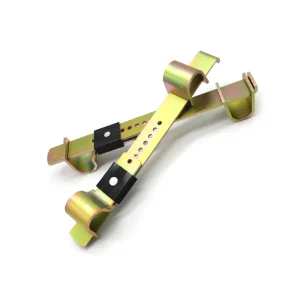
| Cable seal | Security or high security | Tanker, rail, irregular door gaps | Adjustable length, cut resistance |
| Barrier seal | High security | High-value cargo, long-haul | Heavy locking bar and serial record |
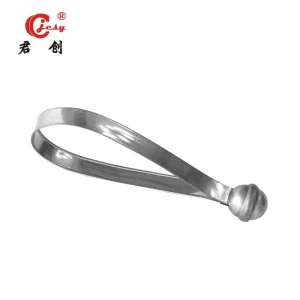
| Metal strap seal | Security | Cargo bundling, rail wagons | Material thickness and serial match |
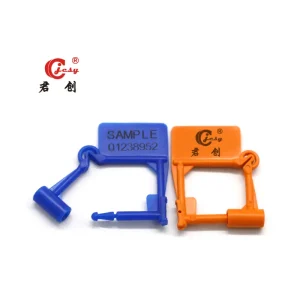
| Plastic indicative seal | Indicative | Truck, warehouse, utility meters | Tamper evidence, not theft resistance |
A dull plastic indicative seal on an ocean container is an immediate red flag. It tells the inspector that nobody separated container security from retail-level tamper evidence. The correct match depends on route risk and the customs program, but class confusion is easy to avoid when the manufacturer labels each product line clearly.
Where Do Seal Compliance Gaps Slow Down Imports?
The most costly gaps are rarely counterfeit seals. They are mismatches. A seal number on the bill of lading does not match the physical seal. A certificate names one factory while the packing list names another. A test report lists a body length that was never produced. We have corrected orders where the warehouse picked an indicative seal against a high security purchase order because the internal codes differed by one digit. The importer found out at the port, not at the dock.
These gaps can be controlled when one manufacturer manages the mold, the marking, the batch record, and the test file together. Before your next shipment, confirm that the supplier can assemble a single documentation package containing the seal number, class, test report, and production date. Send your part number and quantity to [email protected] or call +86 13853189290, and we will check stock and compliance documentation for your route. WhatsApp +86 13853189290 is also available for same-day confirmation.
What Do Importers Ask About Seal Compliance in Global Trade?
Is ISO 17712 the only standard needed for global trade?
No. ISO 17712 covers the seal body and independent testing, but customs programs add chain of custody, data filing, and mutual recognition requirements. A high security seal that meets ISO 17712 still needs correct documentation and a seal number that matches the shipping record. Check both the product standard and the route program before filing. Customs clearance depends on both, so do not treat one as a substitute for the other.
Can a factory issue its own ISO 17712 certificate?
A factory declaration does not carry the same weight as an independent laboratory test report. Many buyers assume the certificate from the supplier is the test report, but the two documents are not identical. Confirm that the report states the exact model, material, class, and tested strength. If the supplier cannot produce that report for the actual product, treat the high security claim as unsupported.
Does compliance mean using high security seals on every shipment?
It depends on two conditions: cargo value and the customs program. For ocean containers under C-TPAT or AEO, use high security. For local trucking, warehouse control, or utility meters, indicative or security class is usually appropriate. Matching the class to the risk is itself a compliance decision, not a cost-saving shortcut.
What should be checked before accepting a seal delivery?
In our order reviews, we check four records before release: the production batch, the marking sample, the tensile test report, and the packing list. A quick visual check also confirms that the seal number is stamped or laser marked clearly enough to read through a photo. If the paperwork and the physical seal do not line up, stop the shipment before it reaches the port. Share your part number and route requirements at [email protected] and we will confirm the applicable seal class and documentation.
If you’re interested, check out these related articles:
Bulk Cable Seal Purchase Guide: Strategic Procurement & Security – Junchuang Lock
How to Identify Tampered Security Seals: A Professional Guide – Junchuang Lock