
Plastic seal mistakes are often blamed on improper installation or selecting the wrong type, but in 15 years of manufacturing high-security seals, I have found that the root cause frequently traces back to the seal’s material quality and design, factors most buyers do not inspect until a failure happens. Procurement managers focus on price and lead time, while logistics teams focus on ease of use, but neither side asks the critical question: will this plastic seal hold under real-world stress, heat, and tampering attempts? The answer lies in polymer formulation, molding consistency, and the quality checks only an experienced manufacturer performs on every batch.
What Do Plastic Seal Mistakes Actually Cost Your Supply Chain?
A single broken plastic seal can trigger cargo inspections, theft claims, and shipment delays. In our production facility, we regularly hear from clients who lost entire contracts because a low-cost seal snapped during transit, leaving a container vulnerable. Replacing the seal costs almost nothing; the indirect cost of lost trust and operational disruption is where plastic seal mistakes create real damage. For high-value pharmaceutical or electronics shipments, a failed seal often means the receiver refuses the entire load until a full audit clears the inventory.
Beyond immediate losses, repeated seal failures erode your compliance record with customs authorities and insurance providers. These entities expect tamper-evident security that holds from origin to destination. If plastic seal mistakes become a pattern, insurers may raise premiums or exclude coverage for seal-related claims.
Which Plastic Seal Selection Errors Most Often Lead to Tamper Vulnerability?
Choosing the wrong plastic seal type is the most frequent mistake I observe from new customers. Many procurement teams default to the cheapest pull-tight seal, assuming all plastic provides the same level of security. Material thickness, locking mechanism design, and tensile strength vary significantly across seal types.
| Plastic Seal Type | Typical Tensile Strength | Common Selection Mistake |
|---|---|---|
| Pull Tight Seal | 20-30 kg | Underestimating required breaking force for heavy cargo |
| Plastic Padlock Seal | 15-25 kg | Selecting a seal without weather resistance for outdoor use |
| Fixed Length Seal | 18-28 kg | Ordering a length that forces over-tightening or leaves slack |
| Adjustable Seal | 10-20 kg | Using where a higher-strength bolt seal is required |
Matching the seal to the application is the first barrier against tampering. A seal that can be snapped by hand offers zero security, yet many importers treat all plastic seals as interchangeable. If your cargo routes face high-risk zones or you are unsure whether plastic seals meet your security requirements, confirm the correct seal grade before finalizing your procurement. Reach out at [email protected] and we will review your application.
How Do Installation and Handling Errors Destroy Tamper Evidence?
Even the best plastic seal fails if it is applied incorrectly. I have witnessed warehouse staff over-tighten a pull-tight seal until the internal locking teeth stripped, leaving the seal loose enough to be removed without cutting. The result was a seal that appeared intact but could be reused, defeating the entire purpose of tamper evidence.
Proper installation means pulling the strap until it is snug against the closure, never forcing it beyond the designed stopping point. For fixed-length seals, using a tool that applies consistent pressure prevents uneven stress that can weaken the locking mechanism over time. Training your team on these simple steps reduces field failures dramatically, yet companies rarely include seal handling in their standard operating procedures.
Storage also plays an underrated role. Plastic seals stored in direct sunlight or in high-temperature warehouses for months before use can degrade. The polymer starts to oxidize, making it brittle. When a seal snaps during normal application, the operator blames the product, not the storage conditions. We always recommend storing plastic seals in a cool, dry place, away from UV exposure.
Why Do Environmental Factors Cause Premature Plastic Seal Failures?
Plastic seals that work perfectly in a temperature-controlled warehouse can fail within hours on a container ship crossing equatorial waters. UV radiation, salt spray, and extreme temperature swings break down standard polymers fast. A common plastic seal mistake is assuming that a seal rated for indoor use will perform the same outdoors.
For outdoor or maritime applications, the seal material must contain UV inhibitors and stabilizers. At our factory, we compound the polyethylene with specific additives that extend service life under direct sun. This is not a luxury; it is a necessity for any seal used on containers, trucks, or external meter boxes.
I recall a client who experienced repeated seal failures on tanker trucks in the Middle East. The problem was not the seal design; it was the standard polyethylene formula that softened at 50°C ambient plus radiant heat from the metal tank. Switching to a heat-resistant grade solved the issue immediately.
How Can a Quality-Focused Manufacturer Eliminate These Mistakes Before You Order?
Most plastic seal mistakes originate at the design and production stage, not in the field. A manufacturer that prioritizes consistent material sourcing, mold precision, and batch testing will produce seals that perform predictably. When you evaluate a supplier, ask for tensile strength test reports, material certifications, and evidence of in-line quality checks. Price alone tells you nothing about reliability.
We run every batch of plastic seals through a 5-point inspection that includes breaking force measurement, tamper evidence testing, and visual defect screening. This is standard practice for our production line, not an optional service. Our plastic seal manufacturing overview explains the inspection process in more detail. We also maintain sample archives of every customer-specific seal so we can replicate exact color, marking, and dimensions on reorders without drift. That level of control is the difference between a seal supplier and a security partner.
Questions Procurement Teams Ask About Plastic Seal Mistakes
Does color coding affect seal performance?
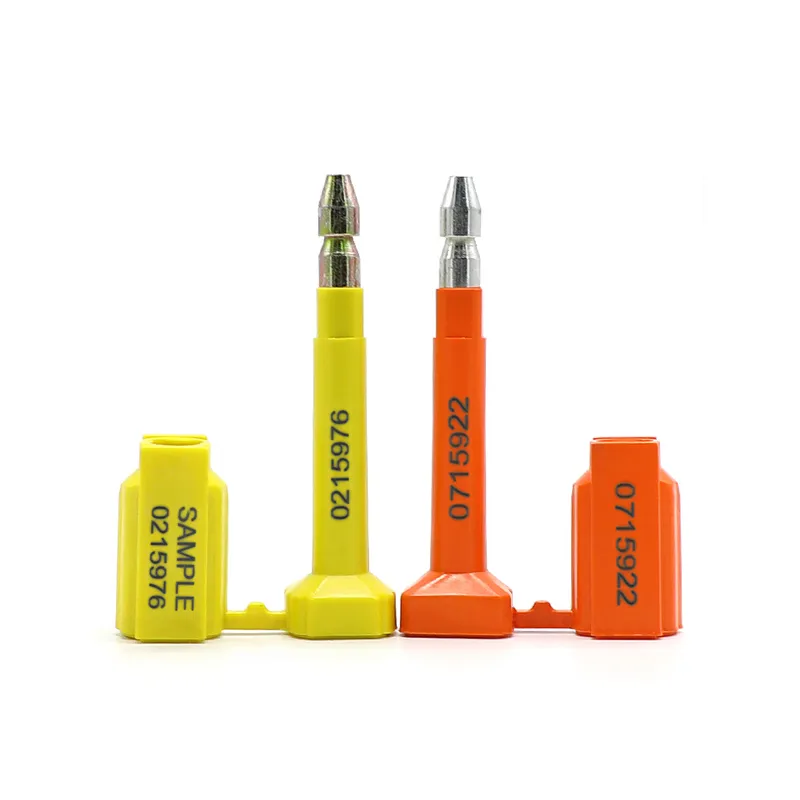
Color does not directly influence physical strength, but it plays a role in operational security. Using red seals for high-value cargo and yellow for standard shipments, for example, creates a visual audit trail that reduces handling mistakes. The pigment itself must be compatible with the plastic base to avoid weakening the material; a responsible supplier will validate color batches for consistency.
How can I verify a plastic seal supplier’s material quality before placing a bulk order?
Request a pre-production sample and test it under your actual working conditions. Check for brittleness, ease of locking, and whether the seal can be removed without visible damage. Ask the supplier for tensile strength data from an independent lab. We provide this documentation with every sample shipment because it gives the buyer confidence in the product before committing to volume.
Can I use the same plastic seal for both indoor and outdoor storage?
Only if the seal is explicitly rated for outdoor exposure. Indoor seals may lack UV stabilizers and can become brittle in sunlight within weeks. If your logistics chain involves outdoor staging or open-air truck beds, specify a weather-resistant grade from the start.
What is the most common plastic seal mistake that leads to cargo theft?
Using a seal with insufficient breaking strength for the application. Thieves can quickly snap a weak seal with a simple tool or by hand, then reseal with a duplicate. Matching the seal’s tensile rating to the level of forced-entry risk on your route is the simplest way to cut this vulnerability. Share your transport conditions and we will confirm the correct strength grade for your shipments at [email protected].
If you’re interested, check out these related articles:
Heavy Duty Cable Seal Manufacturer Guide: Global Security Standards – Junchuang Lock
Bulk Bolt Seal Orders MOQ and Pricing Strategies – Junchuang Lock
Wholesale Bolt Seals for Shipping: Enhancing Global Logistics Security – Junchuang Lock