
Every shipment that leaves a facility carries more than cargo—it carries trust. A single compromised seal can unravel weeks of careful logistics planning, trigger customs investigations, and leave a company explaining losses that should never have happened. Getting bolt seal quality inspection right isn’t just about following procedures. It’s about understanding what these small devices actually do and why cutting corners on verification creates risks that compound across the entire supply chain.
What High-Security Bolt Seal Standards Actually Require
High-security bolt seals exist because standard seals simply cannot withstand determined tampering attempts. The distinction matters. ISO 17712 sets the baseline, classifying seals into three categories based on their ability to resist physical attack. Only seals rated “H” for High Security meet the threshold for international container shipping under programs like C-TPAT.
The standard isn’t arbitrary. A High Security rating means the seal has demonstrated minimum breaking strength of 1000 kg across tensile, shear, and bending tests. That’s the force required to defeat the seal through brute physical means—enough to deter opportunistic tampering and ensure that any successful breach leaves unmistakable evidence.
| Bolt Seal Type | Material Composition | Typical Application | Security Level (ISO 17712) |
|---|---|---|---|
| Steel Bolt Seal | Steel bolt, ABS plastic coating | Shipping containers, rail cars | High Security (H) |
| Plastic-Coated Steel | Steel bolt, thicker ABS plastic casing | Intermodal containers, high-value cargo | High Security (H) |
C-TPAT requirements specifically mandate ISO 17712 “H” class seals for containers entering the United States. This isn’t a suggestion—it’s a compliance requirement that affects customs processing times and audit outcomes. Seals that lack proper certification create documentation gaps that can delay shipments and trigger additional inspections.
Setting Up Pre-Inspection Protocols That Actually Work
The physical inspection itself is only as good as the documentation supporting it. A seal with a misrecorded serial number creates the same traceability problem as a missing seal—the chain of custody breaks, and proving what happened becomes difficult or impossible.
Effective pre-inspection starts before anyone touches the seal. Serial number verification against shipping manifests catches discrepancies early, when they’re still correctable. Confirming that the seal type matches the security requirements for the specific cargo prevents the common mistake of using lower-rated seals on high-value shipments.
Here’s what a practical pre-inspection checklist looks like:
- Verify the seal’s serial number against shipping manifests and internal records
- Confirm the seal type matches the specified security requirements for the cargo
- Inspect the seal for any visible damage or inconsistencies before application
- Ensure the application area on the container or trailer is clean and undamaged
- Document the seal’s application time, date, and responsible personnel
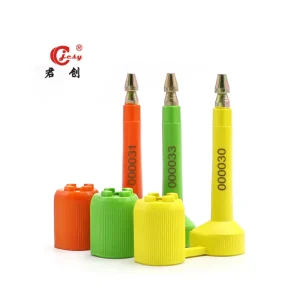
The documentation step gets skipped more often than anyone likes to admit. Recording who applied the seal, when, and where creates accountability and provides investigators with starting points if something goes wrong later.
How to Conduct Visual and Physical Bolt Seal Inspections
Hands-on inspection catches what paperwork cannot. A seal might have the correct serial number and proper documentation while still showing physical signs of tampering that indicate compromise. Training personnel to recognize these indicators separates effective bolt seal quality inspection from checkbox compliance.
1. Verify Serial Numbers
Match the serial number on the bolt seal with the number on shipping documentation. Any discrepancy—even a single digit—requires immediate investigation. Transposed numbers might indicate recording errors, but they might also indicate seal substitution.
2. Examine the Bolt and Barrel
Inspect both components for cuts, welds, or signs of re-engineering. The bolt and barrel should appear original and undisturbed. Fresh weld marks or grinding residue suggest someone removed and reattached the seal.
3. Check Plastic Coating Integrity
For plastic-coated bolt seals, look for cracks, melting, or unusual discoloration on the plastic casing. Heat guns and chemical solvents can soften plastic enough to remove it without cutting, then reapply it to conceal tampering.
4. Assess Locking Mechanism
Ensure the locking mechanism is fully engaged and cannot be easily dislodged without force. A loose or partially engaged seal provides no security regardless of how it looks.
5. Look for Tool Marks
Search for pry marks, cutting marks, or other tool impressions on the seal’s surface. These are clear signs of attempted forced entry, even if the attempt was unsuccessful.
6. Confirm Manufacturer’s Markings
Verify the presence and clarity of the manufacturer’s logo or identification marks. Faded or absent markings may indicate a counterfeit seal that lacks the material properties of genuine products.
7. Check for Re-numbering
Examine the serial number area for signs of alteration, such as scratched-out numbers or inconsistent fonts. Re-numbering allows compromised seals to be substituted while maintaining apparent documentation continuity.
Common bolt seal failures fall into two categories: deliberate tampering and manufacturing defects. Tampering methods include cutting the bolt and re-welding it, attempting to re-number the seal, or using counterfeit seals that mimic genuine ones. Manufacturing defects can result in compromised locking mechanisms where the bolt doesn’t secure properly, or brittle material that breaks under minimal stress. Both failure types undermine security protocols, making detection essential.
When Visual Inspection Isn’t Enough
Surface examination has limits. A skilled tamperer can defeat visual inspection by carefully concealing their work. Advanced techniques and destructive testing provide deeper assurance when the stakes justify the additional effort.
Destructive testing involves physically breaking the seal under controlled conditions to measure its actual breaking strength. This confirms compliance with ISO 17712 standards and identifies material weaknesses that wouldn’t be apparent otherwise. Running destructive tests on samples from production batches catches manufacturing inconsistencies before compromised seals reach the field.
Non-destructive testing, such as X-ray analysis, can detect internal modifications or material inconsistencies without damaging the seal. Laboratory analysis can identify chemical alterations to plastic coatings or verify the metallic composition of the bolt. When a seal has been compromised, forensic analysis reveals the tools and methods used—information that helps improve future detection.
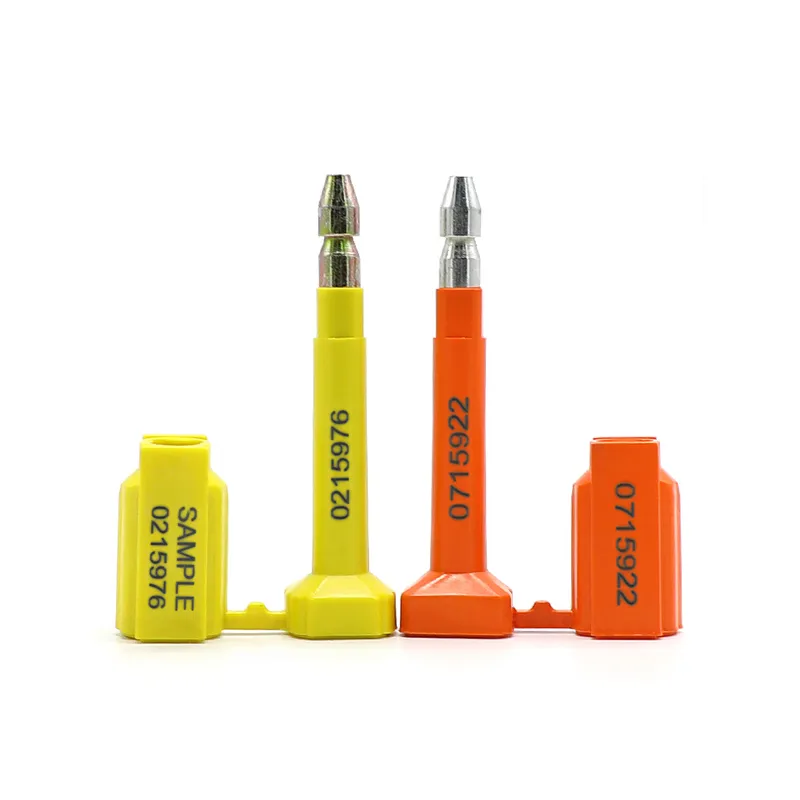
One question comes up repeatedly: can bolt seals be reused after inspection? The answer is no, and the reasoning matters. High-security bolt seals are designed for single-use applications. Their tamper-evident features ensure that once a seal is removed, it cannot be reapplied without clear evidence of compromise. Reusing a bolt seal, even if it appears intact, introduces security risks because the locking mechanism may be weakened or subtle alterations could go unnoticed. Security protocols mandate a new, uniquely numbered seal for every application to maintain an unbroken chain of custody.
Why Seal Integrity Affects Everything Downstream
The financial case for rigorous bolt seal quality inspection is straightforward. Cargo theft costs businesses billions globally each year. A robust seal acts as both deterrent and detection mechanism—it discourages opportunistic tampering and provides immediate evidence when unauthorized access occurs.
Customs compliance adds another layer. Many international trade agreements, including C-TPAT, require certified high security seals. Failure to meet these standards results in customs delays, fines, and potential cargo seizure. The cost of a single delayed shipment often exceeds the cost of an entire year’s worth of quality seals.
Beyond direct financial impact, security breaches damage brand reputation and customer trust in ways that take years to rebuild. A company known for cargo losses becomes a company that struggles to win contracts.
Inspection frequency depends on cargo type, value, route, and specific customs regulations. For high-risk shipments or those carrying valuable goods, inspections should occur at every transfer point and upon arrival. Routine checks at origin, during transit when accessible, and at final destination provide multiple opportunities to catch problems. Customs regulations often dictate minimum inspection frequencies, but risk assessment should drive the actual schedule.
Work With a Manufacturer That Understands What’s at Stake
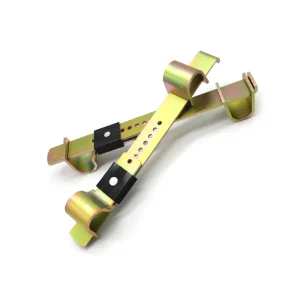
Supply chain security depends on seals that perform as specified. Shandong Junchuang Lock Industrial Co., Ltd. manufactures ISO 17712 certified bolt seals designed for maximum security, backed by decades of production experience. Our integrated approach—covering design, development, testing, production, and sales—ensures consistent quality across every batch.
Contact our specialists for consultation on selecting the right sealing solutions for your specific logistics and compliance requirements. Email us at [email protected] or call/WhatsApp +86 13853189290.
Frequently Asked Questions About Bolt Seal Quality
What makes a bolt seal ‘high security’?
High-security bolt seals meet ISO 17712 standards through robust construction, tamper-evident design, and unique serial numbers that deter and detect unauthorized access. They undergo rigorous testing for tensile, shear, and bending strength, demonstrating they can withstand significant force before failure. This classification is required for international shipping and customs compliance.
How can I verify a bolt seal’s authenticity?
Check for ISO 17712 certification marks, match serial numbers with documentation, and examine the seal for signs of counterfeiting or re-engineering. Consistent branding, clear serial numbers, and the absence of tool marks or re-welding indicate genuine products. Reputable manufacturers maintain traceable production batches that can be verified.
What are the consequences of using non-compliant bolt seals?
Non-compliant bolt seals lead to customs delays, fines, increased theft vulnerability, insurance claim rejections, and reputational damage. They fail to provide adequate security, leaving cargo exposed to tampering. The resulting disruptions to trade operations often cost far more than proper seals would have.
Does Junchuang Lock Industrial offer custom bolt seal solutions?
Yes, Shandong Junchuang Lock Industrial designs and manufactures custom high-security bolt seals tailored to specific industry requirements. We work with clients to develop seals that meet unique operational needs and compliance standards, including brand integration and specialized security features.