
Bolt seals do one job, and they do it well: they keep containers closed until someone with the right tools decides otherwise. That simple function carries enormous weight in global logistics, where a single compromised shipment can mean tens of thousands in losses and weeks of investigation. These aren’t sophisticated electronic devices or complex locking systems. They’re engineered metal and plastic designed to fail visibly if anyone tries to force them. That visible failure is the whole point.
What Goes Into a Bolt Seal
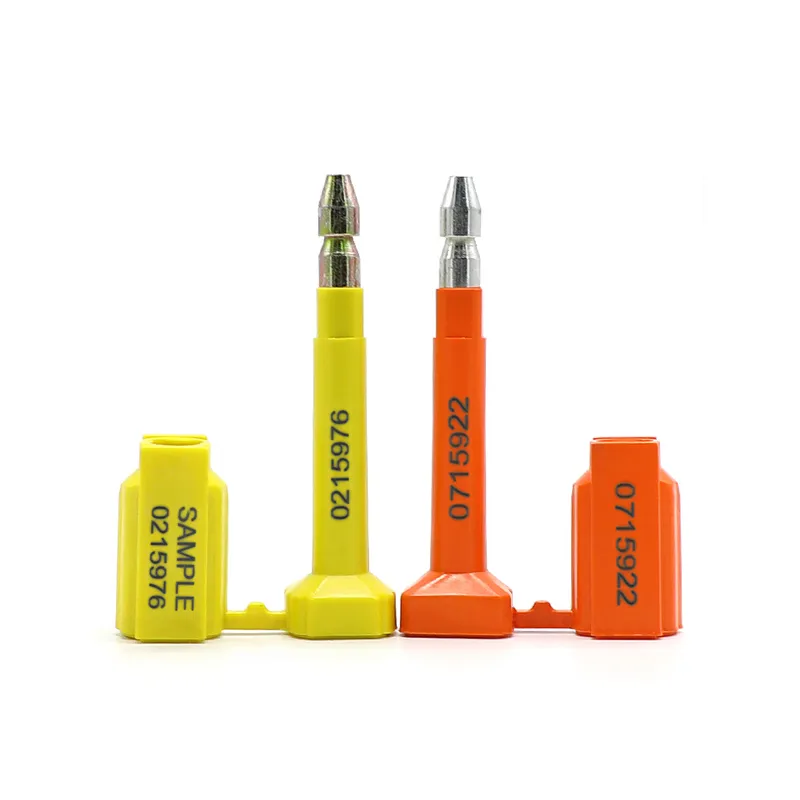
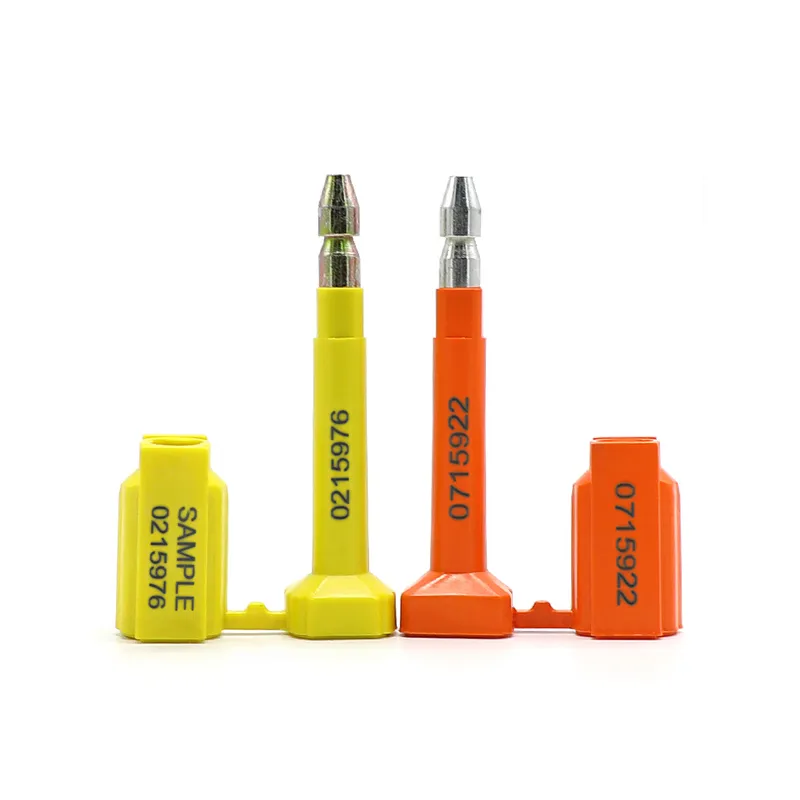
The construction is straightforward. A hardened steel bolt passes through container door latches, then locks into a steel barrel housing an internal mechanism. Both pieces typically wear a plastic coating that serves double duty: protecting the metal from corrosion and providing a surface for serial numbers and other markings.
That plastic layer matters more than it might seem. Any attempt to manipulate the seal tends to crack, deform, or scratch the coating in ways that can’t be hidden. The steel underneath provides the actual security, but the plastic tells the story of what happened during transit.
Manufacturers apply serial numbers through laser marking, which creates permanent identification that resists scratching or alteration. Sequential numbering allows logistics teams to track seals through the supply chain and spot gaps that might indicate theft or substitution. Junchuang Lock produces these bolt seal components with strict quality control, ensuring consistent materials and construction across production runs.
The Mechanics Behind Secure Locking
The locking process takes seconds. Insert the steel bolt through the container’s locking points, push it into the barrel until the internal mechanism engages, and the seal is set. That engagement creates a one-way connection. The bolt goes in but won’t come back out without bolt cutters.
Inside the barrel, the locking mechanism grips the bolt through a combination of spring tension and mechanical interference. Some designs incorporate anti-spin features that prevent removal attempts using rotation rather than cutting force. The goal is always the same: make the seal impossible to defeat without leaving obvious evidence.
Tensile strength and cutting resistance determine how much effort removal requires. Higher-quality seals demand industrial-grade cutters and significant force, which means more time, more noise, and more risk for anyone attempting unauthorized access. Many bolt seals meet C-TPAT compliance standards, which sets baseline security requirements for international freight moving into the United States.
What Makes a Bolt Seal Tamper-Evident
Tamper evidence comes from multiple design features working together. The plastic coating shows visible damage when forced. Serial numbers and laser markings reveal scratching or alteration attempts. Internal locking components break or deform permanently when someone tries to defeat them without proper tools.
These indicators allow visual inspection to catch problems quickly. A logistics worker checking seals at a receiving dock doesn’t need special equipment to spot a compromised seal. Cracked plastic, misaligned components, or damaged markings all signal that something happened during transit. Forensic analysis can provide additional confirmation when disputes arise, but the initial detection happens through straightforward observation.
Variations in Locking Mechanism Design
Most bolt seals use one-way locking systems, though the specific implementation varies. Internal locking types fully enclose the mechanism within the barrel, making it harder for anyone to probe or manipulate the components. External locking designs may expose some elements while maintaining overall security through robust construction.
Locking pin configurations differ as well. Anti-spin features have become increasingly common as counterfeit and bypass techniques have evolved. The core principle remains consistent across all designs: once engaged, the seal requires destructive removal that leaves clear evidence of tampering.
ISO 17712 and What It Actually Means
ISO 17712 certification establishes the global standard for high-security seals. The specification defines testing procedures and performance criteria that seals must pass to earn classification at different security levels. Compliance matters for customs clearance and regulatory requirements in international shipping.
The standard creates three classification tiers based on physical strength and attack resistance:
| Classification | Description | Security Implication |
|---|---|---|
| H | High Security Seal (Barrier Seal) | Required for international cargo, highest protection level |
| S | Security Seal | Suitable for domestic transport, medium protection |
| I | Indicative Seal | Primarily tamper evidence, lowest physical security |
Testing under ISO 17712 evaluates tensile strength, shear strength, and bending resistance. A seal that passes at the H level can withstand substantial force across multiple attack vectors. Junchuang Lock manufactures ISO 17712 high security seals that meet these requirements through controlled material selection and manufacturing processes.
Where High-Security Bolt Seals Get Used
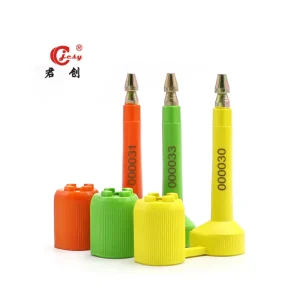
Container security drives most bolt seal demand. Intermodal containers moving between ships, trains, and trucks need consistent protection throughout their journey. A seal applied at a factory in one country must remain intact through multiple handling points until final delivery thousands of miles away.
Rail transport presents particular challenges. Railcars sit in yards, sometimes for days, with limited supervision. Bolt seals on railcar latches provide both security and accountability, creating a clear record of whether access occurred during transit.
Road freight relies heavily on truck security seals for trailer protection. Long-haul routes cross multiple jurisdictions with varying levels of oversight. A robust bolt seal reduces vulnerability during rest stops, border crossings, and overnight parking.
Warehouse applications extend beyond transportation. Securing entry points to high-value storage areas, protecting evidence rooms, and controlling access to sensitive materials all benefit from tamper-evident sealing. Junchuang Lock provides reliable Container Bolt Seal and Shipping Container Bolt Seal solutions across these applications.
Checking Seals Properly
Verification requires attention to detail but not specialized equipment. Start with visual inspection of the entire seal, looking for cracks, breaks, or deformation in the plastic coating. Check that the bolt sits properly in the barrel without unusual gaps or misalignment.
Serial number verification comes next. The number on the seal must match shipping documents exactly. Any discrepancy, whether a different number entirely or subtle alterations to individual digits, indicates a potential problem. Sequential numbering helps here. If seals should run from 10001 through 10010, and seal 10005 shows different characteristics than its neighbors, that warrants investigation.
Examine laser markings for scratching, fading, or signs of re-marking. Legitimate wear from handling looks different from deliberate alteration. Training personnel to recognize these differences improves detection rates significantly.
Document everything. Maintaining records of seal numbers, application points, inspection results, and removal creates an audit trail that supports investigation when problems occur. This documentation also demonstrates due diligence to insurers and regulators.
Practical Steps for Authenticity Verification
Check physical condition first. Look for cuts, breaks, or marks that don’t match normal handling wear. Confirm the serial number against your manifest or tracking system. Examine laser marking quality and consistency. Verify that all components connect firmly and show no signs of separation or reattachment.
These steps take seconds per seal but catch the majority of tampering attempts. The key is consistency. Every seal, every shipment, every time.
Strengthen Your Cargo Protection
Junchuang Lock engineers ISO 17712 compliant high-security bolt seals designed for real-world logistics challenges. Our manufacturing processes ensure consistent quality across production volumes, with customization options for serial number ranges, marking, and color coding. Contact our team to discuss your specific security requirements. Email: [email protected] or Mobile: +86 13853189290.
Frequently Asked Questions About Bolt Seal Security
What makes a bolt seal tamper-evident?
The tamper evidence comes from design elements that reveal interference. Plastic coatings crack or deform under force. Serial numbers and laser markings show scratching when altered. Internal locking mechanisms break permanently rather than releasing cleanly. These features mean that defeating a seal without detection requires either replacing it entirely (which creates serial number discrepancies) or accepting visible damage that inspection will catch.
How do I verify the authenticity of a bolt seal?
Match the serial number against your shipping records first. Then inspect the seal visually for physical damage, coating irregularities, or marking alterations. Check that components fit together properly without gaps or looseness. Compare the seal’s appearance to others from the same batch if possible. Inconsistencies in any of these areas suggest either tampering or counterfeit seals.
What are the different types of bolt seal locking mechanisms?
Most designs use one-way mechanical locking where a steel bolt engages permanently with a barrel mechanism. Variations include fully internal systems that enclose all locking components, external designs with visible but protected elements, and anti-spin configurations that resist rotational attack methods. All share the requirement for destructive removal, ensuring that opening the seal leaves evidence.
How does ISO 17712 compliance benefit my logistics operations?
Compliance guarantees your seals meet internationally recognized strength and tamper-resistance standards. This facilitates customs clearance in jurisdictions that require certified seals. It reduces theft and unauthorized access risk through verified security performance. It also demonstrates due diligence to insurers, partners, and regulators who expect adherence to established security protocols.
Can bolt seals be customized for specific security needs?
Customization options include company logos, specific serial number ranges, color coding for different routes or cargo types, and specialized marking content. These features improve traceability and brand identification while maintaining security performance. Custom seals also make counterfeiting more difficult since generic replacements won’t match your specific configuration.