
Shipping containers cross oceans, sit in ports for days, and pass through dozens of hands before reaching their destination. Somewhere along that journey, the question always surfaces: how do you know nothing was touched? That uncertainty drives the entire conversation around bolt seals. These small metal devices carry a disproportionate weight in global logistics—not because they’re sophisticated, but because they’re definitive. A broken seal tells a story that paperwork cannot dispute.
The Mechanics Behind High-Security Bolt Seals
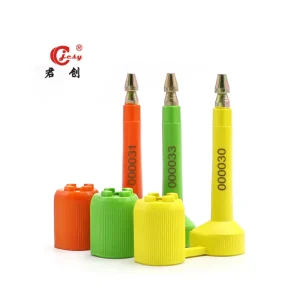
High-security bolt seals work on a simple principle: once locked, they cannot be opened without destruction. The design pairs a hardened steel pin with a locking barrel. Push the pin through the container’s locking bars and into the barrel, and the internal mechanism grips permanently. Removing it requires bolt cutters capable of shearing through hardened metal—a process that leaves obvious evidence.
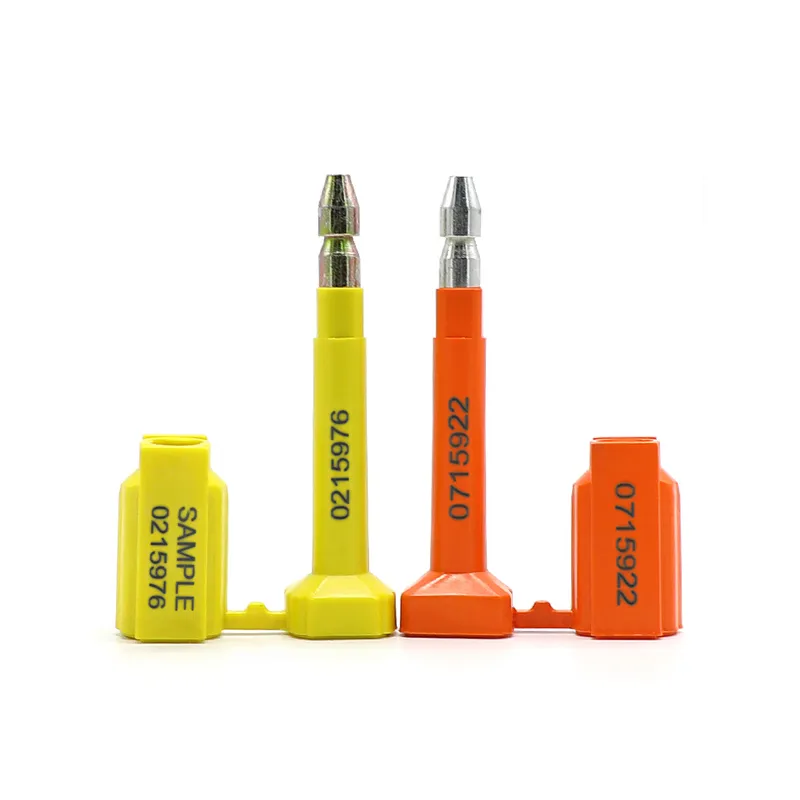
The materials matter more than most people realize. Carbon steel provides the core strength, while galvanization or plating protects against corrosion during weeks at sea. The outer ABS plastic casing serves dual purposes: it shields the metal from environmental damage and provides a surface for laser-etched serial numbers that cannot be rubbed off or altered. These numbers create the audit trail that customs officials and logistics managers rely on.
| Feature | Description | Material Examples |
|---|---|---|
| Pin & Barrel | High-strength steel core, often galvanized or plated | Carbon Steel, Stainless Steel |
| Outer Casing | Encapsulates the steel, provides tamper evidence | ABS Plastic, Polypropylene |
| Marking | Laser-etched serial numbers, logos, barcodes | Permanent Laser Marking |
| Break Strength | Minimum force required to break the seal | Typically >1000 kg (ISO 17712 compliant) |
| Anti-Spin | Prevents rotation of pin and barrel when locked | Integrated anti-rotation features |
ISO 17712 Certification and What It Actually Requires
ISO 17712 sets the international benchmark for mechanical freight container seals. The standard specifies minimum break strength thresholds, tamper-evidence requirements, and testing protocols that seals must pass before earning certification. For high-security bolt seals, this means withstanding forces exceeding 1000 kg before failure.
The certification carries practical weight beyond technical specifications. C-TPAT membership requires ISO 17712 compliant seals on all containers entering the United States. Similar requirements exist across major trading blocs. A bolt seal without this certification may physically secure a container, but it creates compliance gaps that can delay shipments or trigger additional inspections.
Why Bolt Seals Remain Central to Freight Security
Bolt Seals occupy a specific niche in container security: they provide undeniable physical evidence of whether a container was opened. Electronic monitoring can track location and temperature, but a bolt seal answers the fundamental question of access.
The economics reinforce their importance. Cargo theft costs the global shipping industry billions annually. A single compromised container can mean lost inventory, insurance claims, and damaged relationships with customers who expected intact deliveries. A Security Container Bolt Seal creates accountability at every handoff point. When a container arrives with its original seal intact and serial number verified, responsibility for its contents transfers cleanly.
The visual aspect matters too. A properly applied bolt seal signals to anyone handling the container that its contents are monitored and protected. This deterrent effect is difficult to quantify but consistently reported by logistics managers as a factor in reducing opportunistic theft.
Matching Bolt Seal Specifications to Shipping Requirements
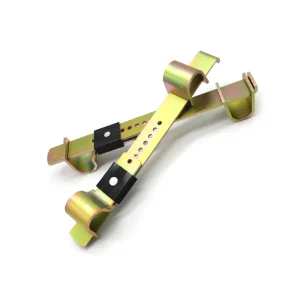
Choosing the right Cargo Container Bolt Seal involves matching security features to actual risk levels. Over-specifying wastes money; under-specifying creates vulnerabilities.
- Assess Cargo Value and Risk: High-value electronics warrant different protection than bulk agricultural products.
- Understand Shipping Routes: A container traveling from Shanghai to Rotterdam faces different exposure than one moving between neighboring countries.
- Comply with Regulations: ISO 17712 compliance is non-negotiable for most international routes. Specific trade programs may impose additional requirements.
- Evaluate Material Strength: Hardened steel pins resist cutting tools more effectively than standard carbon steel.
- Consider Customization Options: Unique serial numbers are standard. Barcodes and company logos add traceability layers that simplify verification.
- Prioritize Ease of Application and Verification: A seal that’s difficult to apply correctly invites user error.
- Choose a Reliable Supplier: Consistency matters. A seal that performs differently batch to batch undermines the entire system.
| Feature | Low-Risk Cargo (e.g., bulk goods) | High-Value Cargo (e.g., electronics) |
|---|---|---|
| Security Level | Standard ISO 17712 Compliant | Enhanced ISO 17712 Compliant |
| Material | Carbon Steel + ABS | Hardened Steel + ABS |
| Customization | Basic serial numbering | Advanced numbering, barcodes, logos |
| Break Strength | Standard (e.g., 1000kg) | Higher (e.g., 1200kg+) |
| Anti-Spin Feature | Recommended | Essential |
| Cost-Effectiveness | Balanced | Prioritize security over minimal cost |
Application Protocols That Determine Seal Effectiveness
A high-security bolt seal provides no protection if applied incorrectly. The procedures surrounding application and verification determine whether the seal functions as intended.
- Proper Application: The pin must pass through both container locking bar keepers before entering the barrel. A seal that bypasses one keeper can be removed without cutting.
- Immediate Verification: Pull firmly on the applied seal. If it moves or releases, it wasn’t properly engaged.
- Record Details: Document the seal number, container number, date, time, and the identity of the person applying it. This documentation becomes evidence if questions arise later.
- Visual Inspection: Check for scratches, tool marks, or irregularities that might indicate prior tampering attempts.
- Verification at Each Transfer Point: Every time custody changes, the receiving party should verify the seal number against documentation and inspect for tampering.
- Secure Removal: Only authorized personnel should remove seals. Record who removed it, when, and why.
The Realistic Limits of Bolt Seal Security
No seal is impenetrable. High-security bolt seals are designed to be tamper-evident rather than tamper-proof. The distinction matters.
A determined attacker with appropriate tools can cut through any bolt seal. The security value lies in the evidence this leaves behind. Hardened steel requires heavy-duty bolt cutters that produce clean cuts distinguishable from manufacturing seams. Anti-spin mechanisms prevent the pin from being rotated—a technique that could otherwise allow removal without visible damage. Laser-etched serial numbers resist the counterfeiting attempts that might otherwise allow a compromised seal to be replaced with a convincing duplicate.
The practical security comes from combining robust physical barriers with verification procedures that make tampering detectable. A seal that’s never inspected provides little protection regardless of its specifications.
Electronic Integration and the Evolution of Seal Technology
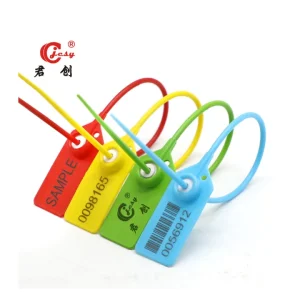
Traditional bolt seals provide binary information: intact or compromised. Emerging technologies add layers of data that expand what seals can communicate.
RFID bolt seals embed chips that transmit unique identifiers when scanned. This speeds verification at checkpoints and reduces the documentation errors that plague manual recording. More advanced versions integrate with IoT platforms to provide real-time location tracking and tamper alerts. A seal that’s cut triggers an immediate notification rather than waiting for discovery at the next inspection point.
Some smart seals now monitor environmental conditions—temperature, humidity, shock events—that matter for sensitive cargo. This data creates a continuous record of container conditions throughout transit, valuable for both security and quality assurance purposes.
The technology adds cost and complexity. For many shipments, traditional bolt seals remain the practical choice. The decision depends on cargo value, route risk, and whether the additional data justifies the investment.
Partner with Shandong Junchuang for Enhanced Security
Elevate your container shipping security with industry-leading bolt seal solutions. Shandong Junchuang Lock Industrial Co., Ltd, a trusted manufacturer of high-security bolt seals, offers unparalleled expertise and products designed to meet the most stringent international standards. Contact our specialists today for a consultation on optimizing your supply chain integrity and safeguarding your valuable cargo with our certified sealing solutions. Your security is our priority.
Email: [email protected]
Mobile/Whatsapp: +86 13853189290
Frequently Asked Questions about Bolt Seals in Container Shipping
What is the significance of ISO 17712 certification for high-security bolt seals?
ISO 17712 establishes the minimum performance standards that separate genuine high-security seals from lower-grade alternatives. The certification requires seals to withstand specific break forces and demonstrate clear tamper evidence when compromised. Practically, this certification determines whether your containers meet the requirements for C-TPAT and similar programs that govern international trade. Without it, shipments may face additional inspections or delays at customs checkpoints.
How can I select the most appropriate bolt seal for my specific container shipping requirements?
Start with your cargo’s value and the routes it travels. High-value goods moving through regions with elevated theft risk warrant hardened steel construction and enhanced break strength ratings. Lower-risk shipments may function adequately with standard ISO 17712 compliant seals. Beyond specifications, consider how the seals integrate with your existing documentation and verification procedures. A seal that’s difficult for your team to apply correctly or verify quickly creates operational friction that undermines security.
What measures prevent tampering with high-security bolt seals during transit?
Physical design features—hardened materials, anti-spin mechanisms, permanent serial markings—create barriers that require specialized tools and leave evidence when overcome. Procedural measures carry equal weight. Verifying seal numbers at every custody transfer, inspecting for tool marks or irregularities, and maintaining complete documentation create a system where tampering becomes detectable even when the physical seal is compromised. The combination of robust hardware and consistent procedures produces effective security.