
High-security seals do one job, and they do it well: they make tampering visible. When a container crosses three borders and changes hands six times, that small piece of metal or plastic becomes the only physical proof that nothing was opened along the way. I’ve seen supply chain managers treat seal selection as an afterthought until a single compromised shipment costs more than a year’s worth of proper sealing. The reality is that these devices sit at the intersection of physical security, regulatory compliance, and operational trust—and getting them right matters more than most people realize.
What ISO 17712 Actually Requires From a High-Security Seal
ISO 17712 sets the bar for what qualifies as a high-security seal, and it’s more demanding than many buyers expect. The standard divides seals into three tiers based on physical resistance: Indicative, Security, and High Security. That top tier isn’t just a marketing label—it means the seal passed specific destructive tests under controlled conditions.
A high-security seal must withstand at least 10 kN of tensile force before failing. It also needs to resist cutting, bending, and impact at levels that would defeat casual tampering attempts. Our Barrier Seal and Cargo Container Bolt Seal meet these requirements because they’re tested against the same criteria customs authorities use for verification.
The Customs-Trade Partnership Against Terrorism (C-TPAT) program pushed ISO 17712 compliance into mainstream adoption. Shippers moving goods into the United States learned quickly that non-compliant seals created delays, inspections, and paperwork headaches. The standard exists to reduce theft and contraband risks, but its practical effect is that it gives everyone in the supply chain a common language for what “secure” actually means.
| Seal Classification | Tensile Strength (kN) | Cutting Resistance | Bending Resistance | Impact Resistance |
|---|---|---|---|---|
| Indicative | < 1.0 | Low | Low | Low |
| Security | ≥ 1.0 | Moderate | Moderate | Moderate |
| High Security | ≥ 10.0 | High | High | High |
How Material and Mechanism Choices Determine Seal Strength
The physical security of a high-security seal comes down to two factors: what it’s made of and how it locks. Steel bolt seals resist cutting because the alloy is harder than most portable tools can handle quickly. ABS plastic seals work differently—they’re designed to show damage clearly rather than resist force indefinitely.
Locking mechanisms matter as much as materials. Anti-spin features prevent someone from rotating the bolt to create slack. Anti-tamper designs make it impossible to disengage the lock without breaking visible components. These aren’t theoretical protections; they address specific attack methods that have been documented in real theft attempts.
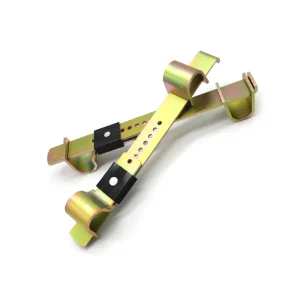
Identification features serve a different purpose. Laser-etched serial numbers, barcodes, and RFID security seals create traceability that survives the seal’s physical destruction. Even after a seal is removed, its unique identifier connects to records showing when it was applied, by whom, and to what shipment. The evolution of plastic seal tamper evidence and cable seal materials reflects years of learning what tamperers actually try and how to make their efforts obvious.
Electronic Tracking and Digital Verification for Sealed Assets
Physical strength is only part of the security equation. Electronic seals add a layer that physical inspection alone cannot provide. GPS-enabled seals report their location throughout transit, creating a movement record that can be compared against expected routes. If a container deviates or stops unexpectedly, the system flags it before anyone opens a door.
Secure data management ties seal information to broader supply chain records. Each seal’s serial number links to shipment details, handling history, and verification events. This creates an audit trail that serves both security and compliance purposes. When customs officials or receiving personnel need to confirm a seal’s legitimacy, they can check it against a central database rather than relying solely on visual inspection.
Digital seal authentication addresses a specific threat: counterfeit seals. A sophisticated tamperer might replace a broken seal with one that looks identical, hoping the substitution goes unnoticed. Electronic verification catches this because the replacement seal’s identifier won’t match the original record. These systems don’t replace physical security—they extend it into territory where physical inspection has blind spots.
For further insights on securing utility and measurement devices, you may find this article helpful: 《Meter Lead Seals: Essential Security for Utility and Measurement Devices》.
Selecting the Right High-Security Seal for Specific Applications
Different cargo types and transport modes create different security requirements. A seal that works perfectly on a shipping container may be wrong for a tanker valve or a utility meter. The selection process starts with understanding what you’re protecting and how someone might try to compromise it.
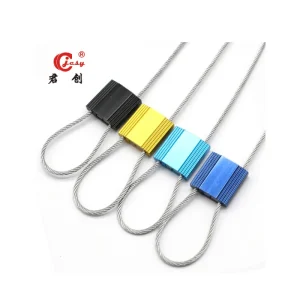
Container bolt seals remain the standard for intermodal shipping containers because they provide the physical strength these applications demand. The bolt passes through the container’s locking bars, and the seal body resists the cutting tools most commonly available at ports and terminals. Truck cable seals offer flexibility for trailer doors and bulk cargo where a rigid bolt seal won’t fit. The cable can loop through multiple attachment points, and any cutting attempt leaves obvious fraying.
Meter Seal serve a different purpose entirely. Utilities need to detect unauthorized access to meters, but they also need seals that field technicians can apply and remove efficiently. Railcar security seals and air cargo seals address the specific handling conditions of those transport modes. Customs seals facilitate border crossings by providing a standardized tamper indicator that inspectors across different countries recognize and trust.
| Seal Type | Primary Application | Key Security Feature | Tamper Evidence |
|---|---|---|---|
| Bolt Seal | Shipping Containers, Railcars | High physical strength | Visible breakage |
| Cable Seal | Trucks, Tankers, Valves | Flexible, adjustable length | Fraying, cutting |
| Plastic Seal | Bags, Totes, Meters | Easy application, low cost | Breaking, melting, cutting |
| Metal Strap Seal | Drums, Hatches | Strong, durable | Bending, cutting |
Proper Installation and Inspection Practices That Prevent Failures
A high-security seal fails the moment it’s installed incorrectly. I’ve seen bolt seals applied with enough slack that someone could slip a tool underneath without breaking anything. I’ve seen cable seals looped through the wrong attachment points, leaving alternative entry paths completely unprotected. The seal itself was fine—the application defeated its purpose.
Correct installation follows specific guidelines for each seal type. Bolt seals need to pass fully through both locking bars with the mechanism seated completely. Cable seals require tension that eliminates slack while avoiding damage to the cable itself. Plastic seals must engage their locking teeth fully, not just partially.
Inspection requires knowing what to look for. Obvious signs include cuts, breaks, and missing pieces. Subtler indicators include scratches around the locking mechanism, discoloration from heat application, or serial numbers that appear altered. Chemical attacks sometimes leave residue or unusual surface texture. Training personnel to recognize these signs turns every handling point into a security checkpoint.
The verification process connects physical inspection to record-keeping. Checking a seal’s serial number against shipping documents confirms it’s the original seal, not a replacement. Recording inspection results creates accountability and helps identify patterns if tampering attempts occur across multiple shipments.
Frequently Asked Questions About High-Security Seals
What are the international standards for high-security seals?
ISO 17712 is the primary international standard governing high-security seals. It establishes three classification levels—Indicative, Security, and High Security—based on physical strength and tamper-evident characteristics. High Security classification requires passing tests for tensile strength (minimum 10 kN), cutting resistance, bending resistance, and impact resistance. Seals meeting this standard provide documented protection against unauthorized entry that customs authorities and supply chain partners recognize globally.
How can I verify the authenticity and integrity of a security seal?
Start with the unique identifier—serial number, barcode, or RFID tag—and confirm it matches your shipping records. Physically inspect the seal for cuts, breaks, scratches around the locking mechanism, or any alteration to identifying marks. Check for signs of heat or chemical manipulation, which may appear as discoloration or unusual surface texture. For seals with electronic features, digital authentication systems can confirm the seal’s recorded status and flag any discrepancies. Correct installation at origin reduces the chance of false alarms during verification.
What are the common vulnerabilities of different high-security seal types?
Each seal type has specific weak points that proper selection and installation can address. Bolt Seals resist most cutting tools but can be defeated by industrial-grade equipment if the attacker has time and access. Cable Seals create vulnerabilities when installed with slack or routed through inadequate attachment points. Plastic Seals show tampering clearly but may not survive determined heat or chemical attacks. Metal Strap Seals depend heavily on locking mechanism quality—weak designs can be manipulated without obvious damage. ISO 17712 compliance, correct application, and regular inspection together address these vulnerabilities more effectively than any single measure alone.
Secure Your Supply Chain with Junchuang Lock Industrial Co., Ltd
As a leader in security sealing solutions, Shandong Junchuang Lock Industry Co., Ltd offers a comprehensive range of ISO 17712 compliant high-security bolt seals, cable seals, plastic seals, and metal strap seals. Our expertise in design, development, and production ensures your assets are protected with the highest standards of tamper-evident technology. Contact us today to discuss your specific security requirements and discover how our customized solutions can enhance your supply chain integrity and regulatory compliance. Partner with Junchuang for unparalleled security and peace of mind.
Mobile: +86 13853189290
Email: [email protected]
Whatsapp: +86 13853189290