
When you ship containers across borders, the seal on that door is often the last line of defense between your cargo and everything that can go wrong in transit. I’ve seen operations where a single compromised seal led to weeks of customs delays and insurance disputes that cost far more than the goods themselves. The ISO 17712 standard exists precisely because the industry needed a common language for what “secure” actually means when metal meets metal on a container latch.
What ISO 17712 Actually Requires From Security Seals
ISO 17712 sets the international benchmark for mechanical seals used on freight containers. The standard defines how seals get classified, what testing they must pass, and when a seal type should be withdrawn from use. At its core, the standard aims to strengthen supply chain integrity by establishing clear criteria for tamper evidence and physical resistance.
Preventing cargo theft and unauthorized access drives every requirement in this standard. Manufacturing processes that follow these principles produce seals where each unit provides measurable protection rather than just the appearance of security. This framework gives logistics operators and customs authorities a shared reference point for evaluating seal quality.
| Requirement Category | Key Aspect | Description |
|---|---|---|
| Design | Tamper Evidence | Visible signs of interference. |
| Material | Durability | Resistance to environmental factors. |
| Marking | Unique Identification | Serial numbers, logos for traceability. |
| Testing | Physical Strength | Resistance to cutting, pulling, impact. |
| Certification | Independent Audit | Verification by accredited bodies. |
How Seal Classifications Determine Security Performance
The ISO 17712 standard sorts seals into categories based on how well they resist attack. These classifications matter because they determine which seal fits which application. High security bolt seals fall under the “H” classification, which demands the highest breaking force thresholds in the standard.
Meeting these requirements means putting seals through rigorous testing procedures that include physical stress tests and chemical resistance evaluations. Each seal must demonstrate consistent performance before it earns certification. This testing rigor supports compliance with international trade programs like C-TPAT and TAPA FSR, both of which mandate ISO 17712 compliant mechanical security seals for their members.
Different Seal Types and Where They Work Best
ISO 17712 compliant seals come in several forms, each suited to particular security challenges. ISO 17712 bolt seals handle shipping container doors well because their solid construction resists common attack methods. ISO 17712 cable seals work better for irregular closures or situations requiring multiple locking points since the cable can thread through various configurations. ISO 17712 plastic seals provide tamper evidence for internal compartments or lower-risk applications where detection matters more than physical resistance.
Metal strap seals serve certain freight applications where neither bolt nor cable designs fit the hardware. Each type undergoes testing specific to its intended use, confirming it can deliver reliable security in real operating conditions.
Getting Implementation Right From Application to Verification
Effective use of ISO 17712 compliant seals depends on following established supply chain security protocols. How you apply a seal matters as much as which seal you choose. Correct application, accurate recording of unique seal identification numbers, and systematic integrity verification upon receipt form the foundation of any seal program.
Regular risk assessment helps identify where vulnerabilities might exist in your logistics chain. Seals designed for straightforward application and clear verification reduce the chance of human error during the process. When everyone in the chain knows what to look for and what to record, the seal system actually works as intended.
For a deeper understanding of how to protect your utility and measurement devices, explore our detailed guide on meter and lead seals. 《Meter Lead Seals: Essential Security for Utility and Measurement Devices》
Spotting Genuine ISO 17712 Seals From Counterfeits
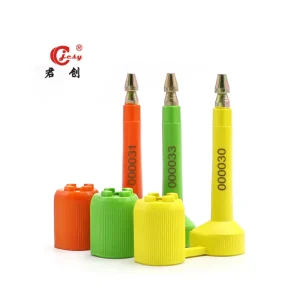
Identifying authentic ISO 17712 seals prevents counterfeit products from undermining your security program. Genuine seals carry specific identification marks including the manufacturer’s logo, a unique serial number, and the “H” designation for High Security classification where applicable.
Verifying ISO 17712 certification means checking manufacturer documentation and independent testing reports from accredited laboratories. These documents confirm the seal passed required physical and chemical tests under controlled conditions. Regular seal audit procedures catch instances where counterfeit seals have entered the supply chain, often through secondary suppliers or gray market channels.
Steps to Confirm a Seal’s Certification Status
To verify whether a security seal truly meets ISO 17712 requirements, start with the seal itself. Look for clear markings showing the manufacturer’s name, unique serial number, and the ‘H’ classification for High Security products. Request the manufacturer’s official compliance certificate along with independent test reports. These reports come from accredited ISO 17712 testing laboratories and confirm the seal met all specified breaking force and tamper resistance criteria during evaluation. Cross-reference the seal’s serial number against the provided documentation to confirm authenticity and complete the ISO 17712 certificate verification process.
What Happens When Seals Fall Short of the Standard
Using seals that don’t meet ISO 17712 requirements creates real exposure in your supply chain. The risks include higher vulnerability to cargo theft, potential customs penalties when authorities inspect shipments, and supply chain disruption when problems surface at the worst possible time.
Non-compliant seals often fail under stress in ways that compliant seals don’t. When a seal breaks unexpectedly, the resulting investigation consumes time and resources while cargo sits in limbo. Selecting certified seals from the start avoids these situations and keeps international trade operations moving smoothly. The cost difference between compliant and non-compliant seals rarely justifies the risk exposure.
| Risk Category | Potential Consequences | Mitigation Strategy |
|---|---|---|
| Financial | Fines, cargo loss, insurance claim denials | Use certified seals, conduct regular audits |
| Operational | Delays, supply chain disruption | Implement robust seal application protocols |
| Reputational | Brand damage, loss of customer trust | Ensure consistent compliance, transparent practices |
| Legal | Customs penalties, legal liabilities | Understand and adhere to international regulations |
The Real Cost of Cutting Corners on Seal Compliance
Using non-ISO 17712 compliant seals in international trade creates consequences that extend beyond the immediate shipment. Companies face substantial customs fines and potential clearance delays that ripple through their entire supply chain. Inadequate seals increase cargo loss risk from theft or tampering, leading to financial losses that often exceed the value of the goods themselves. Reputation damage follows when trading partners learn about compliance failures, and legal exposure grows with each non-compliant shipment that crosses a border.
Working With Junchuang Lock Industrial
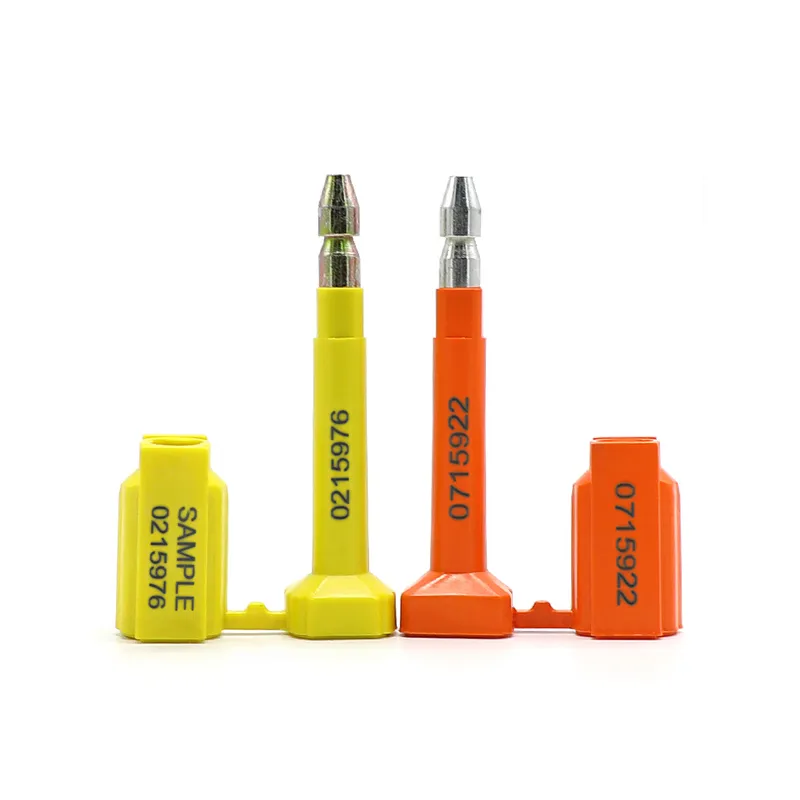
For supply chain security backed by verified ISO 17712 compliance, Shandong Junchuang Lock Industrial Co., Ltd. manufactures high security bolt seals, Plastic Seals, Cable Seals, and Metal Strap Seals that meet international trade requirements. Contact us for consultation or to review our certified solutions. Mobile: +86 13853189290 | Email: [email protected] | Whatsapp: +86 13853189290
Frequently Asked Questions About ISO 17712 Seals
What is the primary purpose of the ISO 17712 standard for security seals?
The ISO 17712 standard establishes uniform procedures for classifying, accepting, and withdrawing mechanical freight container seals. Its primary purpose is ensuring international cargo security through rigorous standards for tamper-evident and high-security seals. This reduces theft and unauthorized access throughout the supply chain while maintaining supply chain integrity and cutting financial losses from pilferage.
How often is the ISO 17712 standard updated, and why does this matter?
The ISO 17712 standard undergoes periodic review and updates to address evolving security threats and advances in seal design and testing technology. Staying current with the latest version, such as ISO 17712:2013 + A1:2014 or newer amendments, maintains continuous compliance and ensures security seals meet the most effective protection criteria available. Updates keep seals effective against new tampering methods as they emerge.
Can all types of security seals achieve ISO 17712 certification?
Not all security seal types can achieve ISO 17712 certification. The standard applies specifically to mechanical seals for freight containers and sets stringent requirements, particularly for High Security seals under Class H, which must withstand specific breaking forces and tampering attempts. While Plastic Seals and Cable Seals can meet ISO 17712 compliance, Bolt Seals most commonly achieve the High Security classification because their construction inherently provides the strength and design characteristics the standard demands.