
Plastic seals do one job, and they do it well: they tell you if someone has been where they shouldn’t. That simple function underpins billions of dollars in global trade, protects pharmaceutical shipments, and keeps utility meters honest. What separates a seal that actually works from one that just looks the part comes down to how it’s made, what it’s made from, and whether the manufacturer understands the real-world conditions it will face.
How Manufacturing Precision Shapes Plastic Seal Performance
The difference between a plastic seal that fails under stress and one that holds firm often traces back to the injection molding process. This manufacturing method forces molten plastic into precision-engineered molds under controlled pressure and temperature. When done correctly, it produces plastic security seals with consistent wall thickness, uniform locking mechanisms, and predictable break points.
Material choice matters more than most buyers realize. Polypropylene seals resist chemicals and handle temperature swings without becoming brittle. Nylon seals offer higher tensile strength, which means they require more force to break. Each material serves different environments. A seal protecting a chemical drum needs different properties than one securing an airline meal cart.
The production sequence follows a logical path. Mold design comes first, with tolerances measured in fractions of a millimeter. High-precision injection molding machines then form each seal under monitored conditions. After molding, every batch goes through visual inspection and functional testing. Inspectors check that locking tabs engage properly and that the tamper-evident features actually show evidence when tampered with.
Production scale doesn’t have to compromise quality. Automated assembly lines handle volume while maintaining consistency. Internal control over the entire process, from raw material receipt to finished product packaging, eliminates the quality gaps that occur when manufacturing steps get outsourced to multiple facilities.
Custom Branding and Serial Numbering That Actually Serves a Purpose
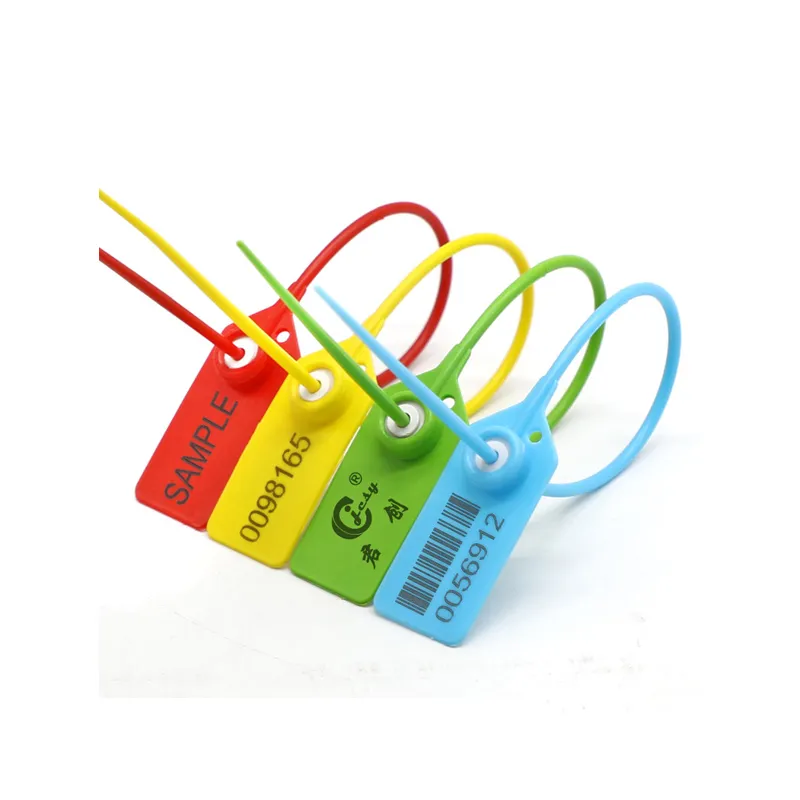
Customization sounds like a marketing term until you see how it functions in practice. A plastic seal with your company logo isn’t just branded merchandise. It’s a deterrent. Anyone considering tampering now knows exactly whose security they’re compromising and whose attention they’ll attract.
Serial numbering seals create accountability. Each seal carries a unique identifier, typically laser-etched to resist alteration. When a shipment arrives, the receiving team can verify that the seal number matches the shipping manifest. Any discrepancy triggers investigation. This simple check catches problems that would otherwise go unnoticed until inventory counts reveal shortages.
Barcode integration seals take tracking further. A quick scan at each checkpoint updates the shipment’s status in real time. Warehouse staff don’t need to manually record numbers. The system handles it, reducing human error and creating an automatic audit trail.
Color coding seals solve a different problem. When a distribution center handles products for multiple clients or routes, visual differentiation prevents mix-ups. Red seals go to the northern region, blue to the south. The sorting team doesn’t need to read fine print under time pressure. They just match colors.
These customizable features compound in value. A seal with your logo, a unique serial number, a scannable barcode, and a color code becomes a multi-layered security tool. Each layer adds friction for anyone attempting unauthorized access while streamlining legitimate operations.
How does a manufacturer’s customization capability impact seal effectiveness?
A manufacturer’s customization capability directly enhances seal effectiveness by increasing tamper deterrence and improving logistical oversight. Personalized seals with unique serial numbering seals or company logos make unauthorized removal or replacement immediately obvious. This visible deterrent significantly reduces tampering incidents. Customized security seals also streamline operations by enabling quick identification and tracking of sealed items, boosting logistics efficiency and strengthening brand integrity across the supply chain.
Quality Certifications That Signal Actual Manufacturing Discipline
Certifications exist because trust alone doesn’t scale. When a buyer evaluates a plastic seal manufacturer across an ocean, they need objective evidence that quality control actually happens. ISO certification, CE certification, and ROHS compliance provide that evidence.
ISO 9001 certification means a manufacturer has documented quality management systems and follows them consistently. Auditors verify this periodically. The certification doesn’t guarantee perfect products, but it does guarantee that problems get tracked, analyzed, and addressed systematically.
CE certification confirms compliance with European safety and environmental requirements. For buyers shipping into EU markets, this certification prevents customs complications and demonstrates due diligence.
ROHS compliance matters for environmental and regulatory reasons. Seals meeting this standard contain no hazardous substances like lead or cadmium. This matters particularly for food grade seals and pharmaceutical seals where contamination risks carry serious consequences.
Durability testing goes beyond certification requirements. Reputable manufacturers subject seals to temperature cycling, UV exposure, and tensile force testing. These tests simulate years of real-world conditions in weeks of laboratory time. A seal that survives testing will likely survive the shipping container sitting in a tropical port for three weeks.
| Certification/Standard | Description | Benefit for Seals |
|---|---|---|
| ISO 9001 | Quality Management System | Consistent product quality, process efficiency |
| CE | European Conformity | Meets EU safety, health, environmental standards |
| ROHS | Restriction of Hazardous Substances | Environmentally friendly, safe materials |
| ISO 17712 | High-Security Mechanical Seals | Recognized standard for high-security applications |
| ASTM | American Society for Testing and Materials | Standardized material and product testing procedures |
What quality certifications should I look for in a plastic seal supplier?
When selecting a plastic seal supplier, prioritize those with established quality certifications. Look for ISO 9001 certification, which indicates a robust quality management system. Certified seal manufacturers often hold CE and ROHS compliance, ensuring products meet European standards and are free from hazardous materials. These certifications, alongside evidence of durability testing, signify a reliable seal supplier committed to producing high-quality, secure products.
Industry-Specific Applications Demand Industry-Specific Solutions
A seal that works perfectly on a warehouse pallet might fail completely on a utility meter. Different industries face different threats, operate in different environments, and answer to different regulators. This reality explains why specialized plastic seal manufacturers outperform generalist suppliers.
Logistics sealing solutions address the specific vulnerabilities of goods in transit. Containers sit in ports exposed to weather and opportunistic theft. Trucks pass through multiple jurisdictions with varying levels of oversight. Seals for these applications need to resist environmental degradation while providing unmistakable evidence of tampering.
Pharmaceutical seals face stricter requirements. Regulatory agencies mandate tamper-evident packaging to protect consumers from counterfeit or contaminated medications. The seals must maintain integrity through temperature-controlled shipping while meeting documentation requirements for chain of custody.
Chemical industry seals encounter aggressive substances that would dissolve ordinary plastics. Material selection becomes critical. The wrong polymer choice results in seals that degrade, potentially releasing hazardous contents or failing to indicate unauthorized access.
Food grade seals must meet hygiene standards that prohibit certain additives and require specific material certifications. A seal touching food packaging cannot introduce contaminants.
Utility meter seals serve a different purpose entirely. They prevent fraud by indicating if someone has bypassed the meter. These seals need to survive outdoor exposure for years while remaining easy to inspect.
Different seal types address different closure configurations. Plastic Container Seal handles the heavy-duty requirements of shipping containers. Plastic Padlock Seal provides flexible security for equipment cases, tool boxes, and access panels. high security plastic seals incorporate stronger materials and more sophisticated locking mechanisms for high-value shipments.
What types of plastic seals are most effective for supply chain security?
For robust supply chain security, high security plastic seals are highly effective. These include seals with strong locking mechanisms and clear tamper-evident features. Tamper-evident bag seals are ideal for securing sensitive documents and small parcels. For larger shipments, Container Bolt Seal and Truck Plastic Seal provide superior protection against unauthorized entry. These seals offer visible evidence of tampering, enhancing integrity throughout the logistics chain.
Where Plastic Seal Technology Is Heading
The security seal industry isn’t static. Two forces are reshaping product development: digital integration and environmental pressure.
Smart security seals with embedded RFID chips represent the digital direction. These seals don’t just indicate tampering; they communicate. A reader can interrogate the seal to confirm its identity, check its status, and log the interaction. This capability enables automated security checks at scale. A truck passing through a checkpoint doesn’t need to stop for manual inspection. The system reads all seals simultaneously and flags any anomalies.
The environmental direction responds to regulatory pressure and corporate sustainability commitments. Eco-friendly plastic seals made from recycled materials reduce virgin plastic consumption. Recyclable seals designed for easy processing at end of life support circular economy goals. Some manufacturers are exploring biodegradable polymers, though these materials must still meet durability requirements.
These trends don’t conflict. A seal can incorporate RFID technology while using recycled plastic. The engineering challenge lies in maintaining security performance while adopting new materials and adding electronic components.
Research continues into material composites that offer better strength-to-weight ratios, improved chemical resistance, and lower environmental impact. Injection molding techniques evolve to handle these new materials while maintaining the precision that tamper-evident seals require.
Partner with Shandong Junchuang Lock Industry Co., Ltd
Partner with Shandong Junchuang Lock Industry Co., Ltd for unparalleled plastic seal manufacturing capabilities. With our integrated design, development, and production expertise, we deliver customized, high-security solutions tailored to your unique industrial needs. Contact us today to secure your assets and optimize your supply chain integrity. Email: [email protected] | Mobile/Whatsapp: +86 13853189290
Frequently Asked Questions About Plastic Seal Manufacturing
What makes a plastic seal manufacturer reliable for large-scale orders?
A reliable plastic seal manufacturer for large-scale orders demonstrates robust production capacity, stringent quality control through ISO certifications, a proven track record of timely delivery, and the ability to offer consistent product quality and customization options. Look for manufacturers with integrated design, development, and production capabilities like Shandong Junchuang Lock Industrial Co., Ltd.
Can plastic seal manufacturers provide eco-friendly or recyclable security options?
Yes, many advanced plastic seal manufacturers are increasingly focusing on sustainability. They can provide eco-friendly options, including seals made from recycled plastics or materials designed for easier recycling. Inquire about their environmental initiatives and product lines that support green supply chain practices.
How do plastic seal manufacturers ensure product integrity and customization?
Manufacturers ensure product integrity through rigorous material selection, advanced injection molding techniques, and comprehensive quality assurance testing. Customization is achieved through specialized tooling, laser engraving for serial numbering seals and logos, and a flexible design process that allows for tailored colors, sizes, and security features to meet specific client requirements.