
Finding the right plastic seal supplier takes more work than most procurement teams expect. The stakes go beyond price — a weak seal or an unreliable delivery schedule can expose entire shipments to tampering, compliance failures, or costly delays. After years of sourcing these components, the pattern becomes clear: suppliers who invest in transparent processes and verifiable quality systems consistently outperform those who compete on price alone. This guide breaks down the evaluation criteria that actually matter, from manufacturing capabilities to after-sales support, so you can build a supplier relationship that holds up under real-world pressure.
What Makes a Plastic Seal Supplier Worth Trusting
Evaluating a supplier’s reliability and manufacturing capabilities forms the foundation of a strong partnership. Operational scale and technological infrastructure determine whether a supplier can deliver consistent production volumes without quality drift. A robust manufacturing process is essential for delivering high-quality tamper-evident seals — this means examining production capacity, equipment age, and workflow efficiency.
Suppliers who demonstrate a clear understanding of plastic security seals production tend to communicate more openly about lead times, material sourcing, and potential constraints. Transparency in the manufacturing process builds trust because it allows buyers to anticipate problems before they become emergencies. A thorough supplier assessment should include site visits and production line reviews whenever possible. Walking the floor reveals details that catalogs and certifications cannot capture: how workers handle materials, how quality checks are integrated into each stage, and whether the facility can realistically scale to meet your demand.
Flowchart: Supplier Vetting Process
- Initial Contact & Information Gathering: Request company profile, product catalog, and certifications.
- Capability Assessment: Review manufacturing facilities, equipment, and production capacity.
- Quality System Audit: Evaluate quality control procedures and adherence to standards.
- Sample Evaluation: Test product samples for performance and compliance.
- Financial Stability Check: Assess the supplier’s financial health and long-term viability.
- Contract Negotiation: Discuss terms, pricing, and service agreements.
- Ongoing Performance Monitoring: Establish KPIs for continuous evaluation.
Quality Control That Actually Protects Your Supply Chain
Adherence to strict quality control standards separates reliable plastic security seals from products that fail when they matter most. A robust quality management system ensures product reliability and performance across varying conditions. Material specifications deserve close attention — the type of plastic polymers used, whether polypropylene or nylon, directly affects durability and tamper resistance. Polypropylene offers good chemical resistance at lower cost, while nylon provides superior tensile strength for applications requiring higher break forces.
Durability testing protocols reveal how seals perform under environmental stress and physical manipulation. Suppliers must provide evidence of comprehensive testing for strength, temperature tolerance, and UV resistance. ISO certification, particularly ISO 9001, demonstrates a commitment to consistent quality through documented processes and regular audits. Beyond certifications, inspect specific security features and tamper indicators. These elements — whether visible fracture points, unique locking mechanisms, or color-change indicators — determine whether unauthorized access leaves detectable evidence. Suppliers who prioritize product reliability through stringent quality checks at multiple production stages deliver seals that perform as specified.
Table: Key Quality Certifications
| Certification | Description | Relevance for Seals |
|---|---|---|
| ISO 9001 | Quality Management System | Ensures consistent product quality and process control. |
| ISO 14001 | Environmental Management System | Demonstrates environmental responsibility in production. |
| ISO 17712 | High-Security Mechanical Seals | Crucial for high-security bolt seals and similar products. |
| C-TPAT | Customs-Trade Partnership Against Terrorism | Indicates secure supply chain practices for international trade. |
Certifications and Compliance Requirements That Matter
Certifications and compliance are non-negotiable in seal production. These credentials ensure legal and ethical procurement while building confidence in the supplier relationship. Identifying and verifying critical industry standards requires understanding which certifications apply to your specific use case.
ISO 9001 confirms a supplier’s quality management system meets international benchmarks. Environmental compliance through ISO 14001 signifies responsible manufacturing practices — increasingly important for companies with sustainability commitments. Regulatory requirements vary by region and application; seals used in pharmaceutical logistics face different standards than those securing shipping containers. Suppliers must adhere to all relevant local and international mandates, and they should be able to document this compliance clearly.
Supply chain integrity depends on these verifiable standards because they create accountability. Auditing procedures, whether conducted by third parties or through your own team, help confirm ongoing compliance rather than one-time certification. This proactive approach minimizes risks and ensures product consistency across orders.
If you’re interested, check 《Meter Lead Seals: Essential Security for Utility and Measurement Devices》.
Evaluating True Cost Beyond the Unit Price
A meaningful cost-benefit analysis goes beyond comparing unit prices across suppliers. Long-term value from plastic seal suppliers depends on factors that only become visible over time: durability under actual operating conditions, consistency across production batches, and the hidden costs of seal failures.
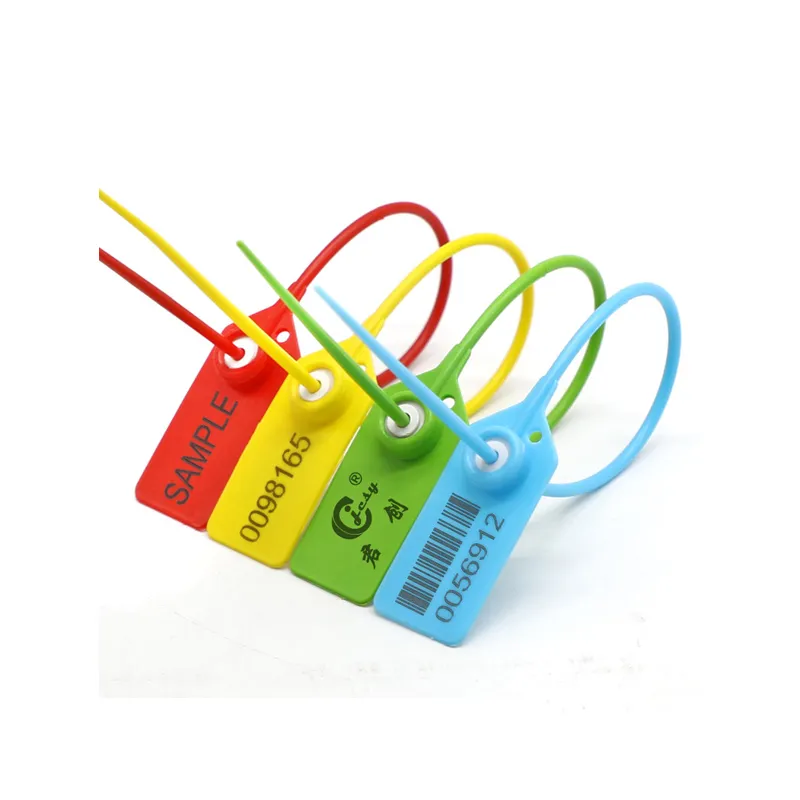
Customization options can add significant value. Unique branding, sequential numbering, and integrated barcodes enhance security while supporting internal tracking systems. These features often justify higher per-unit costs through improved operational efficiency and reduced losses from tampering or counterfeiting.
Bulk orders typically present opportunities for better pricing, but contract negotiation should focus on terms that support a stable, long-term partnership rather than squeezing margins on a single purchase. Effective budget planning incorporates both initial purchase costs and the overall return on investment. A supplier offering robust, reliable plastic security seals may have a higher upfront cost but delivers greater value over time by preventing costly security breaches, reducing replacement frequency, and avoiding the operational disruptions that come with seal failures.
Logistics and Support That Keep Operations Running
Effective logistics and reliable delivery directly impact operational continuity. Evaluating a supplier’s logistical capabilities means understanding their shipping networks, warehouse locations, and ability to handle urgent orders. Lead time is a critical factor — it affects inventory management, project schedules, and your ability to respond to unexpected demand spikes.
A global distribution network indicates a supplier’s capacity to serve diverse markets and reduce shipping times to various regions. Customer service and technical support matter more than many buyers initially expect. When issues arise — and they will — prompt, knowledgeable responses prevent small problems from becoming major disruptions.
After-sales support quality varies widely among suppliers. Assess their troubleshooting capabilities, replacement policies, and willingness to investigate quality complaints. Efficient logistics optimization minimizes delays and ensures product availability when you need it. The best supplier relationships extend well beyond the purchase order, with partners who demonstrate commitment to continuous support throughout the product lifecycle.
Confirming Expertise Through Track Record and Evidence
Verifying a plastic seal supplier’s expertise and experience builds confidence before committing to a partnership. Industry track record matters — look for suppliers with documented history of delivering reliable plastic security seals to companies with similar requirements.
Request case studies that demonstrate problem-solving capabilities. How did the supplier handle a rush order? What happened when a client needed a custom design? These stories reveal operational flexibility and technical depth. Client testimonials offer insights into real-world performance and customer satisfaction, though independent verification through reference calls provides more reliable information.
A supplier’s specialized knowledge in plastic security seals becomes evident through their product innovation and technical documentation. Assess their ability to adapt to new security challenges, whether that means developing seals with enhanced tamper indicators or integrating RFID tracking. Vendor assessment should include reviewing manufacturing processes and quality control systems to confirm they possess the necessary infrastructure. A strong industry presence and positive reputation among peers indicate proven expertise that translates to reliable performance.
Measuring Supplier Performance With Meaningful Metrics
Key Performance Indicators provide measurable metrics for effective supplier performance assessment. On-time delivery is a primary KPI, reflecting logistical efficiency and planning accuracy. Track defect rates to monitor product quality and consistency — even small increases in defect rates can signal manufacturing problems before they become serious.
Responsiveness to inquiries and issues indicates customer service quality. A supplier who takes days to answer technical questions will likely be slow to resolve problems when they occur. Compliance adherence ensures all regulatory and quality standards continue to be met, not just at contract signing but throughout the relationship.
These metrics allow for continuous improvement in supplier relationships. Innovation and flexibility in product offerings also deserve attention — suppliers who invest in development tend to offer better solutions over time. Regular review of these KPIs helps maintain high standards and provides objective data for contract renewals or supplier changes.
Table: Supplier KPI Dashboard
| KPI | Measurement Metric | Target Performance |
|---|---|---|
| On-Time Delivery | Percentage of orders delivered by due date | >95% |
| Defect Rate | Percentage of defective units per shipment | <0.5% |
| Responsiveness | Average response time to inquiries | <24 hours |
| Compliance Score | Audit score for regulatory and quality standards | >90% |
| Order Accuracy | Percentage of orders fulfilled correctly | >98% |
How Customization Strengthens Security and Operations
Customization matters for plastic seal solutions because generic seals create generic vulnerabilities. Tailored seals provide unique identification that makes counterfeiting significantly harder. When each seal carries distinct markings, unauthorized duplication requires matching specific visual and functional characteristics rather than simply copying a standard design.
Custom branding strengthens brand identity and protects against unauthorized product diversion. Customizable plastic security seals can integrate specific security features including unique sequential numbering, barcodes, QR codes, or company logos. These elements serve dual purposes: they enhance anti-counterfeiting measures while supporting internal tracking and audit systems.
Each seal becomes distinct and traceable through the supply chain. This tailored approach provides optimal protection for various assets, from pharmaceutical shipments requiring chain-of-custody documentation to retail goods vulnerable to tampering during transit.
Secure Your Assets with Junchuang Lock Industry
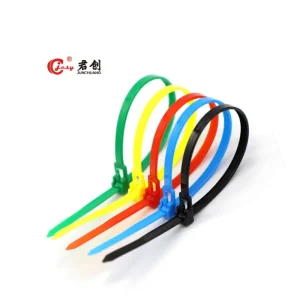
Shandong Junchuang Lock Industry Co., Ltd. specializes in designing, developing, and manufacturing high-quality Plastic Seals, Cable Seals, Meter Seals, and High Security Bolt Seals tailored to your precise needs. Contact us today for a consultation and discover how our expertise can safeguard your assets.
Email: [email protected] | Mobile/Whatsapp: +86 13853189290
Frequently Asked Questions About Plastic Seal Supplier Selection
What are the critical quality standards for high-security plastic seals?
High-security plastic seals should meet ISO 17712 standards, which establish testing requirements for tamper resistance and break strength. Material specifications matter significantly — look for documented polymer grades with known durability characteristics. Suppliers should demonstrate robust quality management systems, typically through ISO 9001 certification, and conduct comprehensive testing for tensile strength, temperature resistance across operating ranges, and tamper-evident feature reliability. Request test reports rather than accepting general claims about plastic security seals performance.
How can I ensure a plastic seal supplier meets international compliance requirements?
Start by verifying certifications relevant to your industry and shipping routes. ISO 9001 covers quality management, while ISO 14001 addresses environmental practices. For international trade, C-TPAT or AEO certification indicates secure supply chain practices recognized by customs authorities. Request current certification documents and audit reports. Conduct supplier audits when possible, and review policies on ethical sourcing and environmental responsibility. Compliance requirements vary by region and application, so identify which standards apply to your specific use case before evaluating suppliers.
What factors influence the long-term reliability of plastic security seals?
Raw material quality has the largest impact — polypropylene and nylon behave differently under stress, temperature variation, and UV exposure. Manufacturing precision determines whether seals perform consistently across production batches. Design factors include tamper indicator sensitivity, locking mechanism durability, and resistance to common defeat methods. Environmental durability testing should cover the actual conditions your seals will face. A reputable supplier provides seals tested for these specific conditions and can document performance expectations, ensuring consistent results and maintaining supply chain integrity over extended use.