
Container security seals do one thing well: they make unauthorized access visible. When a seal breaks, you know someone opened the container. That simple fact drives most of the security value these devices provide. After years of working with logistics operations across different industries, the pattern becomes clear—companies that treat seals as verification tools rather than physical barriers get better results from their security programs. The seal itself won’t stop a determined thief, but it will tell you exactly when and where a breach occurred, which changes how you investigate losses and hold parties accountable.
Why Container Security Seals Matter for Cargo Protection
Global supply chains move trillions of dollars in goods annually. Cargo theft costs businesses billions each year, with organized theft rings targeting everything from electronics to pharmaceuticals. Container security seals serve as the first line of defense in this environment, not because they’re impenetrable, but because they create accountability at every handoff point.
The mechanics are straightforward. When a container leaves a warehouse with a numbered seal, that number gets recorded. Every party who receives the container checks the seal against the documentation. If the numbers don’t match, or if the seal shows signs of tampering, the chain of custody breaks and investigation begins immediately.
This verification process does several things simultaneously. It deters opportunistic theft because workers know any breach will be traced. It speeds up insurance claims when losses do occur because the point of compromise is documented. It also satisfies customs requirements in most countries, which mandate specific seal standards for international shipments.
Statistics from companies that implement rigorous sealing protocols show measurably lower theft rates. More importantly, when theft does occur, recovery rates improve because investigators can narrow down exactly where the breach happened. The seal doesn’t prevent the crime—it makes the crime solvable.
High-Security Bolt Seals and How They Work
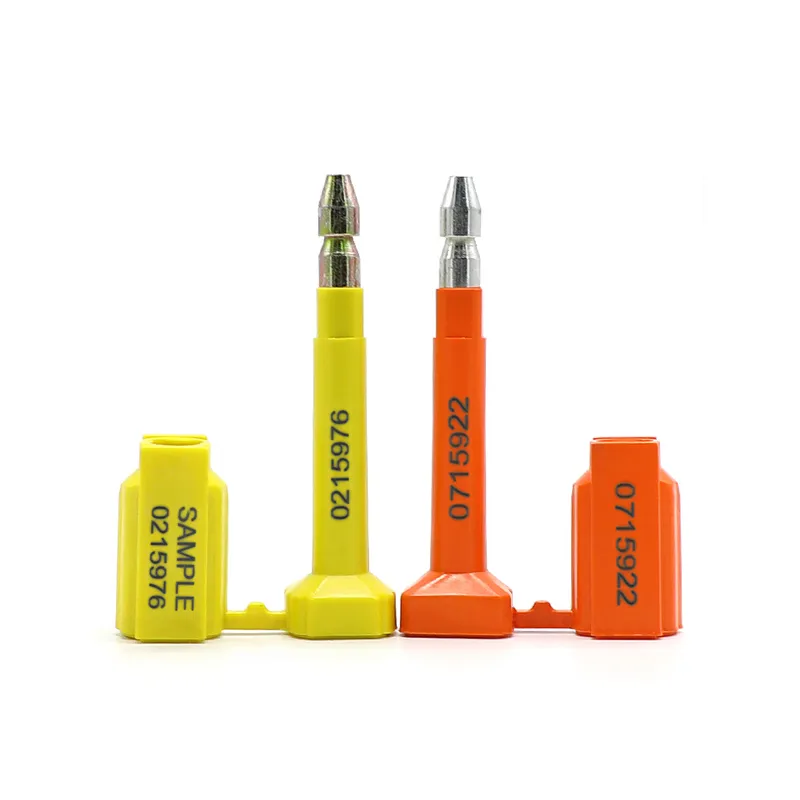
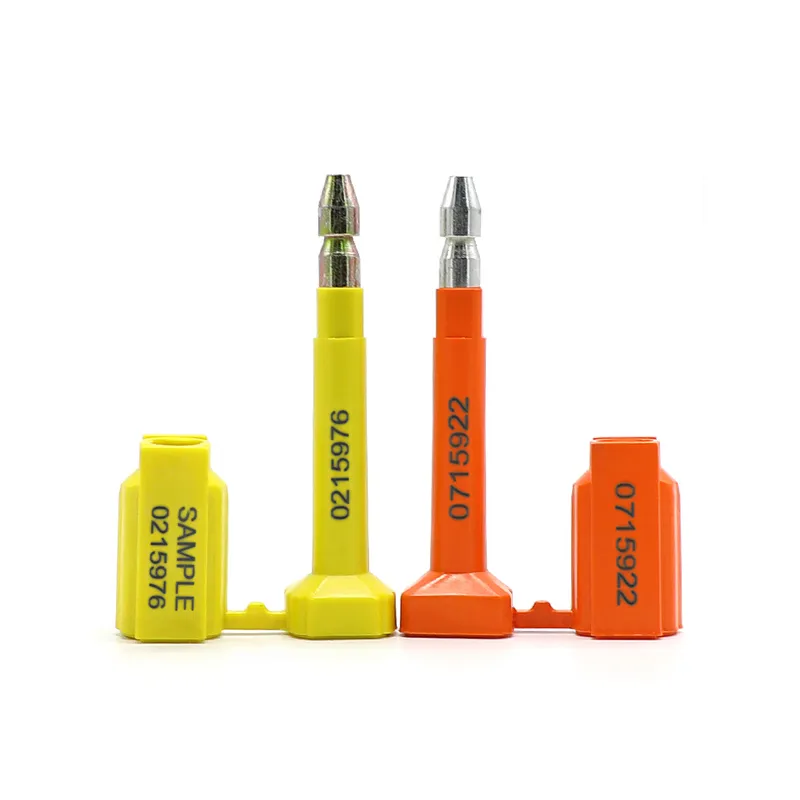
High-security bolt seals represent the strongest category of container seals available. These devices consist of a hardened steel bolt that passes through the container’s locking mechanism and clicks into a housing that cannot be removed without cutting the bolt itself.
The design incorporates several anti-tampering features. The bolt typically includes a spinning collar that prevents grip from cutting tools. The housing contains a locking mechanism that cannot be picked or manipulated. The materials resist corrosion, which matters for ocean freight where salt exposure is constant.
ISO 17712 certification defines what qualifies as a high-security seal. This international standard specifies minimum tensile strength, resistance to impact, and requirements for tamper evidence. A seal meeting this standard must show clear, irreversible signs of any tampering attempt. The certification process involves independent laboratory testing, not just manufacturer claims.
We produce ISO 17712 High Security Seal that meet these requirements. The certification matters because customs authorities in most major trading nations require ISO 17712 compliant seals for international container shipments. Using non-compliant seals can result in cargo holds, additional inspections, and delays that cost more than the seals themselves.
How do high-security bolt seals prevent cargo theft in shipping containers?
High-security bolt seals create both physical and administrative barriers to theft. The hardened steel construction requires industrial cutting tools to remove, which takes time and creates noise—both deterrents for theft in busy port environments. The unique serial number on each seal creates a paper trail that follows the container through every checkpoint.
When someone attempts to defeat the seal, the evidence is permanent. Cut marks, drill holes, or deformation of the housing all indicate tampering. Even sophisticated attempts to remove and replace seals fail because the serial numbers are registered and tracked. A container arriving with a different seal number than documented triggers immediate investigation.
This combination of physical resistance and documentation makes high-security bolt seals the standard choice for high-value cargo. Electronics, pharmaceuticals, and luxury goods routinely ship under these seals because the cost of the seal is negligible compared to the value of the cargo and the cost of investigating losses without clear evidence.
Different Security Seal Types for Different Applications
Not every shipment needs a high-security bolt seal. The logistics industry uses several seal types, each designed for specific security requirements and practical constraints. Choosing the right seal involves balancing security level, cost, and operational factors like how quickly seals need to be applied and removed.
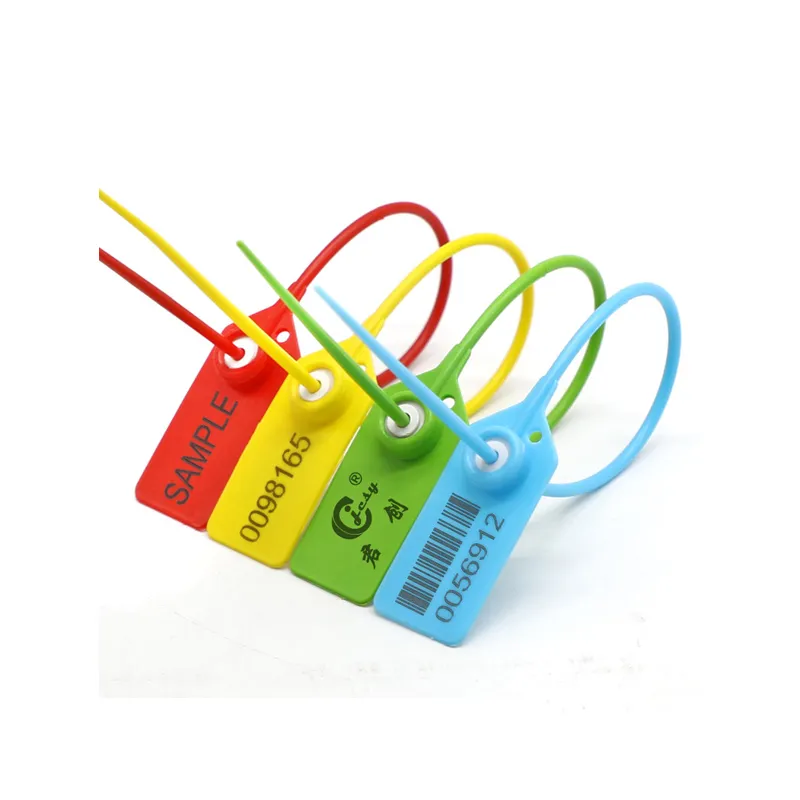
Plastic security seals work well for applications where tamper evidence matters more than physical strength. These seals snap closed and cannot be reopened without cutting. They’re inexpensive enough for single-use applications like sealing individual pallets, totes, or truck doors for local delivery. The plastic construction makes them easy to cut with standard tools, which speeds up legitimate access while still providing clear evidence if someone opens the seal without authorization.
Cable seals for containers offer a middle ground between plastic seals and bolt seals. The flexible cable allows these seals to secure irregular shapes and larger openings. Many cable seals meet ISO 17712 standards for indicative or security-level classification, making them suitable for international shipping when bolt seals aren’t practical. Tanker valves, rail car hatches, and container ventilation points commonly use cable seals.
Meter Seals serve a specialized function in utility applications. These small seals prevent unauthorized access to electric, gas, and water meters. The design prioritizes tamper evidence over physical strength because the goal is detecting meter tampering for billing fraud, not preventing access to valuable cargo.
Metal Strap Seals provide strong tamper evidence for rail freight and container door latches. The metal construction resists environmental degradation better than plastic, which matters for long-haul rail shipments that may sit in yards for extended periods.
What are the different types of security seals used for international logistics and their specific applications?
International logistics operations select seal types based on cargo value, transport mode, and regulatory requirements. Plastic Seals handle lower-security applications like airline cargo containers and local trucking where speed of application matters and cargo values are moderate. Cable Seals secure containers, tankers, and rail cars when flexibility is needed—the adjustable length accommodates different locking mechanisms and the security level satisfies most customs requirements.
Metal Strap Seals appear frequently on rail freight where the seals must withstand vibration and weather exposure for days or weeks. Meter Seals remain specialized for utility applications but occasionally appear in logistics for securing access panels on specialized equipment.
The choice often comes down to regulatory requirements. International shipping regulations specify minimum seal standards for different cargo types. Dangerous goods, for example, require seals meeting specific strength standards. Customs programs like C-TPAT in the United States mandate ISO 17712 compliant seals for participating companies.
| Seal Type | Primary Application | Security Level | Tamper Evidence |
|---|---|---|---|
| High-Security Bolt | Shipping Containers, Rail Cars | High | Excellent |
| Cable Seals | Containers, Tankers, Valves | Medium-High | Very Good |
| Plastic Seals | Truck Doors, Totes, Drums | Low-Medium | Good |
| Metal Strap Seals | Rail Cars, Container Latches | Medium | Good |
| Meter Seals | Utility Meters | Low-Medium | Good |
ISO 17712 Compliance and Why It Matters
The ISO 17712 standard exists because the shipping industry needed a common benchmark for seal performance. Before this standard, manufacturers made various claims about seal strength and tamper resistance without consistent testing methods. Customs authorities had no reliable way to evaluate whether seals actually provided the security they promised.
The standard defines three classification levels: indicative, security, and high-security. Each level specifies minimum requirements for tensile strength, impact resistance, and tamper evidence. High-security seals must withstand significantly greater force and show clearer evidence of tampering than lower classifications.
Certification requires independent laboratory testing. Manufacturers submit seal samples to accredited testing facilities that apply standardized forces and document the results. The certification applies to specific seal designs—changing materials or construction requires new testing.
We ensure our products meet ISO 17712 compliance because this certification determines whether seals are accepted for international shipping. Customs authorities in the United States, European Union, and most major trading nations require compliant seals for container shipments. Using non-compliant seals can trigger additional inspections, cargo holds, and penalties.
Why is ISO 17712 compliance crucial for container security seals in global trade?
ISO 17712 compliance matters for global trade because it creates a universal standard that all parties can trust. When a seal carries this certification, customs officials in any country know exactly what security level it provides. This shared understanding speeds up inspections and reduces disputes about whether cargo was properly secured.
The compliance requirement also protects legitimate businesses from unfair competition. Without standards, low-quality seals could undercut prices while providing inadequate security. The certification requirement ensures that all seals used in international trade meet minimum performance thresholds.
From a practical standpoint, non-compliance creates expensive problems. Customs authorities can hold cargo for additional inspection, which delays delivery and incurs storage charges. Repeated compliance failures can result in exclusion from trusted shipper programs, which means every shipment gets enhanced scrutiny. The cost of using compliant seals is trivial compared to these potential consequences.
Electronic Seals and Real-Time Monitoring
Traditional mechanical seals tell you whether a container was opened, but they can’t tell you when or where the breach occurred. Electronic security seals address this limitation by adding sensors and communication capabilities to the basic seal function.
These devices typically include GPS tracking, motion sensors, and cellular or satellite communication. When someone tampers with the seal, the device immediately transmits an alert with location data. Some advanced versions monitor temperature, humidity, and light levels inside the container, which matters for pharmaceutical and food shipments where environmental conditions affect product quality.
The technology integrates with container tracking solutions that provide real-time visibility across the supply chain. Logistics managers can see exactly where every container is, whether the seal is intact, and receive immediate notification of any anomaly. This capability transforms security from a reactive process—discovering theft after delivery—to a proactive one where intervention can happen while the cargo is still in transit.
Case studies from companies using electronic seals show measurable improvements in both security and operational efficiency. The real-time data helps optimize routing, predict arrival times more accurately, and identify bottlenecks in the supply chain. The security benefits come as a bonus on top of these operational improvements.
The cost of electronic seals remains higher than mechanical alternatives, which limits adoption to high-value cargo and routes with significant theft risk. As the technology matures and costs decline, broader adoption seems likely. We continuously explore security seal innovation to offer these capabilities as they become practical for more applications.
Secure Your Shipments with Junchuang Lock
Junchuang Lock Industrial Co., Ltd. manufactures security seals for companies that need reliable cargo protection across their logistics operations. Our product range includes high-security bolt seals, Plastic Seals, Cable Seals, Meter Seals, and Metal Strap Seals—each designed for specific applications and security requirements.
Contact our team at +86 13853189290 or email [email protected] to discuss which seal types fit your cargo protection needs. We can help you navigate compliance requirements and select solutions that balance security, cost, and operational practicality.
What are the primary benefits of using high-security bolt seals for shipping containers?
High-security bolt seals provide the strongest physical barrier available in the seal category, requiring industrial cutting tools for removal. The ISO 17712 certification ensures consistent performance across manufacturers, and the tamper evidence these seals provide makes any breach immediately visible. For high-value cargo, the cost of the seal is negligible compared to the protection it provides and the investigative clarity it offers when problems occur.
How can businesses ensure their container security seals meet international customs compliance?
Start by selecting seals with documented ISO 17712 certification from the manufacturer. Verify that the certification covers the specific seal model you’re purchasing, not just other products from the same company. Implement procedures for recording seal numbers at application and verifying them at each handoff point. Maintain documentation that demonstrates your compliance in case customs authorities request evidence.
What makes a security seal ‘tamper-evident’ and why is it important for cargo protection?
Tamper evidence means any attempt to defeat the seal leaves permanent, visible signs of interference. This might be cut marks, deformation, broken components, or color changes in materials designed to react to tampering. The importance lies in accountability—when you can prove exactly where a breach occurred, you can investigate effectively, file accurate insurance claims, and hold the responsible parties accountable. Without tamper evidence, losses become disputes about who had custody when the theft occurred.