
Security Seals in Modern Logistics: Protecting Cargo from Origin to Destination
Cargo theft doesn’t announce itself. One day the shipment arrives intact; the next, you’re filing claims and explaining to customers why their order never showed up. After years of watching companies scramble to plug security gaps, I’ve come to see security seals as the unglamorous workhorses of freight protection. They won’t stop a determined thief with cutting tools and time, but they do something equally valuable: they make tampering visible. That visibility changes everything—from how quickly you catch problems to how insurance adjusters view your claims. The right seal, properly applied, transforms a vulnerable container into a monitored one.
Why Physical Tamper Evidence Still Matters in Digital Supply Chains
The global supply chain has never been more connected, yet physical security gaps persist. Cargo theft rates continue climbing, and the financial damage extends beyond the stolen goods themselves. Reputation takes a hit. Customer relationships strain. Insurance premiums creep upward.
Security seals function as both barrier and witness. They won’t physically prevent someone from breaking into a container—a bolt cutter handles most seals in seconds. What they do is leave evidence. A broken or missing seal tells you immediately that something happened between point A and point B. That knowledge narrows the investigation window and often determines whether you recover losses or absorb them.
The practical value shows up in unexpected places. Disputes over missing inventory become easier to resolve when you can point to intact seals at each checkpoint. Customs inspections move faster when officers see compliant, properly documented seals. Insurance claims gain credibility when your security protocols are demonstrably consistent.
Matching Seal Types to Real-World Logistics Scenarios
Different situations call for different tools. A seal that works perfectly on a shipping container would be overkill for an internal warehouse transfer, and a lightweight plastic seal has no business protecting high-value international freight.
| Seal Type | Primary Application | Security Level | Key Features |
|---|---|---|---|
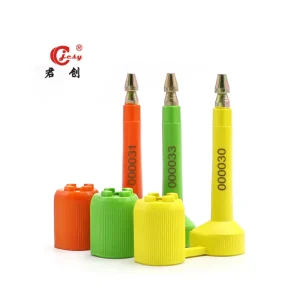
| Bolt Seals | Shipping containers, high-value cargo | High | ISO 17712 compliant, robust steel construction |
| Cable Seals | Truck doors, rail cars, irregular packages | High | Flexible length, strong steel cable, tamper-evident |
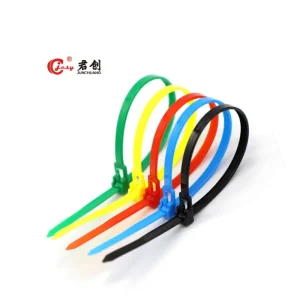
| Plastic Seals | Internal transfers, utility meters, airline trolleys | Medium | Cost-effective, numbered, easy application |
| Meter Seals | Utility meters (electricity, water, gas) | Medium | Clear tamper evidence, specialized design |
| Metal Strap Seals | Drums, chemical containers, bulk cargo | Medium | Durable metal, strong locking mechanism |
| Padlock Seals | Cabinets, storage units, small enclosures | Low-Medium | Simple, reusable options, numbered |
The selection process comes down to three questions: What are you protecting? What’s the realistic threat level? And what do your compliance requirements demand?
Shandong Junchuang Lock Industrial Co., Ltd. manufactures across this full spectrum. The diversity matters because logistics operations rarely face uniform security needs. A single company might need high-security bolt seals for ocean freight, cable seals for regional trucking, and plastic seals for warehouse inventory control.
What are the benefits of using high-security bolt seals in international shipping?
High-security bolt seals earn their place in international shipping through a combination of physical strength and regulatory acceptance. The steel construction resists casual tampering attempts, and ISO 17712 compliance means customs officials worldwide recognize them as meeting established security standards.
The practical benefits extend beyond theft prevention. C-TPAT participants need compliant seals to maintain their trusted shipper status. Containers with proper high-security bolt seals move through inspection queues faster because they signal that the shipper takes security seriously. When problems do occur, the robust tamper evidence these seals provide strengthens your position in claims and investigations.
Regulatory Compliance as a Business Advantage
Compliance requirements exist for good reasons, but they also create opportunities. Companies that meet ISO 17712 and C-TPAT standards don’t just avoid penalties—they gain competitive advantages that compound over time.
Insurance underwriters look favorably on documented security protocols. Customs agencies expedite shipments from trusted shippers. Business partners prefer working with companies that take supply chain integrity seriously. These benefits accumulate quietly but significantly.
Certified security seals serve as physical proof of your security commitment. Each seal carries documentation that auditors can verify. This audit trail matters when you’re defending your practices to regulators, insurers, or customers asking hard questions after an incident.
The manufacturing quality behind these seals determines whether the certification means anything in practice. A seal that meets standards on paper but fails in the field provides compliance without security—the worst possible combination.
Which security seal types are compliant with C-TPAT regulations for supply chain security?
C-TPAT regulations focus on international cargo entering the United States, and they specifically require high-security seals meeting ISO 17712 standards. High-security bolt seals are the most common choice, though certain Cable Seals also qualify when they meet the same standards.
The requirements go beyond the seal itself. Manufacturers must be verified, and the seals must demonstrate tamper-resistance features that leave clear evidence of interference. Companies seeking C-TPAT certification should verify that their seal supplier can provide documentation proving compliance—not just marketing claims, but actual certification records.
Operational Gains Beyond Loss Prevention
Security seals contribute to operations in ways that don’t show up in theft statistics. The discipline of consistent seal application creates checkpoints throughout your logistics process. Each seal number becomes a data point in your tracking system.
Inventory accuracy improves when every container, pallet, or package carries a unique seal identifier. Disputes over missing items become easier to resolve—either the seal was intact at handoff or it wasn’t. That binary clarity eliminates hours of finger-pointing between shipping partners.
Supply chain visibility increases naturally when seal records integrate with your tracking systems. You know not just where a shipment is, but whether it’s been opened since leaving your facility. This information helps identify problem points in your logistics network before they become chronic issues.
Brand protection follows from product integrity. Customers receiving tampered goods don’t distinguish between theft and quality control failures. Both damage trust. Consistent seal usage ensures that what leaves your facility arrives unchanged, protecting the customer experience you’ve worked to build.
What to Look for in a Security Seal Manufacturer
The seal itself is only as reliable as the company behind it. Manufacturing quality varies significantly across the industry, and the consequences of choosing poorly don’t appear until something goes wrong.
Product consistency matters more than most buyers realize. A seal that performs well in testing but varies batch to batch creates unpredictable security gaps. Look for manufacturers with documented quality control processes and the ability to provide consistent products over time.
Customization capability indicates manufacturing sophistication. Companies that can produce seals with your branding, specific numbering sequences, or modified designs for unusual applications demonstrate the engineering depth needed for reliable production.
Industry experience translates into practical knowledge about how seals perform in real conditions. Manufacturers who understand logistics operations can advise on seal selection, application techniques, and common failure points to avoid.
Shandong Junchuang Lock Industrial Co., Ltd. integrates design, development, production, and sales of security seals across the full range—lead seals, plastic seals, cable seals, meter seals, metal strap seals, and high-security bolt seals. This vertical integration means problems get solved faster and product improvements happen continuously.
Frequently Asked Questions About Logistics Security Seals
How do plastic seals contribute to inventory control and tamper evidence?
Plastic Seals fill a specific niche in security operations. They’re not meant to stop determined theft—their value lies in creating accountability for routine handling. Each seal carries a unique number that becomes part of your inventory record. When a package arrives with its seal intact, you have verification that no one opened it during transit.
For internal warehouse movements, airline trolley security, and local deliveries, plastic seals provide cost-effective tamper evidence. They deter casual pilferage because anyone opening a sealed container knows they’ll leave evidence. The low cost per unit makes it practical to seal items that wouldn’t justify the expense of high-security options.
What is the primary difference between a high-security bolt seal and a cable seal?
The fundamental distinction is rigidity versus flexibility. High-security bolt seals are rigid steel devices designed for standard container locking points. They meet ISO 17712 requirements for international shipping and provide maximum tamper resistance within their design constraints.
Cable Seals use flexible steel cables that can wrap around irregular shapes, thread through multiple locking points, or secure items where rigid seals won’t fit. This adaptability makes them valuable for truck doors, rail cars, and non-standard cargo configurations. Many cable seals also meet high-security standards, so the choice often comes down to physical fit rather than security level.
Why is choosing a reputable security seal manufacturer like Junchuang Lock Industry important?
Manufacturing quality directly determines whether your security seals perform as expected. A reputable manufacturer like Shandong Junchuang Lock Industrial Co., Ltd. maintains consistent production standards, provides verifiable compliance documentation, and stands behind products when questions arise.
The risks of choosing poorly include seals that fail prematurely, inconsistent numbering that complicates tracking, and compliance documentation that doesn’t hold up to regulatory scrutiny. These problems tend to surface at the worst possible times—during an audit, after a theft, or when a customer demands answers about a compromised shipment.
Strengthen Your Cargo Security Strategy
Supply chain security requires more than good intentions. It demands reliable tools, consistent processes, and partners who understand the stakes. Shandong Junchuang Lock Industrial Co., Ltd. brings manufacturing expertise across the full range of security seal solutions—from high-security bolt seals for international freight to specialized meter seals for utility applications.
Contact our team to discuss your specific logistics security requirements. We can help you select the right seal types, establish application protocols, and ensure your security measures meet regulatory standards.
Email: [email protected]
Mobile/Whatsapp: +86 13853189290