
Cable ties hold things together in ways most people never think about until something fails. I’ve seen bundled wiring come loose on a factory floor because someone grabbed whatever tie was closest without checking the rating. That single oversight cost a full shift of downtime. Tensile strength isn’t just a spec on a package—it’s the difference between a fastening that holds for years and one that gives way at the worst possible moment.
What Tensile Strength Actually Means for Cable Ties
Tensile strength measures the maximum pulling force a cable tie can handle before it snaps. Two related but distinct values matter here. Breaking strength refers to the force needed to fracture the tie material itself. Loop tensile strength measures the force required to break the tie when it’s formed into a closed loop, which reflects how the tie actually performs in use. A Nylon Cable Tie securing automotive wiring harnesses, for example, needs to meet specific loop tensile ratings because vibration constantly tugs at the connection. Heavy-duty applications demand higher breaking strength to handle substantial loads without risk of sudden failure. When a fastener gives way unexpectedly, the consequences range from minor inconvenience to serious safety hazards and significant financial losses.
What Determines How Much Force a Cable Tie Can Handle
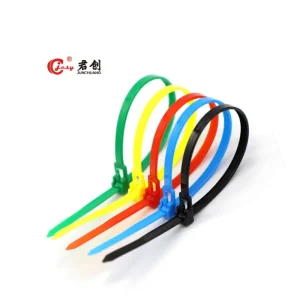
Material composition sits at the foundation of tensile performance. Nylon Cable Ties made from Nylon 6/6 deliver solid general-purpose strength suitable for most indoor applications. Polypropylene offers better chemical resistance when that’s the primary concern. Stainless Steel Cable Tie options provide superior strength along with resistance to extreme temperatures and corrosive environments where plastic simply won’t survive.
Design choices matter just as much as material selection. Wider and thicker ties naturally exhibit higher tensile strength because more material distributes the load. The locking mechanism—whether a standard pawl or a metal barb—affects how well the tie maintains tension under stress. Environmental exposure introduces another layer of complexity. UV radiation breaks down polymer chains over time. Temperature swings cause expansion and contraction that weaken the material. Chemical contact can accelerate degradation dramatically.
How Material and Environment Shape Tensile Performance
Polymer composition directly determines baseline tensile strength. Nylon 6/6 performs reliably in controlled environments, but outdoor installations require UV-stabilized cable ties to resist photodegradation. High temperature applications call for specialized polymers engineered to maintain structural integrity when heat would soften standard materials. Tie dimensions—width and thickness—directly correlate with load-bearing capacity. A tie twice as wide can generally handle roughly twice the load, though the relationship isn’t perfectly linear due to stress concentration at the locking head. Prolonged sunlight exposure, extreme cold, or chemical contact all degrade material properties, reducing the tie’s ability to withstand force over its service life.
Testing Standards That Verify Cable Tie Strength Claims
Reliable tensile strength ratings come from rigorous testing under controlled conditions. Organizations like UL and ASTM establish standardized testing methodologies that manufacturers must follow. Military specifications often impose even stricter requirements for applications where failure isn’t an option. These standards ensure consistent quality control across production batches and provide predictable performance data that engineers can trust. Certification from recognized testing bodies offers assurance that a product’s stated tensile strength reflects actual capability rather than optimistic marketing.
The Process Behind Tensile Strength Measurement
Testing follows a straightforward but precise protocol. A tensile testing machine grips the cable tie at both ends. The machine applies a controlled pulling force that increases at a steady rate. Force continues building until the tie breaks. The peak force recorded at the moment of failure becomes the breaking strength value. Loop pull tests evaluate strength when the tie forms a closed loop, which better represents real-world installation conditions. ASTM D4066 outlines common testing procedures for plastic materials used in cable tie manufacturing.
Matching Cable Tie Selection to Application Requirements
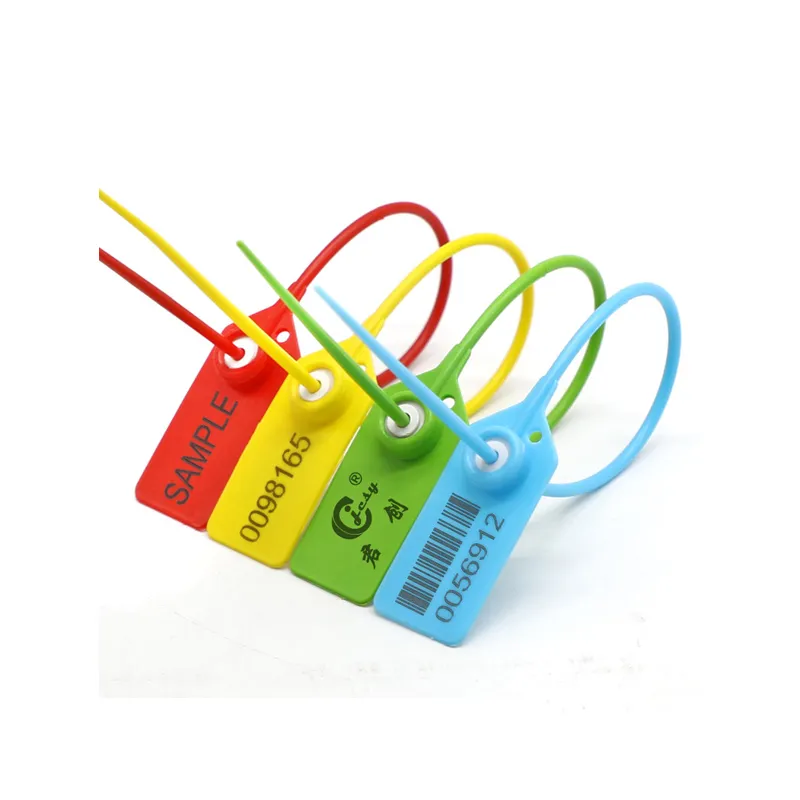
Choosing the right cable tie starts with understanding what the application actually demands. Calculate the required load capacity with some margin for safety—ties shouldn’t operate at their maximum rated strength during normal use. Assess environmental exposure carefully. Will the ties face UV radiation? What temperature range will they experience? Is chemical contact possible? These questions guide material selection. A Stainless Steel Cable Tie makes sense in marine environments or chemical processing facilities where corrosion resistance matters. Heavy duty cable ties handle substantial loads in industrial settings. Releasable cable ties offer flexibility for temporary installations but may carry different tensile ratings than permanent alternatives. Proper selection ensures long-term durability whether the application involves electrical installations, automotive assembly, aerospace components, or marine equipment.
Why Tensile Strength Knowledge Prevents Costly Failures
Incorrectly rated ties fail prematurely, sometimes with serious consequences. Equipment damage, production delays, and safety incidents all trace back to fasteners that couldn’t handle the actual loads they faced. Regulatory compliance in sectors like aerospace depends on documented tensile strength specifications. Proper selection optimizes performance while preventing failures that result in expensive downtime and repairs. Understanding these principles ensures seal integrity and overall security before problems develop rather than after.
Installation Practices That Preserve Tensile Strength
Even the best cable tie can fail prematurely if installed incorrectly. Over-tightening stresses the material at the locking head, creating a weak point that may fracture under loads well below the rated capacity. Consider ambient temperature during installation—cold materials are more brittle and may crack if forced. Factor in UV degradation potential when selecting materials for outdoor use. Regular inspection of installed cable ties catches early signs of wear, discoloration, or surface cracking before complete failure occurs. Replace any compromised ties promptly rather than waiting for them to give way during operation. These preventative measures maintain secure fastening throughout the intended service life.
Emerging Technologies in High-Strength Fastening
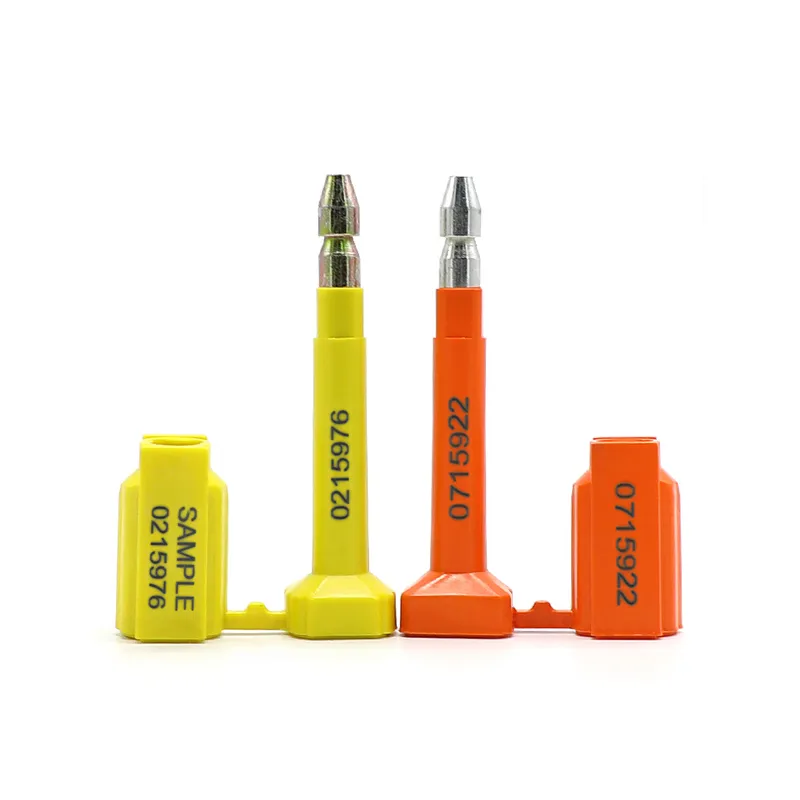
Fastening solutions continue advancing as new materials and designs reach the market. Emerging polymer formulations offer enhanced tensile strength combined with improved resistance to extreme conditions. Advanced plastic seals and Metal Cable Tie technology provide superior security and durability for demanding applications. Development work on smart fasteners with integrated sensors enables real-time monitoring of fastener integrity, alerting operators before failure occurs. High security bolt seals address growing demand for tamper-evident solutions that combine physical strength with visual security indicators across logistics, transportation, and industrial sectors.
Frequently Asked Questions About Cable Tie Tensile Strength
How long can a cable tie maintain its rated tensile strength?
Service life varies considerably based on material, environmental conditions, and manufacturing quality. High-quality Nylon Cable Ties maintain their strength for years in controlled indoor environments with stable temperatures and no chemical exposure. UV-stabilized formulations extend outdoor service life significantly but still degrade over time. Stainless steel ties last decades in conditions that would destroy plastic alternatives within months. Regular inspection remains the most reliable way to verify continued performance regardless of material choice.
Do environmental conditions really affect cable tie strength that much?
Environmental factors can reduce tensile strength dramatically. UV radiation breaks polymer chains at the molecular level, causing surface cracking and brittleness that progresses inward over time. Extreme heat softens plastic materials, reducing their ability to hold tension. Extreme cold makes them brittle and prone to cracking under stress. Chemical exposure—even common substances like cleaning solvents or lubricants—can attack certain polymers and weaken them significantly. Humidity accelerates some degradation mechanisms. Vibration causes fatigue at stress concentration points. Application-specific material selection accounts for these factors before installation rather than discovering them through premature failure.
What options exist for applications requiring extreme tensile strength?
Heavy-duty nylon ties with wider straps and thicker profiles handle loads beyond standard tie ratings. Stainless steel cable ties offer the highest breaking strength along with heat resistance and chemical resistance that plastic cannot match. For critical security applications, high-security bolt seals and metal strap seals from manufacturers like Shandong Junchuang Lock Industry Co., Ltd provide maximum tensile integrity combined with tamper-evident features. These specialized options address requirements that standard cable ties simply cannot meet.
Secure Your Operations with Junchuang Lock Industry
For advanced industrial fastening and security solutions, trust Shandong Junchuang Lock Industry Co., Ltd. With decades of expertise in designing and manufacturing high-integrity seals, including plastic seals, cable seals, and high-security bolt seals, we ensure your assets are protected with unparalleled tensile strength and durability. Contact our specialists today to discuss your specific requirements and secure your operations. Mobile: +86 13853189290 | Email: [email protected] | Whatsapp: +86 13853189290