
Supply chain security often comes down to small details that most people overlook. Cable seals fall into that category. They’re simple devices, but when they fail or get compromised, the consequences ripple through entire logistics operations. The difference between a seal that holds up under real-world conditions and one that doesn’t usually traces back to the manufacturer’s certifications. These aren’t just pieces of paper for compliance files. They represent tested processes, verified materials, and production standards that determine whether your cargo arrives intact or becomes a liability.
Why Cable Seal Manufacturer Certifications Actually Matter
The global push for tighter supply chain security has made certified cable seal manufacturers more relevant than ever. When a manufacturer holds recognized certifications, their cable seals meet established benchmarks for tamper-evidence and durability. This matters because protecting valuable cargo, preventing theft, and maintaining logistics integrity depend on seals that perform consistently.
Customs agencies worldwide now mandate specific seal requirements. Cable seals from certified manufacturers pass these regulatory hurdles without creating bottlenecks at borders. The certifications confirm that cable seals perform reliably across temperature extremes, rough handling, and extended transit times. Without proper certifications backing your cable seals, compromise risk climbs significantly. Financial losses follow. Reputational damage tends to linger even longer.
International Standards That Define Cable Seal Quality
Several international standards govern cable seal production and performance. Among these, ISO 17712 carries particular weight for high-security bolt and cable seals. This standard establishes classification, acceptance, and withdrawal procedures for freight container mechanical seals. When a cable seal meets ISO 17712 requirements, it demonstrates verified resistance against various attack methods.
Other standards address different aspects of supply chain security. C-TPAT compliance matters for US-bound shipments. The ISPS code covers maritime transport security. EN 16942 addresses tamper-evident packaging broadly. ASTM F1972 sets additional testing parameters. Each standard contributes to the overall framework that certified cable seal manufacturers must navigate.
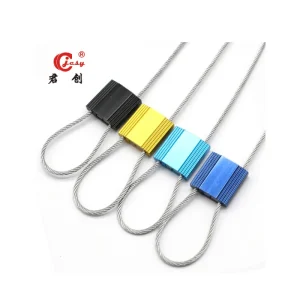
What certifications are essential for high-security cable seals?
ISO 17712 compliance stands as the absolute benchmark for high-security cable seals. This international standard classifies seals into three types: Indicative, Security, and High Security. Cable seals meeting the “H” (High Security) class undergo rigorous testing for tensile strength, shear strength, and tamper-evidence.
The testing protocols simulate real attack scenarios. A cable seal that passes these tests won’t give way to casual tampering attempts. For customs security applications, ISO 17712 certified cable seals provide the highest protection level against unauthorized access. Choosing cable seals with this certification means adhering to globally recognized security protocols rather than hoping for the best.
Key Security Seal Standards Compared
| Standard | Primary Focus | Application | Security Level |
|---|---|---|---|
| ISO 17712 | Mechanical Seals | Freight Containers | High Security |
| C-TPAT | Supply Chain Security | US Imports | Risk Management |
| ISPS Code | Ship & Port Facility Security | Maritime Transport | Enhanced Security |
| EN 16942 | Tamper Evident Packaging | General Packaging | Various |
Quality Management Systems Behind Reliable Cable Seals
A solid quality management system forms the foundation for any certified cable seal manufacturer. ISO 9001 certification represents the globally recognized standard for quality management, ensuring consistent product quality and process control throughout cable seal production.
This system requires documented procedures, regular audits, and continuous improvement. Manufacturing reliable cable seals demands this level of systematic attention. When you audit cable seal manufacturers for ISO 9001 compliance, you’re verifying that their production processes meet international quality benchmarks.
Comprehensive quality management often extends to material certifications and environmental standards. This holistic approach to quality translates directly into enhanced seal integrity testing and superior cable seal performance. The cables resist corrosion because the materials undergo verification before production begins. The locking mechanisms function consistently because assembly processes follow documented procedures.
Why is ISO 9001 important for a cable seal supplier?
ISO 9001 certification demonstrates commitment to consistent quality and customer satisfaction. The certification ensures manufacturing processes are standardized, which reduces defects and improves cable seal reliability.
For procurement specialists, this certification translates to cable seals that perform as expected shipment after shipment. A certified cable seal supplier proves their capability to consistently meet regulatory and customer requirements. In the security industry, this consistency isn’t optional. One failed cable seal can compromise an entire container’s contents.
If you’re interested in learning more about the essential security measures for utility and measurement devices, check out 《Meter Lead Seals: Essential Security for Utility and Measurement Devices》.
How Certifications Build Supply Chain Trust
Manufacturer certifications enhance supply chain security and build trust among everyone involved. Certified manufacturers produce tamper-evident cable seals that actively deter and detect unauthorized access. This proactive approach to risk management minimizes vulnerabilities throughout logistics operations.
The benefits extend across multiple dimensions. Cargo theft prevention improves because certified cable seals resist common bypass techniques. Regulatory compliance becomes straightforward because the seals already meet required standards. Brand reputation stays protected because compromised shipments become rare rather than routine.
Partnering with a certified cable seal manufacturer means working with a provider whose products have undergone rigorous testing and verification. This commitment to quality and security builds confidence across the entire supply chain, from warehouse loading docks to final delivery points.
How do manufacturer certifications impact supply chain security?
Certifications directly strengthen supply chain security by ensuring cable seals meet predefined strength and tamper-evidence criteria. Certified cable seals prove harder to compromise without leaving visible evidence, which reduces cargo theft risk and unauthorized tampering incidents.
The certifications establish a robust security posture throughout logistics operations. They provide verifiable proof of integrity that satisfies customs officials and insurance underwriters alike. Smoother customs clearance follows naturally when cable seals carry recognized certifications.
Risks with Uncertified vs. Certified Cable Seals
| Feature | Uncertified Seals | Certified Cable Seals |
|---|---|---|
| Tamper Evidence | Unreliable, easily compromised | High, difficult to bypass |
| Regulatory Compliance | Non-compliant, potential fines | Fully compliant, smooth operations |
| Cargo Theft Risk | High, increased vulnerability | Low, strong deterrent |
| Supply Chain Trust | Low, uncertainty | High, assured integrity |
| Product Quality | Inconsistent, unpredictable | Consistent, rigorously tested |
Selecting the Right Certified Cable Seal Partner
Choosing a certified cable seal partner requires attention to several key factors. Start by verifying adherence to relevant international standards. ISO 17712 matters for high-security cable seals. ISO 9001 confirms quality management practices.
Request documentation for all certifications and consider conducting direct audits of cable seal manufacturers. This assessment reveals how quality management systems actually function in production facilities. Look for manufacturers demonstrating transparency and commitment to continuous improvement.
Reputable certification bodies maintain public databases where you can cross-reference certificate numbers. This verification step catches fraudulent claims before they become your problem. Prioritizing cable seal compliance and manufacturer quality standards protects your assets effectively.
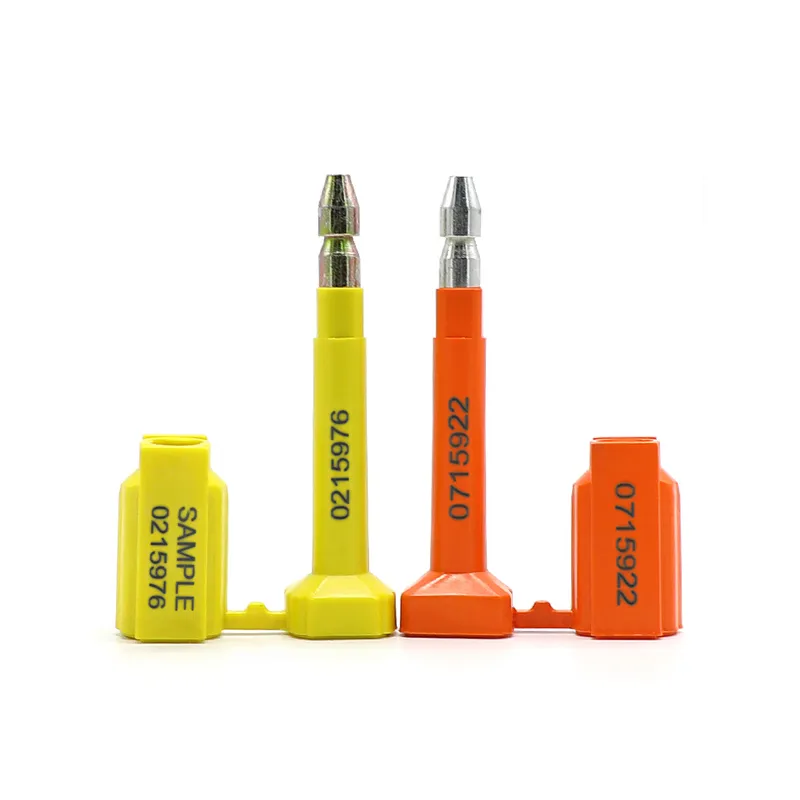
Certified Cable Seal Manufacturer Selection Checklist
- ISO 17712 Certification: Verify for high-security cable seal applications.
- ISO 9001 Certification: Confirm robust quality management systems.
- C-TPAT Compliance: Essential for US-bound shipments.
- Third-Party Audit Reports: Request and review independent assessments.
- Traceability Systems: Ensure cable seals can be tracked throughout their lifecycle.
- Customization Capabilities: Assess ability to meet specific security needs.
- Material Quality Certifications: Confirm use of durable, tamper-resistant materials.
Partner with Shandong Junchuang Lock Industrial Co., Ltd for Certified Security Solutions
Ensure the integrity and security of your supply chain with certified cable seals from Shandong Junchuang Lock Industrial Co., Ltd. As a professional manufacturer with a steadfast commitment to quality and compliance, we integrate design, development, and production to deliver high-security sealing solutions. Contact us today for a consultation on your specific security seal requirements and discover how our certified cable seals can safeguard your assets and streamline your operations. Reach out via Mobile: +86 13853189290, Email: [email protected], or Whatsapp: +86 13853189290.
Frequently Asked Questions About Cable Seal Certifications
What is the primary purpose of ISO 17712 certification for cable seals?
ISO 17712 establishes uniform procedures for classifying, accepting, and withdrawing freight container mechanical seals. For cable seals, this certification confirms they meet rigorous standards for strength, tamper-evidence, and durability against various attack methods. The standard specifically addresses high-security applications in shipping and customs operations. Cable seals carrying this certification provide verified protection for maintaining supply chain integrity.
How can I verify a cable seal manufacturer’s certifications?
Request copies of current certification documents including ISO 9001, ISO 17712, and C-TPAT compliance letters. Reputable certification bodies maintain public databases where you can cross-reference certificate numbers against manufacturer claims. Conducting a thorough audit of the manufacturer’s quality management systems and production processes provides additional assurance. Always look for official documentation and third-party validation rather than accepting claims at face value.
Are there environmental certifications relevant to cable seal manufacturing?
ISO 14001 certification for Environmental Management Systems has become increasingly relevant for cable seal manufacturers. While not directly related to security performance, this certification demonstrates commitment to sustainable practices, waste reduction, and environmental responsibility in production processes. For procurement specialists, choosing a cable seal manufacturer with environmental certifications can align with corporate social responsibility goals and contribute to greener supply chain operations.