
Global supply chains live or die by their weakest link, and a compromised security seal can unravel months of careful logistics planning. When bolt seals fail, the consequences ripple outward: lost cargo, insurance claims, regulatory scrutiny, and damaged client relationships. A proper factory audit catches problems before they reach your shipping containers.
Why Bolt Seal Manufacturing Standards Matter
Reliable bolt seals start with established manufacturing standards. ISO 17712 compliance serves as the baseline for all high-security bolt seals. This international standard specifies uniform procedures for classification, acceptance, and withdrawal of mechanical freight container seals. Understanding C-TPAT security seals requirements becomes necessary for cross-border trade, ensuring seals meet stringent security criteria. These bolt seal specifications dictate material strength, tamper-evident features, and unique identification. Implementing robust quality assurance protocols from design to delivery guarantees product consistency and performance.
| ISO 17712 Requirement | Description |
|---|---|
| Classification | High-security (H), Security (S), Indicative (I) seal categories |
| Tensile Strength | Minimum force requirements for seal body and locking mechanism |
| Impact Resistance | Ability to withstand physical shock without compromising integrity |
| Marking Requirements | Unique serial numbers, manufacturer identification, security rating |
| Testing Protocols | Standardized procedures for strength and tamper-evidence verification |
What Auditors Actually Check on the Production Floor
A thorough manufacturing audit involves examining several critical checkpoints. Auditors verify that the factory implements a robust security seal inspection checklist throughout the production line. This includes validating raw material certificates and inspecting finished products for consistent tamper evident features. Auditors also check for correct numbering, proper branding, and overall structural integrity. Each step ensures the final product meets both international standards and client expectations for security.
Raw Material Verification and Traceability Protocols
The quality of a bolt seal begins with its raw materials. Audits emphasize rigorous raw material inspection and verification. Suppliers must provide materials meeting specified mechanical and chemical properties, which determine the seal’s strength. Robust supply chain traceability protocols allow tracking each component back to its origin. This ensures accountability and facilitates swift action if any material defects arise. All materials must have valid material certification, confirming their compliance with industry standards. This comprehensive component quality control prevents weak points in the final product.
How ISO 17712 Shapes the Audit Process
ISO 17712 significantly influences bolt seal factory audits, particularly concerning material and process checks. This standard mandates specific ISO 17712 testing requirements for high-security seals, including tensile strength and impact resistance. Auditors verify that manufacturers conduct these tests regularly and maintain detailed records. Compliance ensures that the high security bolt seals standards are met, providing reliable tamper evidence. Seal strength verification during audits confirms seals withstand attempts at unauthorized removal without leaving obvious signs of tampering.
If you’re interested, check 《Meter Lead Seals Essential Security for Utility and Measurement Devices》.
Production Process and Quality Control Measures
The production process for bolt seals requires stringent quality control points to maintain consistency and security. Audits meticulously review the entire manufacturing line, from molding to assembly. A detailed manufacturing audit checklist assesses each stage. This includes inspecting machinery calibration, operator training, and adherence to standard operating procedures. Production line inspection ensures that every bolt seal is manufactured to precise specifications. Process validation records confirm that the manufacturing methods consistently produce compliant seals.
| Feature | Manual QC Checks | Automated QC Checks |
|---|---|---|
| Speed | Slower, dependent on human operators | Rapid, high-volume inspection |
| Consistency | Variable, prone to human error | Highly consistent, repeatable |
| Data Collection | Manual logging, potential for errors | Automatic data capture, real-time analytics |
| Cost (Initial) | Lower | Higher |
| Cost (Long-term) | Higher due to labor and potential rework | Lower due to efficiency and reduced errors |
| Detection Capability | Limited to visual and basic physical checks | Advanced detection of micro-defects, dimensional accuracy |
Testing Procedures and Performance Validation
Rigorous testing validates the performance of bolt seals. Various bolt seal testing methods ensure durability and tamper resistance. Destructive testing includes tensile strength and shear resistance tests, which simulate forced entry attempts. Non-destructive testing, like visual inspections and dimensional checks, verifies manufacturing consistency. The goal is comprehensive tamper evident seals validation, confirming the seals perform as intended in real-world conditions. These procedures ensure the seals provide robust protection against unauthorized access.
Packaging Logistics and Security Protocols
The final stage of a bolt seal’s journey involves secure packaging and logistics. Audits extend to these areas, ensuring that seals maintain their integrity post-production. Secure packaging solutions prevent tampering during transit and storage. This includes verifying tamper-evident packaging and proper labeling. Logistics security seals are often applied to the packaging itself, adding another layer of protection. Protocols for inventory management and shipping ensure shipping integrity and prevent unauthorized substitution. These measures reinforce anti tampering packaging strategies, ensuring seals reach customers securely.
Strengthen Your Supply Chain Security with Junchuang Lock Industrial Co., Ltd
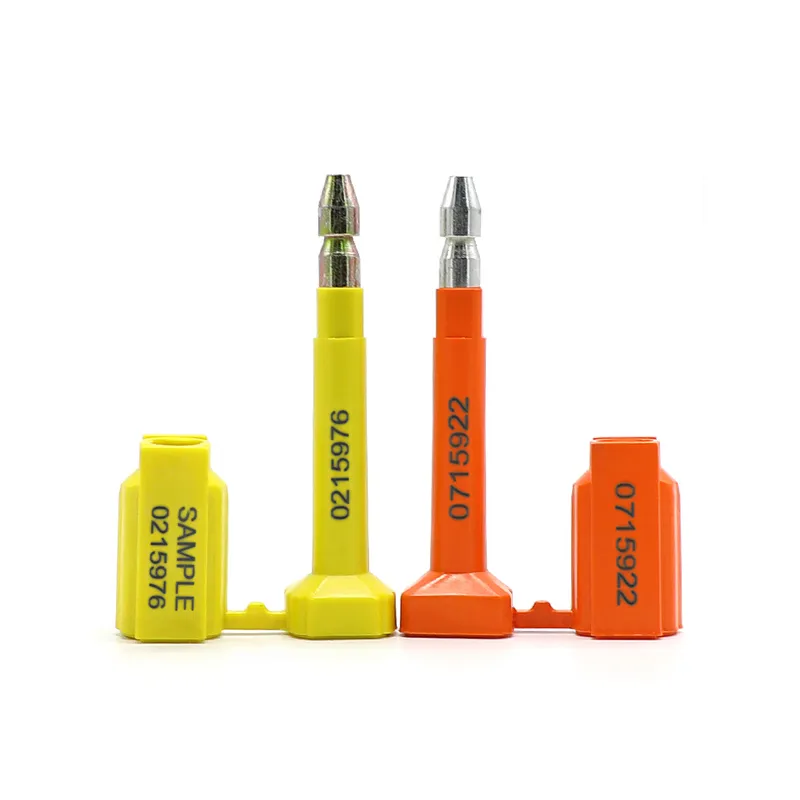
Ensure the highest standards of security and compliance for your global supply chain. Shandong Province Qingyun County Junchuang Lock Industrial Co., Ltd specializes in designing, developing, and manufacturing high-security bolt seals, plastic seals, cable seals, and metal strap seals that meet stringent international requirements. Partner with us for unparalleled quality and reliability. Contact us today for a consultation or to discuss your specific security sealing needs. Mobile: +86 13853189290 | Email: [email protected] | Whatsapp: +86 13853189290
Frequently Asked Questions About Bolt Seal Audits
What common non-conformities are found during bolt seal factory inspections?
Common non-conformities often include deviations from ISO 17712 requirements, such as insufficient tensile strength or improper marking. Material inconsistencies that compromise seal integrity appear frequently. Other common non-conformities involve inadequate quality control documentation or discrepancies in bolt seal inspections records. Addressing these quality deviations remains critical for maintaining product reliability and security.
How frequently should a bolt seal factory audit be conducted?
The frequency of bolt seal factory audits depends on several factors, including supplier performance and risk assessment. Regular factory audits at least annually work well for critical suppliers. For new suppliers or those with previous non-conformities, a more frequent audit frequency makes sense. Implementing a risk-based auditing schedule helps prioritize inspections, ensuring a robust supplier assessment schedule that mitigates potential security risks effectively.
What documentation is essential for a comprehensive bolt seal factory audit?
Essential documentation includes raw material certificates, production records, and quality control checklists. Detailed process control documents, equipment calibration logs, and employee training records round out the requirements. Material certificates and final product test reports verify compliance. This extensive audit documentation ensures full traceability and accountability throughout the manufacturing process, supporting thorough quality records.
Can a bolt seal factory audit improve overall supply chain security?
Yes, a bolt seal factory audit significantly improves overall supply chain security. By verifying manufacturing processes and product quality, audits ensure the deployment of enhanced security seals. This directly contributes to risk mitigation against tampering and theft. The audit process reinforces the importance of tamper evidence benefits, providing greater confidence in the integrity of goods in transit. It strengthens the entire security chain, leading to a more secure supply chain.