
Global shipping faces a constant battle against cargo theft and tampering. Securing containers during transit isn’t just good practice for shipping companies—it’s survival. The right security measures make the difference between cargo arriving intact and facing significant losses. High-security bolt seals stand as the primary defense line, protecting shipments and building the kind of supply chain resilience that keeps operations running smoothly.
Why High Security Bolt Seals Matter in Maritime Logistics
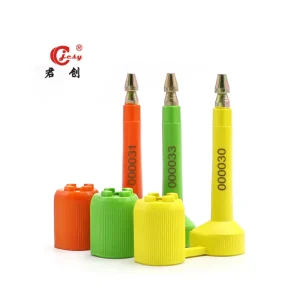
Supply chains have become targets for increasingly clever tampering and theft schemes. The fallout from these incidents hits hard: financial losses pile up, reputations suffer, and operations grind to a halt. High security bolt seals exist precisely to counter these threats. They create a physical barrier that stops unauthorized access cold and leaves obvious evidence when someone tries to breach them.
Reliable cargo integrity measures form the backbone of effective maritime security. Well-designed high security bolt seals handle harsh environmental conditions and shrug off common tampering techniques. This durability keeps containers secure from loading dock to final destination. Strong seals translate directly into stronger supply chain resilience by cutting the risks that come with compromised cargo. The logistics environment grows more complex each year, and dependable security solutions have become non-negotiable.
ISO 17712 Compliance and International Shipping Standards
Meeting ISO 17712 standards isn’t optional for international shipping—it’s mandatory. These standards sort mechanical seals by security level, and that classification directly affects customs clearance and insurance coverage. Shipping companies need seals that hit these specifications or risk disrupting their entire global trade operation. Using non-compliant seals invites delays, penalties, and heightened security exposure.
ISO 17712 breaks mechanical seals into three categories: “H” for High Security, “S” for Security, and “I” for Indicative. The “H” classification seals are what international freight containers require. These undergo rigorous testing against manipulation attempts and forced entry. Following these standards, along with programs like C-TPAT certification, keeps freight security solutions effective and global trade moving efficiently.
What ISO 17712 Demands from High Security Bolt Seals
ISO 17712 lays out specific testing protocols and material requirements. High security bolt seals must withstand defined tensile, shear, and bending forces without giving way too soon. The standard also requires unique identification features—laser-etched serial numbers being the most common—to strengthen tamper evidence and traceability. Meeting these seal testing standards consistently takes serious commitment to quality.
Why Certified Bolt Seals Keep Global Trade Moving
The consequences of non-compliant seals stack up quickly. Shipments get flagged for extended customs inspections, racking up delays and demurrage charges. Fines follow, and in serious cases, authorities seize cargo entirely. Certified seals represent a fundamental piece of supply chain risk management, protecting against both financial hits and reputation damage.
For further insights into securing your utility and measurement devices, you might find our article on 《Meter Lead Seals: Essential Security for Utility and Measurement Devices》 particularly informative.
Advanced Features and Design for Optimal Cargo Protection
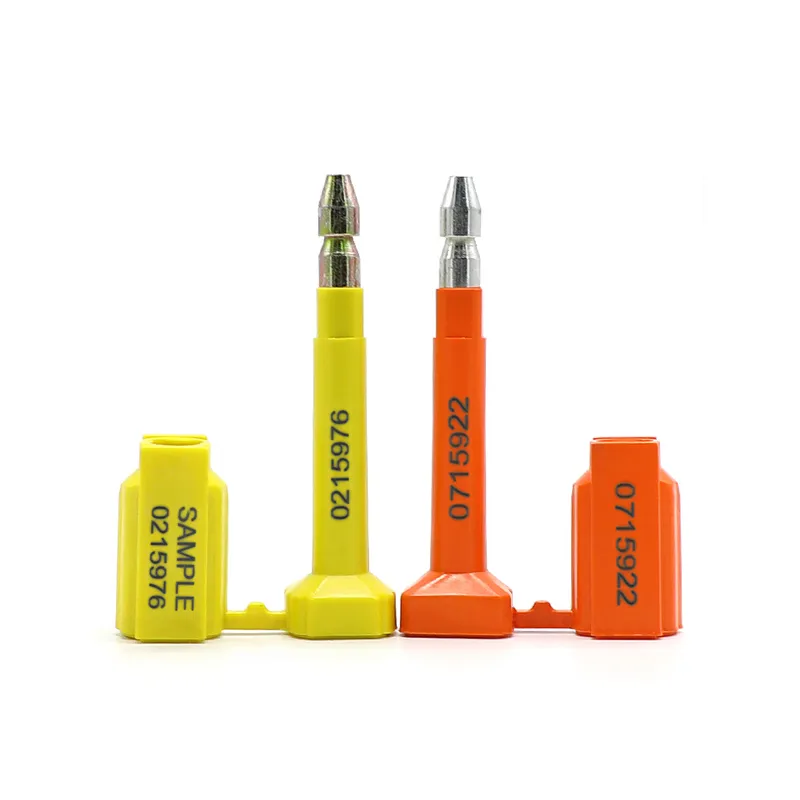
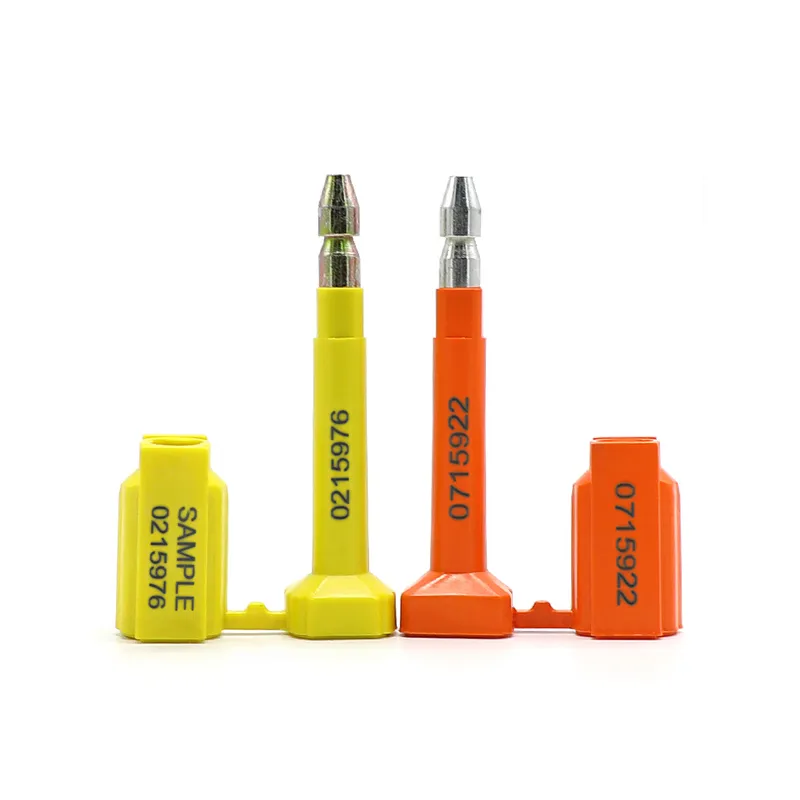
Modern high security bolt seals pack in features that push cargo protection further. Anti-spin mechanisms stop tampering attempts that rely on rotating seal components. Laser etching makes serial numbers and barcodes permanent and impossible to alter. These details strengthen traceability and accountability at every point in the shipping process.
Robust materials and smart design choices maximize security in bolt seal construction. Hardened steel pins paired with high-impact plastic bodies create seals that resist attack. Sequential numbering on each seal builds a clear audit trail, making replacement or duplication by unauthorized parties extremely difficult. These container locking mechanisms stand up to various attack methods while maintaining shipment integrity.
| Feature | Material/Mechanism | Security Benefit |
|---|---|---|
| Anti-Spin Mechanism | Hardened steel pin with plastic body | Prevents rotation-based tampering |
| Laser Etching | Permanent marking | Ensures unique serial numbers are indelible |
| Sequential Numbering | Unique, non-repeating digits | Provides clear traceability and audit trail |
| High-Impact Casing | ABS plastic | Resists physical force and environmental stress |
| Tamper-Evident Design | Visible deformation on breach | Clearly indicates unauthorized access |
Strategic Procurement and Choosing the Right Bolt Seal Manufacturer
Picking the right bolt seal supplier shapes security outcomes for shipping companies. Quality control and production capacity matter most when evaluating manufacturers. Consistent supply of reliable security solutions depends on these factors. Customization options that match specific operational requirements add another layer of value.
A manufacturer’s track record and after-sales support deserve equal attention. Reputable manufacturers provide clear certification documentation and stand behind their products. Technical assistance and prompt issue resolution should come standard. The goal is finding a partner who treats your logistics security as seriously as you do.
What to Look for in Wholesale Bolt Seal Procurement
Several factors deserve close examination when sourcing wholesale security seals. Material quality determines how well seals resist tampering and environmental stress. Production lead times affect operational efficiency and can create supply chain headaches if they slip. Customization capabilities—company logos, specific numbering sequences—boost brand visibility and security simultaneously. Certification validity should always be current and verifiable.
Implementing Bolt Seals for Better Supply Chain Visibility
Proper bolt seal implementation unlocks their full security potential and improves supply chain visibility. This means careful application procedures, thorough documentation, and smooth integration with tracking systems. Each Shipping Container Bolt Seal needs its unique serial number recorded at application and verified at receipt.
This systematic approach creates a complete audit trail that strengthens logistics security solutions and accountability. Any mismatch in seal status or number raises an immediate red flag, triggering rapid response. Effective seal management protocols contribute directly to cargo tracking and overall supply chain integrity.
Secure Your Global Shipments with Junchuang Lock Industrial Co., Ltd.
As a leading manufacturer of high security bolt seals, Shandong Province Qingyun County Junchuang Lock Industrial Co., Ltd is committed to providing shipping companies with ISO 17712 compliant, robust, and reliable security solutions. Protect your cargo, ensure compliance, and enhance your supply chain integrity with our expertly engineered bolt seals. Contact us today for a consultation or to discuss your wholesale requirements. Mobile: +86 13853189290 | Email: [email protected] | Whatsapp: +86 13853189290
Frequently Asked Questions About Wholesale Bolt Seals
What are the ISO standards for high security bolt seals and why are they crucial for shipping?
ISO 17712 is the international standard for mechanical seals, defining classifications (H for High Security, S for Security, I for Indicative) and testing procedures. For shipping companies, ISO 17712 compliant high security bolt seals are crucial as they are mandated by customs authorities (e.g., C-TPAT in the US) to secure international freight, preventing tampering and ensuring cargo integrity throughout the global supply chain. Non-compliance can lead to shipment delays, penalties, and increased security risks.
How do bolt seals prevent theft and ensure cargo integrity in global logistics?
High security bolt seals act as a critical physical barrier, designed to withstand significant force and deter unauthorized access to containers. Their unique serial numbers, often laser-etched, provide tamper-evident security and traceability. If a seal is broken or replaced, it indicates potential tampering, alerting shipping companies and authorities to a security breach, thereby ensuring cargo integrity and accountability across the logistics chain.
What factors should shipping companies consider when selecting a reliable bolt seal supplier?
When selecting a wholesale bolt seal supplier, shipping companies should prioritize ISO 17712 certification, ensuring the seals meet global security standards. Other critical factors include the manufacturer’s reputation for quality control, production capacity to meet demand, customization options (e.g., company logo, specific numbering), competitive pricing, and reliable customer service. A reputable supplier like Shandong Junchuang Lock Industrial Co., Ltd provides transparent certification, consistent product quality, and robust support.
Can wholesale bolt seals be customized for specific shipping company needs?
Yes, reputable wholesale bolt seal manufacturers often offer extensive customization options. This includes imprinting company logos, unique sequential numbering, barcodes, and even specific color coding. Customization enhances brand visibility, streamlines inventory management, and further strengthens the tamper-evident nature of the high security bolt seals, making them more difficult to counterfeit or replace.