
Securing global supply chains starts with choosing the right high security bolt seals. These seals do more than close a container—they stand between your cargo and anyone who shouldn’t be touching it. Getting the selection wrong means vulnerabilities you won’t see until something goes missing. This piece walks through ISO 17712 compliance, what separates good manufacturers from adequate ones, and how to evaluate providers when the stakes are high.
ISO 17712 Compliance and Why It Actually Matters
ISO 17712 sets the international benchmark for mechanical security seals on intermodal freight containers. A seal carrying this certification has survived testing designed to expose weaknesses—resistance to tampering, manipulation attempts, and forced removal all get measured. The standard splits seals into three tiers: “Indicative,” “Security,” and “High Security.” Container applications demand the top tier. High security seals must hit specific thresholds for tensile strength, shear strength, and bending resistance.
The compliance question goes deeper than product specs. Customs authorities globally—including C-TPAT programs in the United States—require ISO 17712 compliant seals for international shipments. This creates a baseline protection level against theft and terrorism that crosses borders consistently. Shipments arriving without proper certification face delays, additional inspections, or outright rejection. The financial and operational costs add up fast. For international logistics operations, ISO 17712 compliance isn’t optional—it’s the price of admission.
Evaluating Bolt Seal Manufacturers
Assessing Bolt Seals manufacturers takes a structured approach. Reliability and product quality show up in specific, measurable ways: adherence to international standards, material choices, manufacturing discipline, and how they handle problems when they arise. A manufacturer’s track record for innovation and consistent output matters as much as any single product feature.
| Criteria | Description | Importance Level |
|---|---|---|
| ISO 17712 Certification | Proof of independent testing for high security seals. | Critical |
| Material Strength | Quality of steel and ABS plastic for durability and tamper resistance. | High |
| Customization Options | Ability to add logos, serial numbers, and barcodes. | Moderate |
| Production Capacity | Manufacturer’s capability to meet large volume orders consistently. | High |
| After-Sales Support | Responsiveness and assistance with product issues or technical queries. | Moderate |
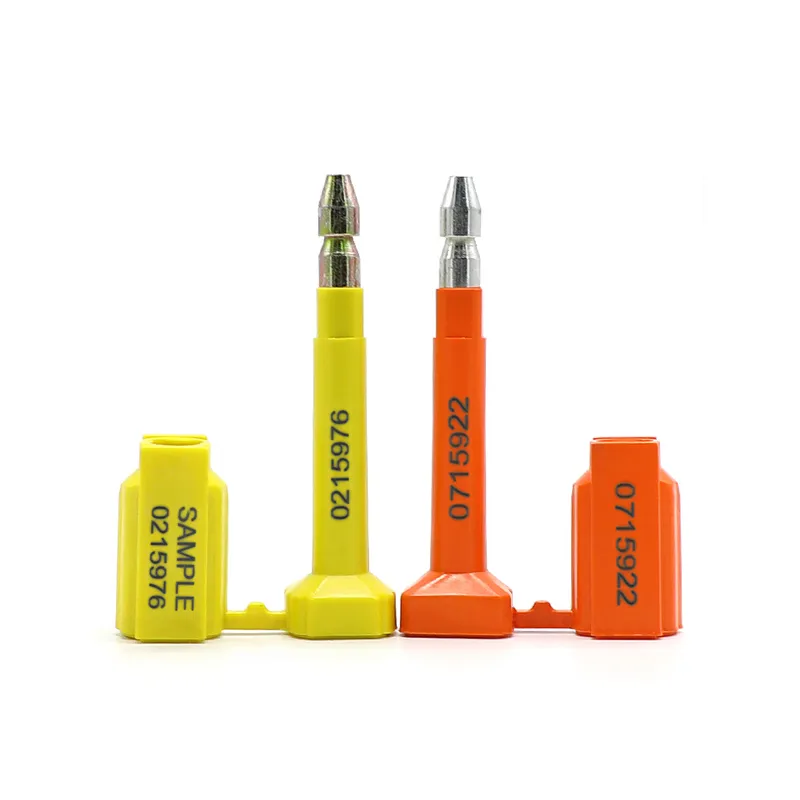
Certifications That Signal a Trustworthy Manufacturer
ISO 17712 certification comes first—it confirms independent testing verified the seal meets high-security strength and tamper evidence requirements. ISO 9001 certification adds another layer, showing the manufacturer maintains quality management systems across their operations. For shipments entering the United States, C-TPAT compliance indicates the manufacturer follows robust supply chain security practices. These certifications together provide reasonable confidence in product reliability and regulatory standing.
Comparing Leading ISO 17712 Bolt Seal Providers
All ISO 17712 compliant manufacturers meet baseline tensile strength requirements. The differences show up elsewhere: design features, material compositions, anti-tampering technologies. Some manufacturers focus on customization—advanced laser marking, specific color schemes for different routes or clients. Others invest in environmental sustainability throughout production. These distinctions matter when matching a provider to specific operational requirements.
For related security applications, meter and lead seals serve similar protective functions in utility and measurement contexts. More on that topic appears in 《Meter Lead Seals: Essential Security for Utility and Measurement Devices》.
Where Manufacturers Distinguish Themselves
Beyond basic compliance, manufacturers separate themselves through design refinements. Anti-spin mechanisms prevent manipulation of the bolt head—a common tampering approach. Material composition varies significantly; specialized steel alloys and reinforced ABS plastic affect both durability and cutting resistance. Serial numbering systems and barcoding implementations differ in sophistication, impacting traceability and audit capabilities. These details determine how well a seal performs against determined tampering attempts.
Technology Advances in High Security Bolt Seals
Bolt seal technology keeps evolving as tampering methods grow more sophisticated. Integrated RFID capabilities now enable electronic tracking and authentication, adding real-time visibility to physical security. Smart seals with environmental sensors can detect breaches and transmit alerts immediately. Material science improvements produce seals that resist cutting tools more effectively than previous generations. The goal remains consistent: stay ahead of the people trying to defeat these seals.
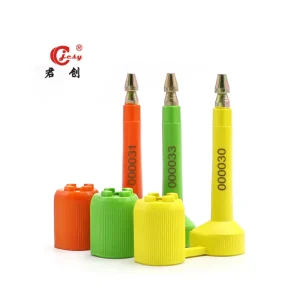
Finding the Right ISO 17712 Bolt Seal Partner
Choosing a bolt seal partner means thinking beyond individual purchases. The right partner understands your operational context and can adapt solutions accordingly. Supply consistency matters—especially for organizations running large-scale or international operations where running short creates immediate problems. A solid partner provides compliant products alongside practical guidance on procurement and overall supply chain security. This relationship pays dividends over time through sustained security and smoother operations.
Vetting Potential Suppliers
Start with ISO 17712 certification verification through independent third-party documentation. Factory audits reveal manufacturing quality controls and actual production capabilities—what you see on paper doesn’t always match reality. Sample testing confirms durability and tamper resistance under conditions that matter to your operations. Customer references and industry reputation round out the picture. This process takes time but prevents costly mistakes.
Enhance Your Supply Chain Security Today
Ensure unparalleled security for your global shipments with ISO 17712 compliant bolt seals. Shandong Junchuang Lock Industry Co., Ltd. offers a comprehensive range of high-security solutions, engineered for reliability and peace of mind. Contact us today for expert consultation and custom sealing solutions. Mobile: +86 13853189290 | Email: [email protected] | Whatsapp: +86 13853189290
FAQ
Q: What is the primary purpose of an ISO 17712 compliant bolt seal?
A: An ISO 17712 compliant bolt seal provides a high-security, tamper-evident barrier for intermodal containers and freight. It deters unauthorized access and shows evidence of tampering attempts. This compliance level is required for international shipping and customs clearance, protecting supply chain integrity throughout transit.
Q: How does Shandong Junchuang Lock Industrial Co., Ltd. ensure ISO 17712 compliance?
A: Shandong Junchuang Lock Industrial Co., Ltd. maintains ISO 17712 compliance through controlled design, material selection, and manufacturing processes. Our ISO 17712 High Security Seal products undergo independent testing to meet or exceed standard requirements for tensile strength, shear strength, and tamper evidence. This delivers reliable Container Bolt Seal security.
Q: Can I get customized ISO 17712 bolt seals for my specific logistics needs?
A: Yes, Shandong Junchuang Lock Industrial Co., Ltd. provides customized ISO 17712 bolt seals with various options including company logos, serial numbering, and barcoding. These customizations address specific branding and tracking requirements for freight security and C-TPAT bolt seals applications.
Q: What are the benefits of using high security bolt seals over other types of seals?
A: High security bolt seals meeting ISO 17712 standards offer substantially better protection against theft and tampering than plastic or wire alternatives. Their construction requires specialized tools for removal, making unauthorized access difficult and time-consuming. This provides stronger container security for valuable cargo shipments.